
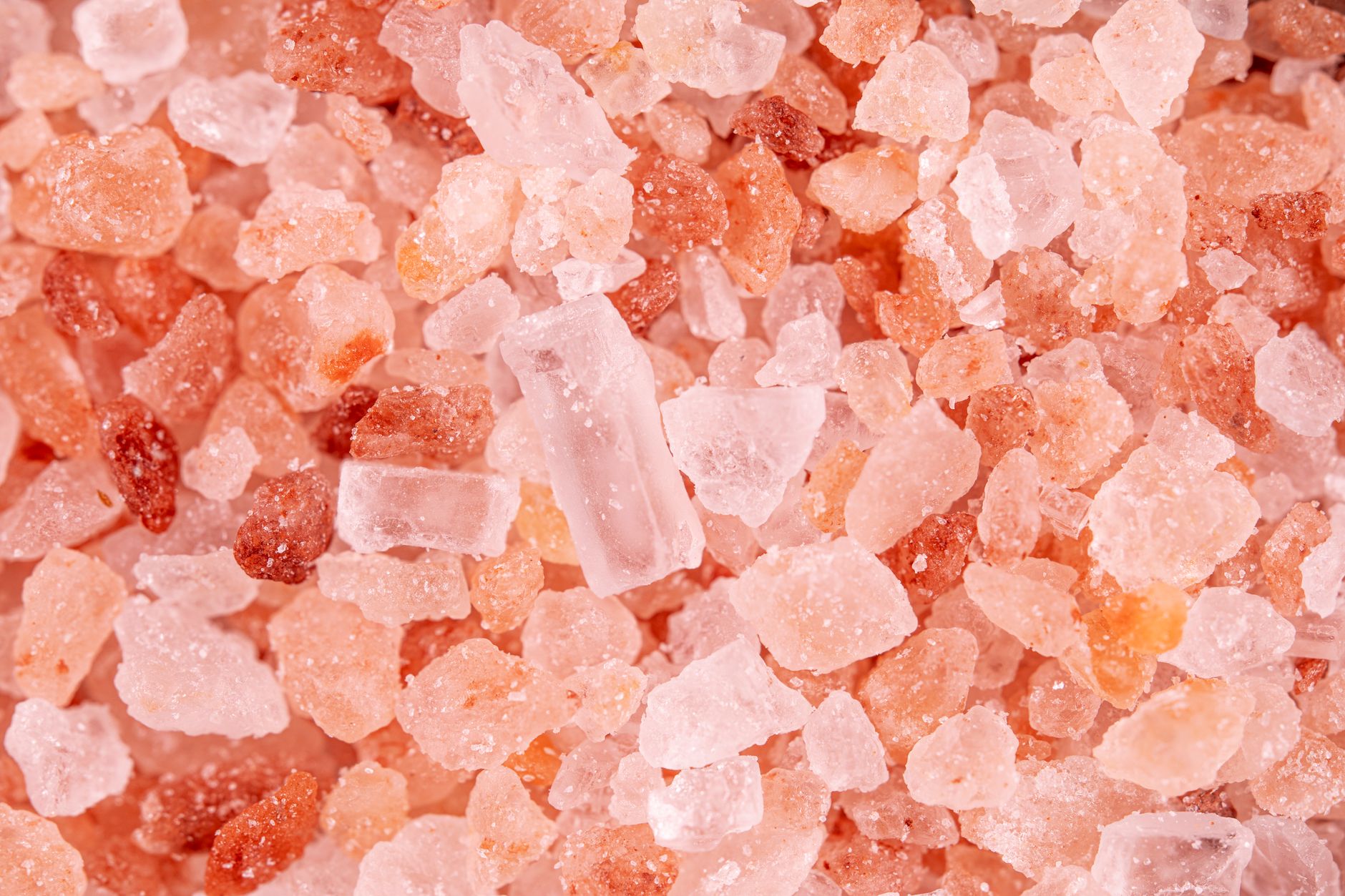
Himalayan salt is a popular choice among home cooks and chefs alike. Renowned for its striking pink color and potential health benefits, many wonder about its longevity. Can Himalayan salt go bad? In this article, we will explore the shelf life of Himalayan salt, how to properly store it, and signs of spoilage, ensuring you make the best use of this ancient mineral.
Salt, including Himalayan salt, has natural preservative qualities and can last indefinitely under proper storage conditions. However, there are nuances to consider regarding how Himalayan salt is stored and what can affect its quality over time.
Can Himalayan Salt Go Bad?
Himalayan salt does not spoil in the traditional sense like perishable food items. However, it can be affected by moisture and contaminants, which may impact its appearance and flavor. The good news is that with the right storage practices, Himalayan salt can last for years. Generally, if kept in a dry, airtight environment, Himalayan salt can be used indefinitely.
What Affects the Shelf Life of Himalayan Salt?
Several factors can influence the lifespan and quality of Himalayan salt:
- Moisture: Salt is hygroscopic, meaning it can absorb moisture from the air. If Himalayan salt becomes wet, it may clump together and decrease in quality.
- Contaminants: If the salt comes into contact with other food items, oils, or impurities, it could absorb unwanted flavors and odors.
- Packaging: Storing the salt in its original package or in a non-airtight container can expose it to air and moisture, affecting its quality.
Proper Storage for Himalayan Salt
To ensure the longevity and quality of your Himalayan salt, follow these storage guidelines:
- Airtight Containers: Store Himalayan salt in a sealed glass or plastic container to protect it from moisture and contaminants.
- Dark, Cool Places: Keep the container in a dark cupboard or pantry away from direct sunlight and heat sources, as light and heat can affect the quality.
- Avoid Humid Environments: If you live in a particularly humid area, consider using silica gel packets in the container to absorb excess moisture.
Signs of Spoilage in Himalayan Salt
While Himalayan salt itself doesn’t go bad, there are signs that may indicate it is not suitable for use:
- Moisture Appearance: If you notice clumps or a wet appearance, it could signify moisture absorption. Although it may still be safe to use, its texture and ease of use may be compromised.
- Changes in Color: The bright pink color of Himalayan salt should remain consistent. If you see significant discoloration, it may indicate impurities or contamination.
- Odd Odors: If the salt smells off or has absorbed odors from its surroundings, this may indicate that it has been contaminated.
Can Himalayan Salt Lose Its Flavor?
Himalayan salt is known for its unique mineral composition, giving it a distinct taste compared to regular table salt. While it doesn’t spoil, its flavor can diminish over time if not stored properly. The primary flavor compound in Himalayan salt is sodium chloride, but it also contains small amounts of other minerals.
To maintain its flavor, ensure it is kept in a dry, airtight container away from moisture and strong odors. If the salt clumps, you can break it apart for continued use; however, large clumps may indicate it has absorbed too much moisture.
Using Older Himalayan Salt
If you find an old packet of Himalayan salt lurking in your pantry, the first step is to check for any signs of spoilage, such as moisture or contaminants. If it appears dry and has no odd smells, it is generally safe to use.
Here are some ways to utilize older Himalayan salt:
- Culinary Uses: Himalayan salt can still be used for cooking, seasoning, and finishing dishes.
- Salt Blocks: If you have salt blocks, they can still be used on the grill or in the oven for a unique cooking experience, provided they show no signs of cracking or damage.
- Bath and Spa Uses: Old Himalayan salt can also be great for making bath salts or scrubs.
Differences Between Himalayan Salt and Other Salts
Himalayan salt differs from table salt and sea salt in several ways:
- Production: Himalayan salt is hand-mined from salt deposits formed from ancient oceans, while table salt is typically mined from salt mines and may be heavily processed to remove minerals and contaminants.
- Mineral Content: Himalayan salt contains a range of trace minerals, such as magnesium, potassium, and calcium, which contribute to its pink color and flavor profile.
- Flavor Profile: Many people find that Himalayan salt has a more complex flavor compared to the straightforward saltiness of table salt.
Common Uses of Himalayan Salt
Himalayan salt can be incorporated into various culinary practices and dishes:
- Cooking and Seasoning: It is widely used to season meats, vegetables, and soups.
- Brining: It can serve as an effective brining agent for meats and poultry.
- Presentation: Serving food on Himalayan salt slabs can enhance the flavor while adding an aesthetic touch to the dining experience.
- Bath and Spa Products: Due to its mineral content, Himalayan salt is often used in bath products for its potential skin benefits.
Can You Freeze Himalayan Salt?
Freezing Himalayan salt is unnecessary and not recommended. Since salt has a high melting point, it can remain stable at room temperature. Freezing salt may not alter its properties, but it can cause clumping upon thawing due to moisture absorption when opened.
Alternatives to Himalayan Salt
If you need a substitute for Himalayan salt, several options are available:
- Sea Salt: A common alternative that shares a similar flavor profile, though it may vary in texture.
- Table Salt: Readily available but lacking the mineral content and nuances of flavor found in Himalayan salt.
- Kosher Salt: Often used for its flaky texture, and while it can season dishes well, it has a different mineral balance.
When substituting Himalayan salt with other types of salt, be mindful of the flavor intensity. Different salts have varying sizes of granules, which may influence the amount needed for recipes.
FAQs About Himalayan Salt
- Can I use Himalayan salt for canning?
While it can be used in pickling and brining solutions, ensure it is non-iodized to avoid unwanted reactions with food. - Does Himalayan salt dissolve faster than table salt?
The rate of dissolution depends on several factors, such as the size and shape of the grains; smaller grains dissolve faster than larger ones, regardless of the salt type. - Is there an expiration date for Himalayan salt?
Himalayan salt does not have an official expiration date, but its quality can diminish over time if not stored correctly.
Conclusion
Himalayan salt does not go bad in the way most foods do, but ensuring proper storage is key to maintaining its quality and flavor. By keeping it dry, sealed, and away from contaminants, you can enjoy all the unique benefits and flavors that Himalayan salt has to offer. Be sure to check for any spoilage signs and understand the proper usage methods for the best culinary experiences.
If you’re interested in learning about the shelf life of other ingredients, you can check out our posts on whether chia seeds go bad and how long cottage cheese lasts after opening.