
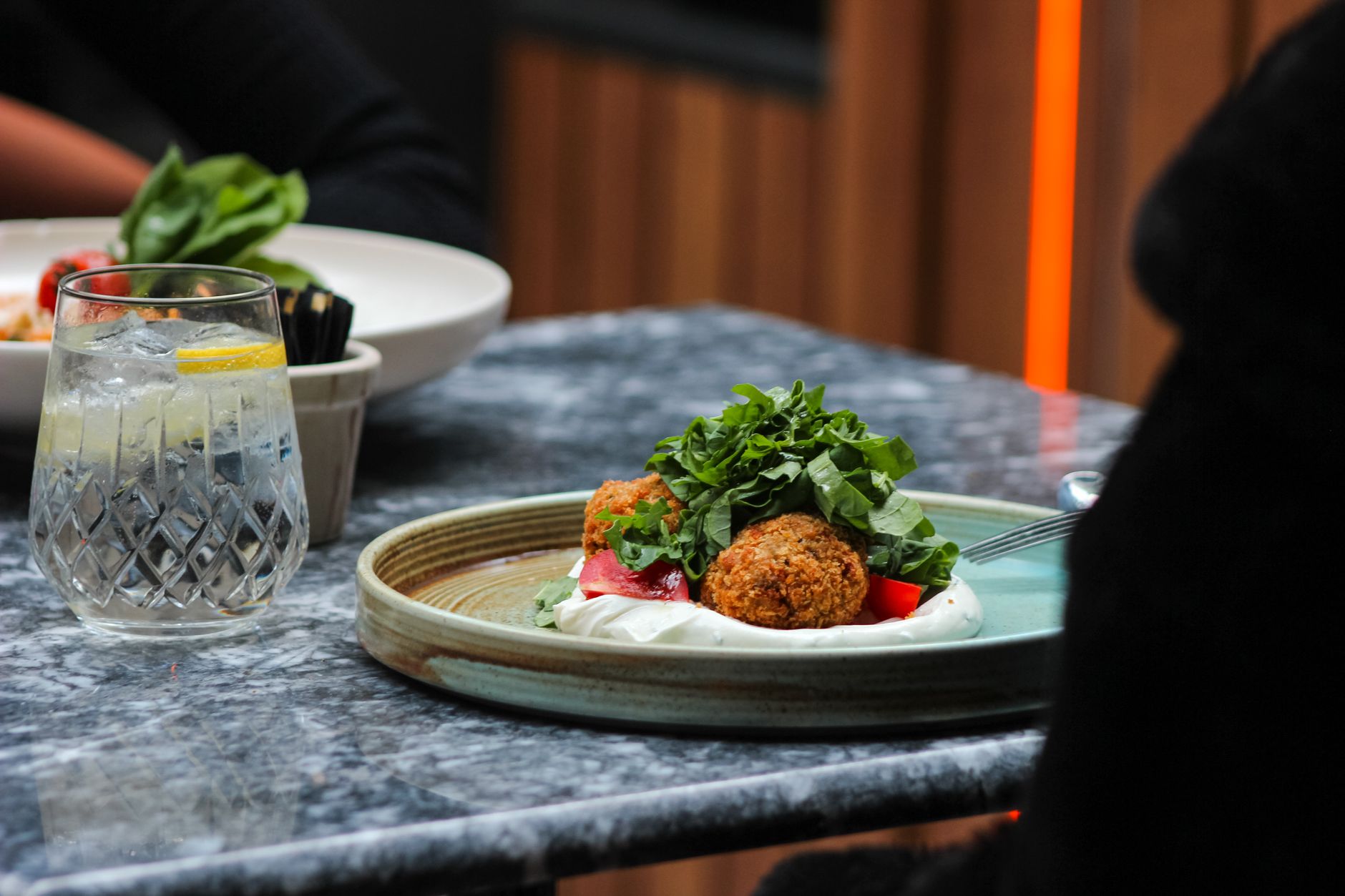
Falafel, the beloved Middle Eastern street food, is widely known for its distinctive green color, which adds to its visual appeal and flavor. This crispy and flavorful treat is typically made from ground chickpeas or fava beans mixed with a variety of herbs and spices. Understanding what makes falafel green not only enhances your culinary knowledge but also helps in crafting delicious homemade versions of this dish.
In this article, we will explore the key ingredients that contribute to falafel’s vibrant hue, its preparation methods, and various serving suggestions. Additionally, we will discuss suitable ingredient substitutions for dietary needs and provide some useful tips for making, storing, and enjoying falafel.
What Makes Falafel Green?
Falafel gets its green color primarily from the incorporation of fresh herbs, particularly parsley and cilantro, which are mixed into the base ingredients. These herbs not only add to the visual aesthetics but also enhance the flavor profile with their fresh, herbal notes. Some recipes may also include other green ingredients like spinach, mint, or even green bell pepper, further intensifying the color and taste.
The Role of Key Ingredients
To delve deeper into understanding falafel’s green color, let’s look at the essential ingredients and their contributions:
- Chickpeas (or Fava Beans): The primary base of traditional falafel, these legumes provide a nutty flavor and a hearty texture. When blended, they form the structure of the falafel ball.
- Parsley: Finely chopped parsley is the most significant contributor to falafel’s green color. It is often used in substantial amounts, adding freshness.
- Cilantro: This herb not only adds a vibrant green color but also a distinct, slightly citrusy flavor that complements the chickpeas.
- Garlic and Onion: While not green, these ingredients add depth of flavor to the falafel mixture.
- Spices: Common spices like cumin and coriander are used to season the falafel but do not directly impact the green color.
- Green Vegetables: Some recipes may include additional greens like spinach or mint for added color and nutrition.
Preparation Method
Creating homemade falafel is a straightforward process that allows for customization based on personal taste and dietary preferences. Here’s a step-by-step guide to making falafel:
Ingredients for Basic Falafel
- 1 cup dried chickpeas (soaked overnight)
- 1/2 cup fresh parsley, finely chopped
- 1/4 cup fresh cilantro, finely chopped
- 1 small onion, chopped
- 2 cloves garlic, minced
- 1 teaspoon ground cumin
- 1 teaspoon ground coriander
- 1/2 teaspoon baking powder
- Salt to taste
- Pepper to taste
- Oil for frying
Essential Equipment
- Food processor
- Large bowl
- Frying pan or deep fryer
- Slotted spoon or spider
- Paper towels
Step-by-Step Method
- Begin by soaking the dried chickpeas in water overnight. This softens them for blending.
- After soaking, drain and rinse the chickpeas thoroughly.
- In a food processor, combine the chickpeas, parsley, cilantro, onion, garlic, cumin, coriander, baking powder, salt, and pepper. Pulse until the mixture is finely ground but not pureed. The blend should have some texture.
- Transfer the mixture to a bowl and let it sit for about 30 minutes. This allows the flavors to meld and makes it easier to shape.
- Heat oil in a frying pan or deep fryer to 350°F (175°C).
- Using your hands, form small balls or patties from the mixture. Sizes can vary based on preference.
- Carefully drop the falafel into the hot oil, ensuring not to overcrowd the pan. Fry for about 3-5 minutes or until they are golden brown and crispy.
- Using a slotted spoon, remove the falafel and place them on paper towels to drain excess oil.
- Serve while warm with tahini sauce, pita bread, or fresh vegetables.
Variations and Substitutions
Falafel can be customized in several ways to suit different diets or preferences. Here are some adjustments you might consider:
- Beans: Substitute chickpeas with fava beans for a traditional Egyptian falafel. This variation may alter the taste slightly.
- Greens: Incorporate other leafy greens like spinach or arugula for an even greener variant.
- Vegan or Gluten-Free Options: Ensure that all the ingredients used are certified vegan or gluten-free, especially any sauces or bread served with the falafel.
- Spices Level: Adjust the spice levels by adding more cumin or using paprika for a smokier flavor.
Common Mistakes and Troubleshooting
While preparing falafel may seem simple, several common errors can impact the final product:
- Too Much Moisture: If the mixture is too wet, falafel may not hold its shape while frying. Ensure to drain the chickpeas well and avoid adding excessive water or oil.
- Not Enough Flavor: Taste the mixture before frying; adjust the seasoning if necessary, as the flavors will dull once cooked.
- Oil Temperature: If the oil is not hot enough, the falafel will absorb too much oil and become greasy. Conversely, if too hot, they may burn outside while remaining raw inside. Use a thermometer for best results.
- Baking Instead of Frying: If you opt to bake falafel, consider adding a little more oil to achieve a crispy texture, as baked versions may be drier.
Serving Suggestions
Falafel can be enjoyed in a variety of ways. Here are some popular serving ideas:
- Falafel Wrap: Serve falafel in pita or flatbread with fresh vegetables like lettuce, tomatoes, cucumbers, and drizzled with tahini or hot sauce.
- Falafel Salad: Crumble falafel over a bed of mixed greens, adding your favorite salad toppings and dressing for a fresh meal.
- Falafel Bowl: Create a grain bowl with quinoa or rice, topped with falafel, sautéed or roasted vegetables, and a scoop of hummus.
- Appetizer Platter: Serve falafel with a variety of dips like hummus, tzatziki, or baba ghanoush alongside pita chips.
Storing and Reheating Falafel
Proper storage can extend the life of homemade falafel:
- Refrigeration: Store cooled falafel in an airtight container in the fridge for up to 4 days.
- Freezing: For longer storage, freeze uncooked falafel balls on a baking sheet until solid, then transfer them to an airtight bag. They can be kept for up to 3 months. Fry them directly from frozen, adding a few extra minutes to the cooking time.
- Reheating: To reheat, place leftover falafel in an oven preheated to 350°F (175°C) for about 10 minutes, or until heated through and crispy.
Conclusion
Falafel is not just a delicious snack; it is a dish rich in cultural significance and versatility. Understanding what makes falafel green helps in creating the freshest and most flavorful versions at home. Feel free to experiment with ingredients and serving methods to find the combination that works best for you.
For those interested in enhancing their cooking repertoire, check out our recipes for green seasoning and discover our delightful chia pudding with coconut milk. These recipes can complement your falafel meal beautifully.