
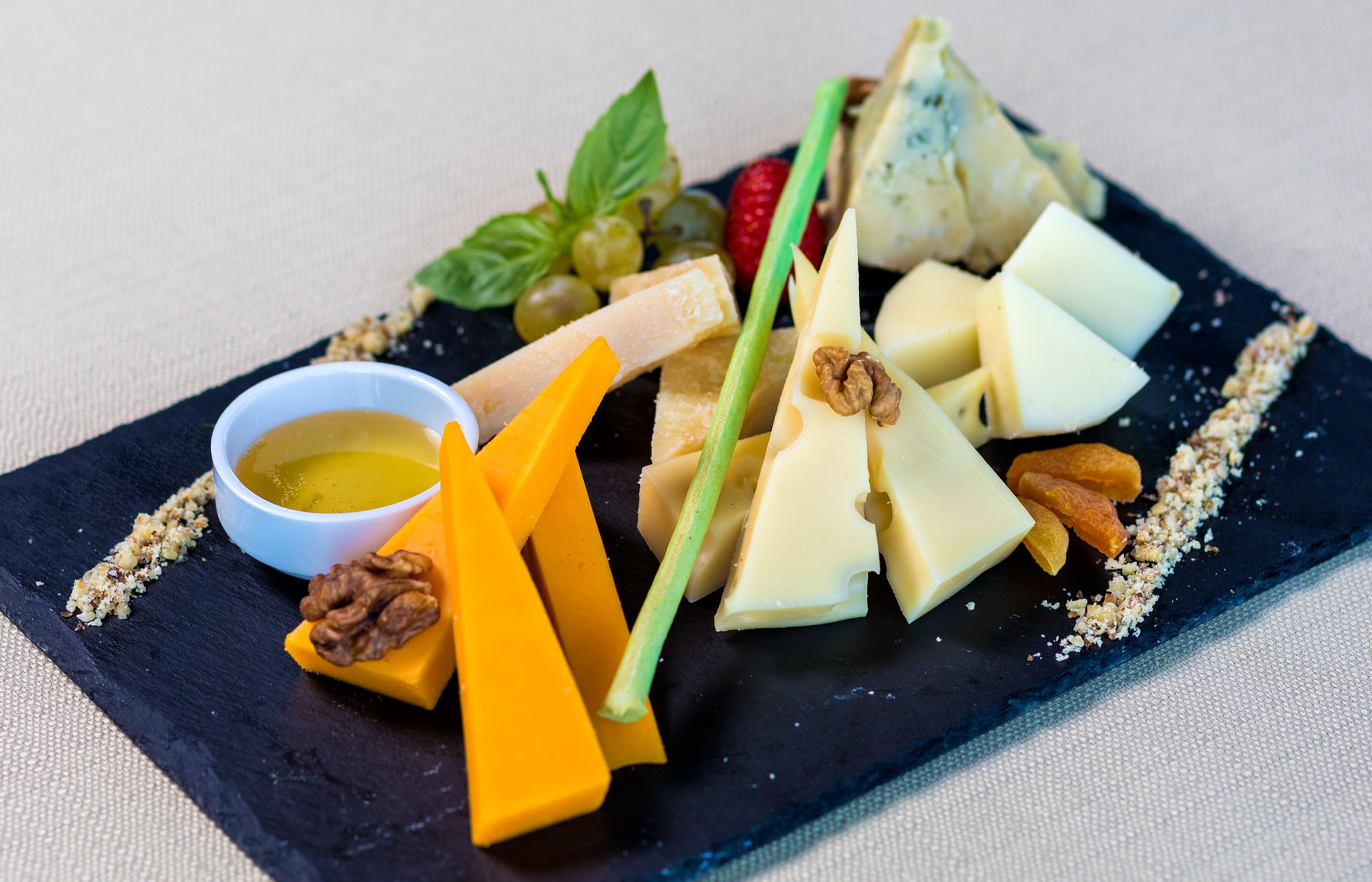
Paleo diets, also known as caveman diets, are centered around whole foods that our ancestors likely consumed. This has led to various debates on which foods fit within the framework of such a diet, especially regarding dairy products. One common question arises: Is cheese paleo-friendly?
Cheese can be a divisive subject in the paleo community due to its dairy origins. Understanding paleo principles is crucial for making informed choices about including cheese in your diet. This article will explore cheese’s nutritional aspects, portion recommendations, meal ideas, and alternative options that align more closely with paleo principles.
Is Cheese Paleo?
The short answer is: it depends. Traditional paleo guidelines typically exclude all dairy products, including cheese, due to the belief that our ancestors did not consume milk from animals. However, some modern interpretations of the paleo diet allow certain types of cheese, particularly those that are unprocessed, raw, and made from high-quality milk.
Understanding where cheese fits into your paleo journey involves weighing its nutritional benefits against potential drawbacks, such as lactose intolerance or other sensitivities. Here, we’ll break down the nutritional profile of cheese, its portions, and some practical meal ideas.
Nutritional Overview of Cheese
Cheese is rich in several nutrients, including protein, calcium, phosphorus, and vitamins A and B12. Here is a typical nutritional breakdown of a standard serving of cheese, specifically cheddar cheese:
| Nutrient | Amount per 1 oz (28g) |
|---|---|
| Calories | 113 |
| Protein | 7g |
| Total Fat | 9g |
| Carbohydrates | 1g |
| Calcium | 200mg |
Benefits of Cheese
When considering a paleo approach, some potential benefits of cheese include:
- High in Protein: Cheese is an excellent source of protein, which is essential for muscle health and recovery.
- Rich in Calcium: It supports bone health, an important aspect often overlooked in paleo discussions.
- Versatile Ingredient: Cheese can enhance flavors, making meals more satisfying and diverse.
Drawbacks of Cheese
Despite its benefits, cheese may pose challenges:
- Lactose Intolerance: Many people are lactose intolerant, which makes dairy products hard to digest.
- Inflammation: Some individuals may find dairy products provoke inflammation, counteracting common paleo principles.
- Processed Varieties: Many cheeses on the market contain additives that may not fit a paleo lifestyle.
Portion Recommendations
If you choose to include cheese in your paleo diet, portion control is essential. Moderation helps to mitigate any potential negative side effects while allowing you to enjoy the flavors and textures that cheese brings to dishes. Generally, aim for a serving size of 1 to 2 ounces of cheese per meal.
Cheese Options Considered Paleo-Friendly
While traditional cheese sources may not always align with strict paleo principles, several cheese varieties are sometimes considered more acceptable for those who tolerate dairy:
- Fresh Cheeses: Options like ricotta or cottage cheese can be included, especially if they are from grass-fed sources.
- Raw Milk Cheeses: Cheeses made from unpasteurized milk often contain beneficial enzymes and bacteria that may aid digestion.
- High-Quality Cow’s Milk Cheeses: Gruyere, mozzarella, and certain cheese varieties can be consumed in moderation.
- Goat Cheese: It is generally easier to digest and often tolerated better than cow’s milk cheeses.
Meal Ideas Featuring Cheese
If you decide to include cheese in your paleo meal planning, here are some delicious ideas to incorporate it:
Breakfast
- Cheesy Spinach Frittata: Whip up a frittata using eggs, fresh spinach, and crumbled goat cheese for a nutritious start to your day.
- Avocado Toast with Feta: Use a slice of paleo-friendly bread, top it with smashed avocado, and sprinkle with crumbled feta cheese.
Lunch
- Grilled Chicken Salad: Combine mixed greens, grilled chicken, sliced tomatoes, and a sprinkle of Parmesan cheese with a lemon vinaigrette.
- Caprese Salad: Layer fresh tomatoes, mozzarella, basil, and a drizzle of balsamic reduction for a refreshing meal.
Dinner
- Zucchini Noodles with Pesto and Cheese: Toss spiralized zucchini with homemade pesto and top with freshly grated Parmesan.
- Stuffed Bell Peppers: Fill bell peppers with ground turkey, spices, and a small amount of shredded cheese and bake until bubbly.
Snacks
- Cheese and Vegetable Platter: Prepare a platter with assorted raw vegetables and a selection of cheese for munching.
- Cheesy Cauliflower Bites: Make baked cauliflower bites with cheese, almond flour, and seasoning for a tasty snack.
Cheese Substitutes for Paleo Dieters
If you choose to avoid cheese entirely, there are several cheese substitutes that can enhance your meals without straying from paleo principles:
- Nutritional Yeast: Offers a cheesy flavor and is packed with B vitamins. Sprinkle it on salads or use it in sauces.
- Cashew Cheese: Blend soaked cashews with nutritional yeast, garlic, and lemon juice for a creamy cheese alternative.
- Coconut Cream: Incorporate it into recipes that call for cream for a rich, creamy texture while remaining dairy-free.
Common Mistakes and Troubleshooting
When incorporating cheese into a paleo diet, it’s essential to avoid some common pitfalls:
- Overindulgence: Stick to recommended portion sizes and avoid using cheese as a main ingredient in every meal.
- Choosing Processed Cheeses: Be wary of pre-packaged cheeses with additives. Opt for high-quality, unprocessed options.
- Ignoring Personal Tolerance: Always listen to your body and recognize how dairy impacts your well-being.
Storage and Reheating Tips
Proper storage of cheese is vital for maintaining its quality and safety:
- Refrigeration: Store cheese in the fridge, wrapped in parchment paper or cheese paper to allow it to breathe.
- Freeze for Long-Term Storage: If needed, hard cheeses can be frozen but may change in texture once thawed.
- Reheating: If melting cheese, do so gently over low heat to prevent burning or becoming excessively greasy.
Conclusion
Determining whether cheese fits into a paleo diet largely depends on individual dietary preferences and tolerances. While traditional paleo guidelines exclude cheese, some modern interpretations allow for quality, minimally processed options in moderation. Always consider personal tolerances and nutritional goals when including cheese in your meals.
For those looking to explore further, consider trying a delicious cottage cheese dip recipe or a cottage cheese flatbread recipe to enjoy more creativity in your culinary creations.