
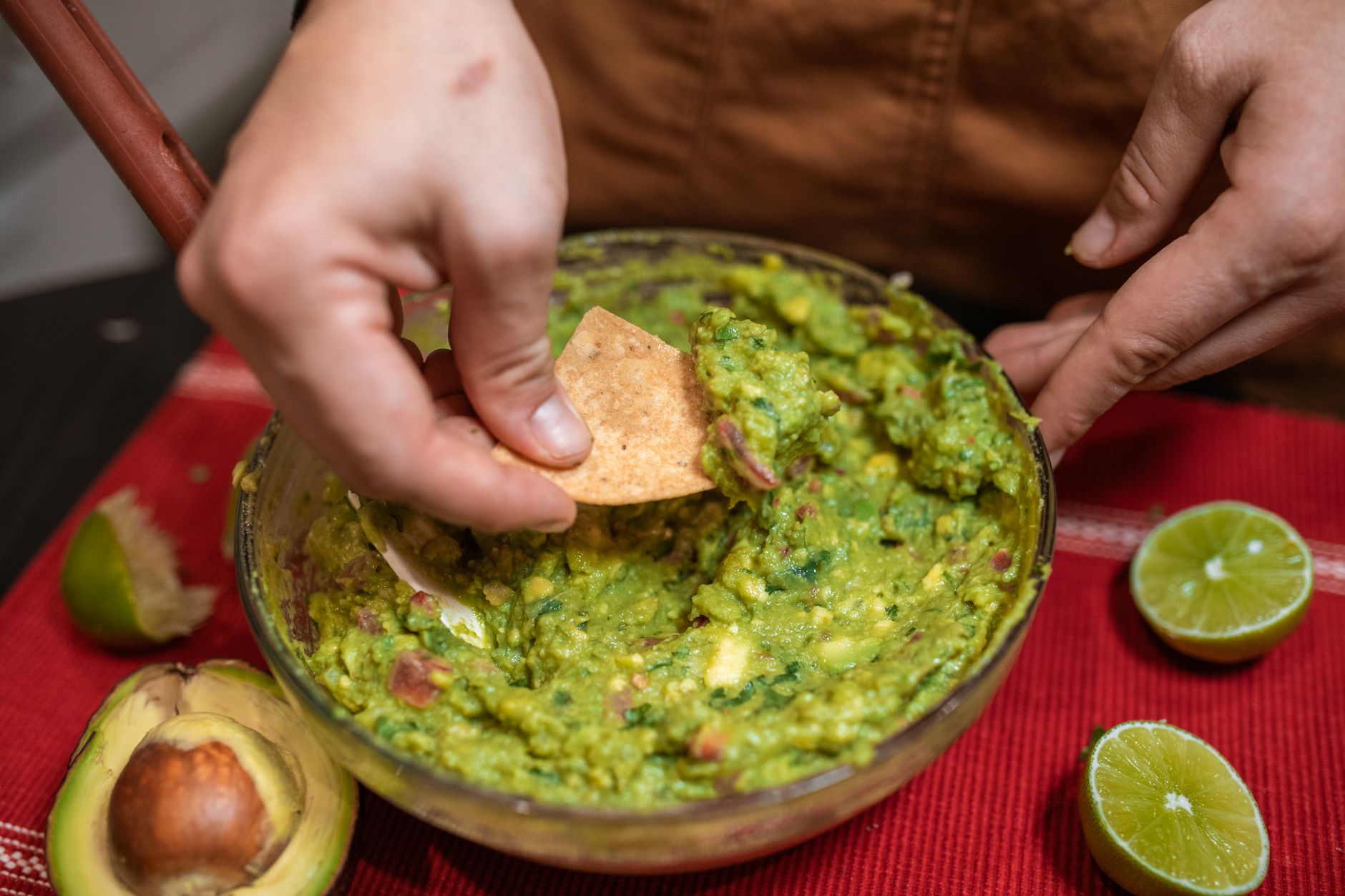
Guacamole is a beloved avocado-based dip that has roots in Mexican cuisine. It is known for its creamy texture, vibrant green color, and rich, buttery flavor. This article will explore the origins of guacamole, its meaning, the cultural significance behind it, and various ways to enjoy this delightful dish.
Diving into what guacamole means involves understanding the ingredients and the history that shaped this culinary staple. From its Aztec origins to modern-day variations, guacamole has evolved into a versatile dish loved around the world.
What Does Guacamole Mean?
Guacamole translates from Spanish literally as “smashed avocado.” The word “guaca” comes from the Nahuatl word “āhuacatl,” meaning avocado, and “mole,” which means sauce or mixture. Thus, guacamole refers to a sauce or dip made primarily from avocados.
Historical Context of Guacamole
The story of guacamole begins in Mesoamerica, where avocados have been cultivated for thousands of years. The Aztecs were among the first to create a dish resembling modern guacamole, using ingredients like avocados, tomatoes, and spices.
Spanish colonization in the 16th century introduced new ingredients and flavors to the region, influencing the evolution of guacamole. By the 19th century, recipes for guacamole began to appear in cookbooks, reflecting a fusion of indigenous and European culinary traditions.
Traditional Ingredients of Guacamole
While there are many variations of guacamole, traditional recipes commonly include the following ingredients:
- Ripe avocados
- Fresh lime juice
- Salt
- Chopped onions
- Diced tomatoes
- Chopped cilantro
- Chili peppers (e.g., jalapeños or serranos)
The core of guacamole is ripe avocados, which provide a creamy texture and rich flavor. Lime juice adds acidity and brightness, while salt enhances the overall taste. The other ingredients contribute texture, color, and additional flavor nuances.
Cultural Significance of Guacamole
Guacamole is more than just a dip; it holds a special place in Mexican culture and celebrations. It is often served during festive occasions, family gatherings, and as a staple for parties, particularly in the form of nachos and tacos.
The dish symbolizes hospitality and sharing, making it an essential part of cultural traditions. In Mexico, its preparation can even be a ceremonial act, where the act of making guacamole becomes a communal activity, bringing people together.
Flavor Profile of Guacamole
Guacamole boasts a unique flavor profile characterized by its creamy texture and savory taste. The ripe avocado lends a buttery richness, while lime juice adds a tangy freshness. The onions, tomatoes, and herbs contribute both crunch and a burst of flavor, making guacamole a perfect balance of tastes and textures.
Basic Guacamole Recipe
Yield: 2 cups
Preparation time: 10 minutes
Total time: 10 minutes
Ingredients
- 2 ripe avocados
- 1 lime, juiced
- 1/2 teaspoon salt
- 1/4 cup chopped red onion
- 1 medium tomato, diced
- 2 tablespoons chopped fresh cilantro
- 1 small jalapeño, minced (optional)
Essential Equipment
- Mixing bowl
- Fork or potato masher
- Knife
- Cutting board
Method
- Prepare the avocados by cutting them in half, removing the pit, and scooping the flesh into a mixing bowl.
- Using a fork or potato masher, mash the avocados to your preferred level of creaminess, whether smooth or chunky.
- Add the lime juice and salt, mixing well to combine.
- Fold in the chopped red onion, diced tomato, cilantro, and minced jalapeño (if using), ensuring even distribution throughout the mixture.
- Taste and adjust seasonings as needed, adding more lime juice or salt to suit your preference.
- Serve immediately with tortilla chips, tacos, or as part of your favorite dishes.
Variations of Guacamole
Guacamole can be customized in numerous ways to suit different tastes and preferences. Here are some popular variations:
- Spicy Guacamole: Include additional chili peppers or some cayenne pepper for a kick.
- Fruit-Infused Guacamole: Mix in diced mango or pineapple for a sweet contrast to the creaminess.
- Smoky Guacamole: Add smoked paprika or diced chipotle peppers in adobo for a smoky depth of flavor.
- Herb-Enhanced Guacamole: Experiment with different herbs such as parsley or mint for a refreshing twist.
Common Mistakes to Avoid When Making Guacamole
While making guacamole is straightforward, a few common mistakes can compromise its quality:
- Using Unripe Avocados: Ensure your avocados are ripe, as unripe avocados will yield a hard, less flavorful dip.
- Over-Mashing: Depending on your preference, avoid over-mashing to retain some texture. Some like a chunky guacamole.
- Skipping Lime Juice: Not using lime juice can lead to a flat flavor. It also helps prevent oxidation, which keeps the guacamole green.
- Not Seasoning Adequately: Always taste and adjust salt and lime juice to enhance the flavors.
- Storing Improperly: If you have leftovers, store guacamole in an airtight container, pressing plastic wrap directly onto the surface to minimize air exposure.
Serving Suggestions
Guacamole is incredibly versatile and can be used in various ways to enhance meals:
- As a dip with tortilla chips or veggie sticks.
- Spread on sandwiches or wraps for added creaminess.
- Mixed into salads for an extra layer of flavor.
- As a topping for tacos, burritos, or enchiladas.
- In a breakfast bowl alongside eggs and toast.
Storing Guacamole
To maintain the freshness of guacamole, storing it correctly is crucial. Here are some tips on how to properly store it:
- Transfer guacamole into an airtight container. Make sure the container is small enough that there isn’t much air space left.
- Press a piece of plastic wrap against the surface of the guacamole to keep out air and prevent browning.
- Refrigerate immediately, and consume within 1-2 days for the best quality.
- To revive guacamole that has turned brown, gently mix in a bit of fresh lime juice.
Guacamole Around the World
While guacamole is quintessentially Mexican, its popularity has led to variations around the globe:
- U.S. Variations: In the United States, guacamole often features additional ingredients like sour cream or Greek yogurt for creaminess or even cheese.
- Latin America: Countries like Peru and Colombia have their own takes, incorporating local ingredients such as corn or different herbs.
- Fusion Cuisine: Guacamole is often featured in fusion dishes, such as sushi rolls or gourmet burgers, bringing new flair to traditional recipes.
Health Benefits of Guacamole
Avocados, the base of guacamole, are packed with nutrients and health benefits:
- Healthy Fats: Avocados are rich in monounsaturated fats, which can help lower bad cholesterol levels.
- Vitamins and Minerals: They contain potassium, which is excellent for heart health and blood pressure regulation.
- Fiber: Avocados are a great source of dietary fiber, aiding digestion and promoting a sense of fullness.
- Antioxidants: The vitamins and compounds found in avocados can contribute to overall health and may reduce the risk of chronic diseases.
Guacamole’s Place in Modern Cuisine
In recent years, guacamole has exploded in popularity, showing up not just in Mexican restaurants but across various dining experiences and recipes. It has become a staple in many households, offering not just a delicious dip but also a nutritious topping and ingredient for various dishes.
Chefs continue to experiment with guacamole, pushing boundaries and introducing new flavor profiles to traditional recipes. Whether it’s served in gourmet restaurants or at backyard BBQs, guacamole remains a cherished culinary delight.
Understanding what guacamole means encompasses more than just the ingredients; it is a reflection of culture, tradition, and creativity in the kitchen. The next time you whip up a batch of guacamole, you can appreciate its rich history and enjoy its delicious flavors.
If you want to explore additional recipes that incorporate avocados, check out our Avocado Crema Recipe and discover ways to create cheesy perfection with our Chipotle Queso Recipe.