
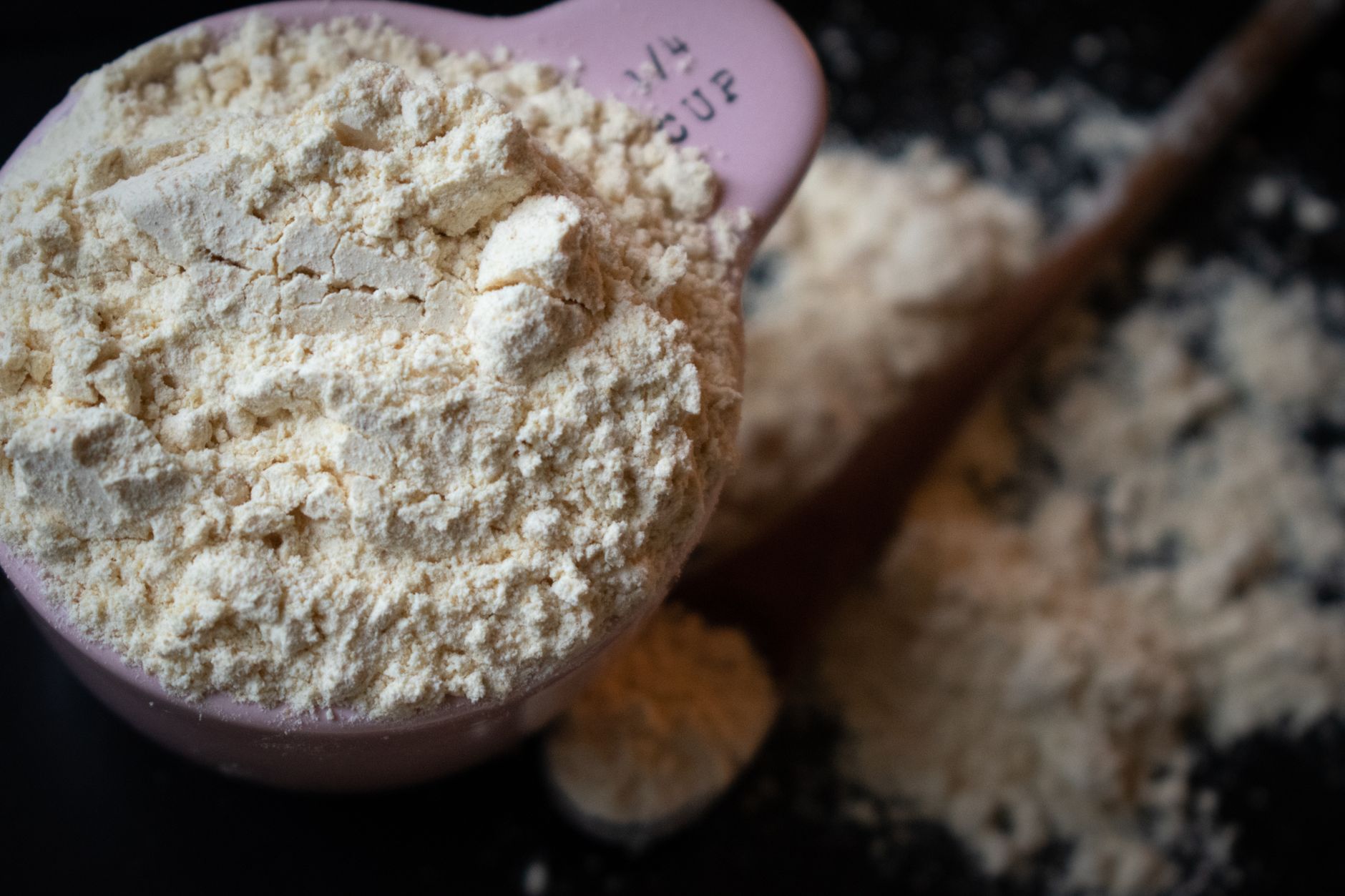
Bread flour and all-purpose flour are two commonly used types of flour in kitchens worldwide, each serving distinct purposes in baking. Understanding their differences can significantly impact the texture and flavor of your baked goods.
This guide will explore the characteristics, uses, and substitutions for both bread flour and all-purpose flour. With a comprehensive look at each type, you’ll be better equipped to choose the right flour for your baking needs.
How Is Bread Flour Different from All Purpose Flour?
Bread flour differs from all-purpose flour primarily in its protein content and resulting gluten development. Bread flour typically contains about 12 to 14 percent protein, while all-purpose flour usually has a lower protein content of about 10 to 12 percent. This higher protein content enables bread flour to create a stronger gluten structure, resulting in chewier bread with a better rise.
Understanding Flour Composition
Before diving into the differences, it’s essential to understand what flour consists of and how it affects baking.
Protein Content
Protein is an essential component of flour, as it affects gluten formation. Gluten provides elasticity and strength to the dough, which is crucial for achieving the desired texture in baked goods. The main proteins in flour are glutenin and gliadin, which combine to form gluten when water is added and the dough is kneaded.
Types of Flour
- All-Purpose Flour: A versatile flour suitable for general baking, cookies, cakes, and pancakes.
- Bread Flour: Specifically designed for yeast breads, pizza, and other baked goods requiring a chewy texture.
- Cake Flour: Has the lowest protein content, resulting in tender, delicate cakes.
- Whole Wheat Flour: Contains the entire grain, offering more fiber and nutrients but less gluten strength than white flours.
Baking with Bread Flour
Utilizing bread flour can lead to denser, chewier loaves, making it ideal for various types of bread. Here are common recipes that benefit from bread flour.
1. Yeast Bread
Yeast bread requires a strong gluten structure to trap gas produced during fermentation, helping the dough rise and develop its airy texture. Bread flour is the perfect choice for common yeast bread recipes, such as:
- White Bread
- Whole Wheat Bread
- Focaccia
- Pizza Dough
2. Artisan Breads
Artisan bread-making often involves longer fermentation times and different techniques that create distinctive flavors and textures. The higher protein content of bread flour allows for better gas retention during these fermentation processes. Popular artisan bread types include:
- Ciabatta
- Baguette
- Sourdough Bread
3. Pretzels and Bagels
The chewy texture of bagels and pretzels is largely attributed to the use of bread flour. The dough’s strength helps maintain shape, while boiling (for bagels) adds to the crusty exterior.
Baking with All-Purpose Flour
All-purpose flour is a versatile ingredient that can be used for various baked goods, although it may not provide the same texture as bread flour in certain recipes. Here are some typical uses:
1. Cookies and Bars
All-purpose flour is an excellent choice for cookies, providing just the right amount of structure without making them too tough. Popular cookie recipes using all-purpose flour include:
- Chocolate Chip Cookies
- Peanut Butter Cookies
- Brownies
2. Cakes and Muffins
This flour type shines in cakes and muffins, where a lighter texture is desired. Recipes that frequently call for all-purpose flour are:
- Vanilla Cake
- Banana Muffins
- Sponge Cake
3. Pancakes and Waffles
All-purpose flour creates fluffy pancakes and waffles, making it suitable for breakfast staples. Many recipes will specify this type of flour for their desired texture.
Substituting Bread Flour and All-Purpose Flour
When you find yourself with the wrong type of flour, substitutions can often be made, although they might affect the final outcome.
Substituting Bread Flour for All-Purpose Flour
In many recipes, especially those that require a bit of chewiness, you can replace all-purpose flour with bread flour. However, you may need to adjust the liquid content, as bread flour can absorb more moisture due to its higher protein content. Here are some guidelines:
- Use a 1:1 substitution but be prepared to add additional liquid, checking the dough consistency as you go.
- This substitution works well in recipes for pizza dough, buns, and loaves.
Substituting All-Purpose Flour for Bread Flour
Swapping all-purpose flour for bread flour can also work, but the result will be a more tender and less structured final product. Consider the following:
- Use the same measurement but be mindful of differences in texture and rise.
- This substitution is best for softer breads, such as sandwich loaves.
Common Mistakes in Baking with Bread and All-Purpose Flour
Baking can be tricky, and using the wrong type of flour can lead to undesirable results. Here are some common mistakes to avoid:
Mistake 1: Not Measuring Flour Correctly
Improper measuring can alter the outcome of your baked goods. Always use the spoon-and-level method or a kitchen scale for accuracy.
Mistake 2: Ignoring Protein Content
Using bread flour in a recipe for cookies can result in a chewier texture than desired. Understand the intended outcome of your recipe before starting.
Mistake 3: Not Adjusting Liquid Content
As mentioned earlier, when substituting flours, be prepared to adjust liquid amounts to achieve the desired dough or batter consistency.
Storing Bread Flour and All-Purpose Flour
Proper storage of flour is essential to maintain freshness and prevent insect infestation. Here are some tips for storing your flours:
1. Use Airtight Containers
Store both bread flour and all-purpose flour in airtight containers to keep them fresh for months. This prevents moisture and bugs from affecting the quality.
2. Keep in a Cool, Dry Place
A cool, dark cupboard or pantry works best for flour storage. Avoid the refrigerator, as moisture can accumulate when taken in and out.
3. Check for Freshness
Flour can go stale or rancid over time. Always check for off smells or discoloration before using.
Utilizing Bread Flour and All-Purpose Flour in Meal Planning
Incorporating both types of flour into your meal planning can enhance variety and texture in your diet. Here’s how you can efficiently include them:
1. Planning for Breads
Choose bread varieties for your week, utilizing bread flour for yeast breads and pizza bases. Plan for lunches with homemade sandwiches, or prep dough for quick dinners.
2. Baking Snacks and Desserts
Use all-purpose flour for quick snacks such as cookies and muffins. Preparing a batch can be convenient for grab-and-go breakfasts.
3. Batch Cooking
Consider baking larger quantities of bread and freezing some for later use. This makes meal prep more manageable while adding fresh homemade goods to your meals.
Conclusion
Understanding the differences between bread flour and all-purpose flour can lead to better baking experiences and more satisfying results. Use this guide to choose the right flour for your recipes and adjust accordingly when substitutions are needed. With practice, you’ll find the perfect flour for every baked good.
Explore related guides for more information on cooking techniques and baking tips, including the difference between bleached and unbleached flour and the sourdough baguette recipe for specific baking inspiration.