
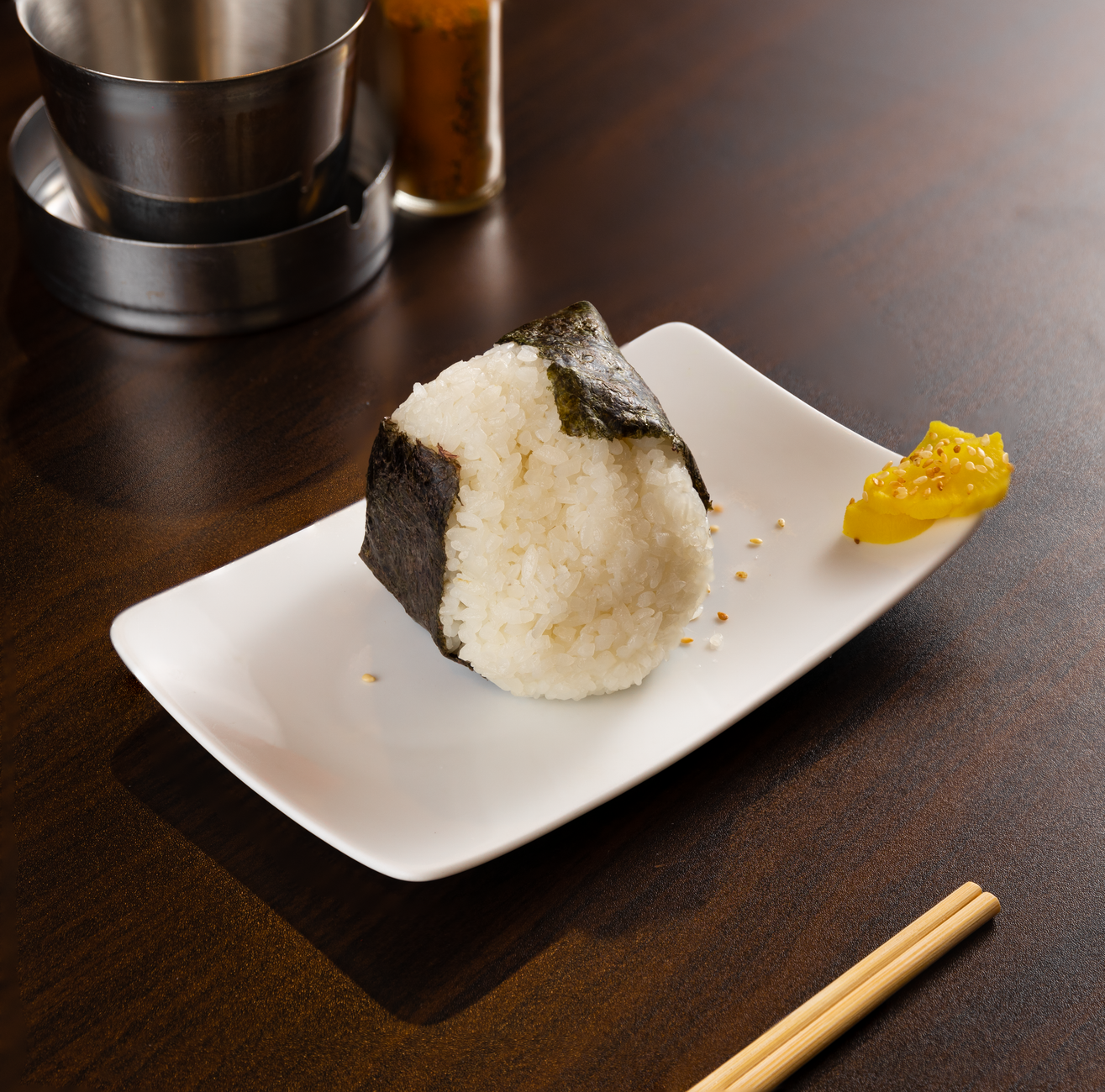
Onigiri, the beloved Japanese rice ball, is a delightful snack or meal that packs flavor and nutrition. While many might think any rice will do, the type you choose has a profound impact on the flavor, texture, and overall experience of this dish. Knowing which rice to use for onigiri is essential for achieving that perfect, slightly sticky bite that holds its shape.
This guide will delve into the various types of rice suitable for onigiri, how to prepare it, and some delicious recipe ideas and serving tips to enhance your experience. By choosing the right rice and using proper techniques, you can create beautiful and tasty onigiri that will impress family and friends.
What Rice to Use for Onigiri?
The best rice for onigiri is short-grain Japanese rice, often referred to as “sushi rice” or “shirogome.” This type of rice is known for its high starch content, which produces a sticky texture when cooked. This stickiness is essential for forming onigiri into their classic triangular shape and ensuring they hold together when eaten.
Short-grain rice varieties include:
- **Koshihikari**: Renowned for its sweetness and slightly firm texture, Koshihikari is a premium rice that is often preferred for onigiri.
- **Akitakomachi**: Another popular choice, Akitakomachi offers a slightly chewy texture and rich flavor.
- **Hitomebore**: A bit less sticky than Koshihikari, Hitomebore is also delicious and provides a nice balance.
While long-grain rice varieties like basmati or jasmine are not suitable for onigiri due to their drier, less sticky texture, it’s essential to choose a quality short-grain rice for authentic results.
Cooking Techniques for Onigiri Rice
Cooking onigiri rice correctly is crucial for achieving the desired texture. Follow these steps to cook perfect onigiri rice:
- Measure the Rice: Rinse the rice under cold water to remove excess starch until the water runs clear. This process helps prevent overly sticky rice.
- Soak the Rice: Soak the rinsed rice in water for 30 minutes to 1 hour. Soaking allows the grains to absorb water and cook evenly.
- Cook the Rice: Use a rice cooker or stovetop method to cook the rice. If using a rice cooker, follow the manufacturer’s instructions. For stovetop cooking, use a ratio of 1 cup of rice to 1.2 cups of water. Bring to a boil, reduce heat, cover, and simmer for about 18-20 minutes. Turn off the heat and let it sit covered for an additional 10 minutes.
- Fluff the Rice: Once cooked, fluff the rice gently with a paddle or fork to avoid breaking the grains. Let it cool slightly before shaping it into onigiri.
Flavoring Your Onigiri Rice
While onigiri rice is delicious on its own, you can enhance its flavor with a few simple additions:
- Salt: Mixing in a little salt while the rice is still warm will elevate the flavor. About 1/2 teaspoon per cup of uncooked rice is a good starting point.
- Vinegar: For a slightly tangy flavor, consider adding rice vinegar, similar to sushi rice preparation. Combine 1 tablespoon of vinegar with 1/2 teaspoon of sugar and 1/4 teaspoon of salt, and mix it into the warm rice.
Onigiri Filling Ideas
Onigiri can be filled with various delicious ingredients to create an exciting and flavorful bite. Here are some classic and contemporary filling ideas:
- Umeboshi: Pickled plum, which adds a tangy and salty flavor.
- Salmon: Grilled or salted salmon flakes; a popular and satisfying choice.
- Tunafish: Mixed with mayonnaise for a creamy filling.
- Wasabi and Nori: Combine wasabi with a little soy sauce for a spicy kick, and wrap the rice in nori for added flavor.
- Sweet fillings: Add sweetened red bean paste or mochi for a unique dessert onigiri.
Shaping Onigiri
The traditional shape of onigiri is a triangle, but you can also shape them into balls or other forms. Here’s how to shape triangle onigiri:
- Moisten your hands with water to prevent sticking, and sprinkle a bit of salt on your palms.
- Take a handful of warm rice (about 1/2 cup) and flatten it slightly.
- Place a small amount of filling in the center of the rice.
- Fold the sides of the rice over the filling, forming a triangle shape, and press gently to compact the rice together.
- Finish shaping by molding it into a perfect triangle, ensuring it holds its form.
Serving Suggestions for Onigiri
Onigiri is versatile and can be enjoyed in various ways:
- Serve as a snack on its own or as part of a bento box.
- Pair with miso soup or a light salad for a complete meal.
- Try different dipping sauces, such as soy sauce or wasabi, for extra flavor.
- Enhance presentation by wrapping in nori, decorating with sesame seeds, or garnishing with pickled vegetables.
Common Mistakes to Avoid When Making Onigiri
To achieve the best onigiri, avoid these common mistakes:
- Using the wrong type of rice, such as long-grain varieties, which don’t hold together well.
- Not soaking or rinsing the rice properly, which affects texture.
- Skipping the cooling step; warm rice is better for shaping and flavor absorption.
- Using too much filling; this makes it difficult to mold the onigiri.
Storing and Reheating Onigiri
If you’ve made a batch of onigiri, proper storage is essential to maintain quality:
- Store onigiri in an airtight container in the refrigerator for up to 3 days.
- To prevent the rice from drying out, wrap each onigiri in plastic wrap.
- For reheating, set the rice on a plate, cover with a damp paper towel, and microwave for about 30 seconds to 1 minute until warmed through. Be careful not to overheat, which can dry out the rice.
Variations of Onigiri
Onigiri can be adapted to suit various tastes and preferences. Here are some delicious variations to consider:
- Temaki-style Onigiri: Shape the rice into small cones and fill them with colorful toppings like vegetables and fish.
- Fried Onigiri: Pan-fry shaped onigiri in a little oil until golden brown for a crispy texture.
- Onigirazu: A modern version of onigiri, where you wrap rice and fillings in a sheet of nori, resembling a sushi sandwich.
Conclusion
Choosing the right rice for onigiri and knowing how to prepare it correctly is vital for creating delicious rice balls. The unique texture of short-grain Japanese rice allows for the perfect shaping and adhering of flavors, ultimately providing a delightful culinary experience. With various fillings and shaping techniques, onigiri can be customized to suit any taste.
Now that you have the knowledge and tips required to create flavorful onigiri, try making your own version at home and enjoy these delightful rice balls as part of your meals or snacks. Remember, you can experiment with different fillings, shapes, and even methods of serving to personalize your onigiri experience.
Explore related recipes, cooking tips, or food guides, such as our recipe for rice pudding and Puerto Rican rice recipe for more delicious ideas.