
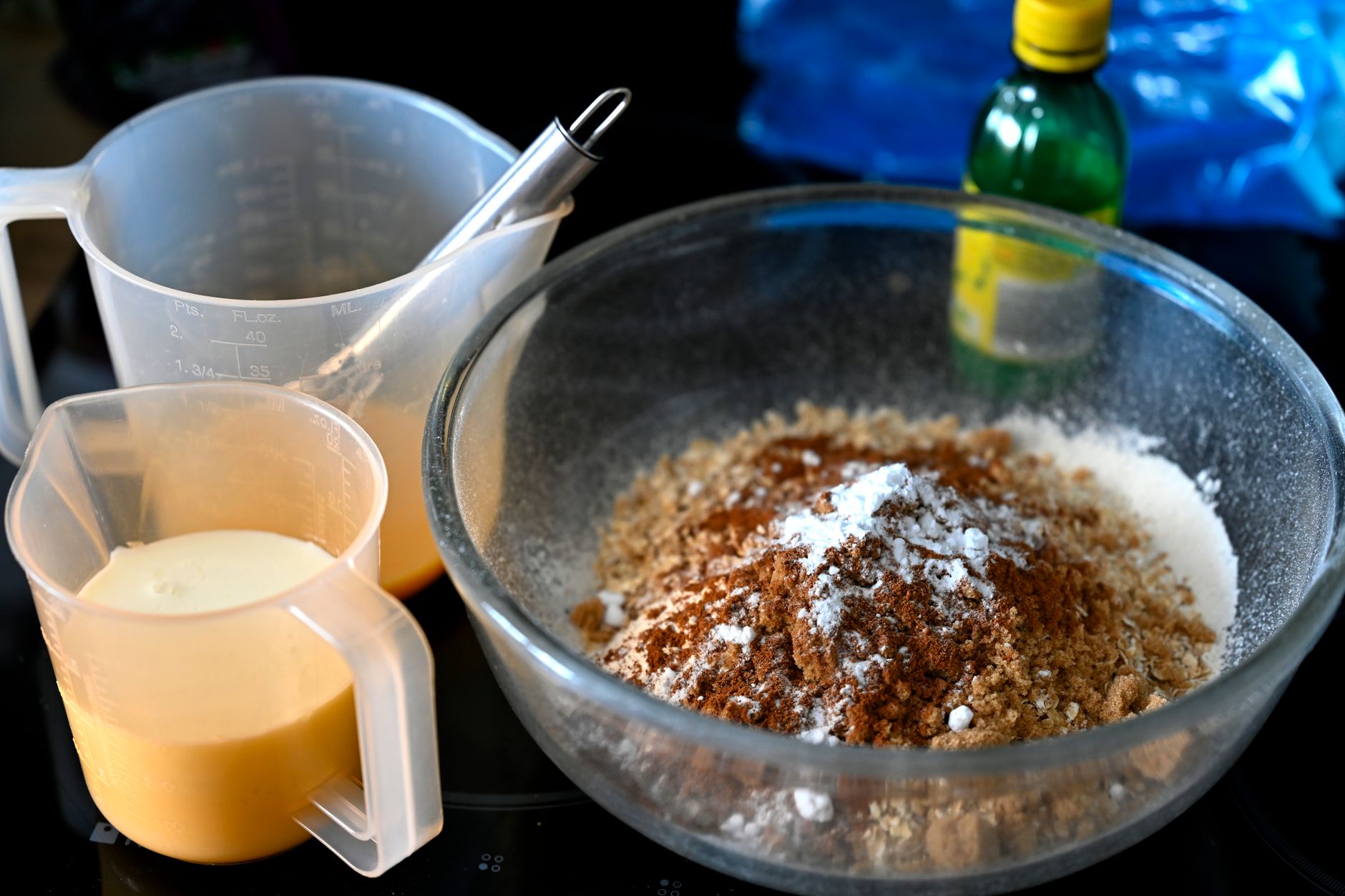
Understanding how many cups are in a pound of powdered sugar is crucial for bakers and home cooks alike. Accurate measurements can make a significant difference in recipes, especially in baking, where precision is essential for achieving the desired texture and flavor.
Powdered sugar, also known as confectioners’ sugar or icing sugar, is frequently used in frosting, glazes, and desserts. This article will not only answer the question of how many cups are in a pound of powdered sugar but will also provide insights on the ingredient itself, its uses, and tips for measuring correctly.
How Many Cups in Pound of Powdered Sugar?
There are approximately 4 cups in a pound of powdered sugar. This measurement can vary slightly depending on factors such as how tightly the sugar is packed in the cup and the specific brand of sugar, but 4 cups is a good standard reference.
Understanding Powdered Sugar
Powdered sugar is made by grinding granulated sugar into a fine powder. It often contains a small amount of anti-caking agent, such as cornstarch, which prevents clumping and allows it to be used more easily in recipes. This sugar is essential in many sweet recipes, providing sweetness without the graininess that granulated sugar may impart.
In addition to its sweetness, powdered sugar has a light and airy texture, making it ideal for smooth frostings, icings, and desserts. It dissolves easily, allowing for a delightful blend in recipes. Understanding how to measure powdered sugar accurately can improve your baking results tremendously.
Measuring Powdered Sugar Accurately
As mentioned, a packed cup of powdered sugar can affect the outcome of your recipe. Here are some practical steps to measure powdered sugar accurately:
- Use a spoon to fluff the powdered sugar in its container, aerating it.
- Gently spoon the powdered sugar into your measuring cup without packing it down.
- Level off the top with a straight edge, such as a knife or spatula.
- If your recipe specifies a weight, use a kitchen scale for precision.
These methods help ensure that you aren’t inadvertently adding too much powdered sugar, which may lead to overly sweet or overly dense baked goods.
Common Uses for Powdered Sugar
Powdered sugar is exceptionally versatile and is used in various recipes including:
- Frostings: Ideal for making smooth, creamy frosting, especially for cakes and cupcakes.
- Glazes: Easily mixed with liquids to create glazes for donuts or other baked treats.
- Dusting: Used to dust over cakes, pastries, or other desserts for visual appeal.
- Recipes: Commonly used in cookies, mousses, and whipped toppings.
How to Make Your Own Powdered Sugar
If you find yourself out of powdered sugar, making your own at home is simple and requires just two ingredients:
- Granulated sugar
- Cornstarch (optional, for preventing clumping)
Instructions for Homemade Powdered Sugar
- Measure 1 cup of granulated sugar into a blender or food processor.
- Add 1 tablespoon of cornstarch if desired.
- Blend on high until the sugar turns to a fine powder, usually about 30 seconds.
- Store any unused sugar in an airtight container.
This homemade powdered sugar can substitute store-bought versions for frostings, icings, and other desserts.
Substitutions and Alternatives
While powdered sugar has a unique texture and sweetness, there are times when you might need a substitute. Here are some common alternatives:
- Granulated Sugar: For recipes where texture isn’t critical, you can blend granulated sugar until fine, similar to homemade powdered sugar.
- Honey or Maple Syrup: For sweetening, these liquids can replace powdered sugar in some recipes, adjusting the liquid ratio accordingly.
- Coconut Sugar: A natural sweetener that can be ground to a finer consistency, though it may impart a different flavor.
When to Avoid Substitutions
Not all recipes can tolerate substitutions for powdered sugar. In frostings, for instance, the texture and smoothness created by powdered sugar is difficult to replicate, and using granulated sugar can lead to a gritty texture. Always consider the specific needs of your recipe before making any changes.
Common Mistakes When Using Powdered Sugar
Even seasoned bakers can make common errors when using powdered sugar. Here are some typical mistakes and how to avoid them:
- Not Sifting: Failing to sift powdered sugar can lead to lumps. Always sift before using, especially in frostings.
- Too Much Sugar: As mentioned, packed measuring can result in adding too much sugar. Use the fluffing and scooping method to avoid this.
- Assuming All Sugar is the Same: Different brands may have slight variations in density. It’s best to measure by weight if precision is crucial.
Tips for Using Powdered Sugar in Recipes
To achieve the best results, consider these tips when working with powdered sugar:
- Temperature Matters: Ensure that ingredients mixed with powdered sugar are at room temperature to avoid clumping.
- Slow Incorporation: Incorporate powdered sugar slowly into mixtures to avoid a sugary cloud.
- Use Liquid Wisely: If your recipe requires adding liquid to your powdered sugar, do so gradually to maintain the right consistency.
Storing Powdered Sugar
When stored correctly, powdered sugar can last indefinitely in an airtight container. To keep it fresh and free from clumps:
- Store in a cool, dry place away from strong odors, as sugar can absorb moisture.
- If clumping occurs, sift it before use to break it up.
- For extended storage, consider freezing it; however, ensure it’s in airtight packaging to prevent moisture absorption.
Baking with Powdered Sugar: A Quick Guide
When using powdered sugar in baking, here are some key points to remember:
- Frosting Consistency: The amount of powdered sugar impacts the viscosity of your frosting. A thicker frosting calls for more sugar, while a thinner mixture requires less.
- Scale Ingredients: When baking larger quantities, scale the powdered sugar weight and volume proportionately.
- Flavoring Options: Enhance powdered sugar icing with flavor extracts or add cocoa powder for chocolate variations.
Delicious Ways to Use Powdered Sugar in Recipes
To illustrate just how integral powdered sugar can be to your creations, here are a few classic recipes where powdered sugar shines:
Powdered Sugar Icing
This simple icing can be drizzled over cakes and pastries, giving them a sweet finish.
- 1 cup powdered sugar
- 2 tablespoons milk or water
- 1/2 teaspoon vanilla extract
Mix all the ingredients together until smooth, adjusting the consistency with more milk or sugar as needed.
Sugar Cookie Frosting
This frosting is perfect for decorating sugar cookies during holidays or special occasions.
- 4 cups powdered sugar
- 3 tablespoons milk
- 1 teaspoon vanilla extract
- 5 tablespoons softened butter
Beat the butter, then gradually add the powdered sugar. Mix in milk until desired consistency is achieved.
Conclusion
Knowing how many cups are in a pound of powdered sugar, along with mastering measurement techniques, can elevate your baking experience. With this guide, you’ll navigate through common uses, possible substitutions, and helpful tips effortlessly. The next time you whip up frosting or a delicate glaze, you’ll feel confident in your knowledge of this essential ingredient.
Explore related recipes like Powdered Sugar Icing Recipe and Sugar Cookie Frosting Recipe to further enhance your culinary repertoire!