
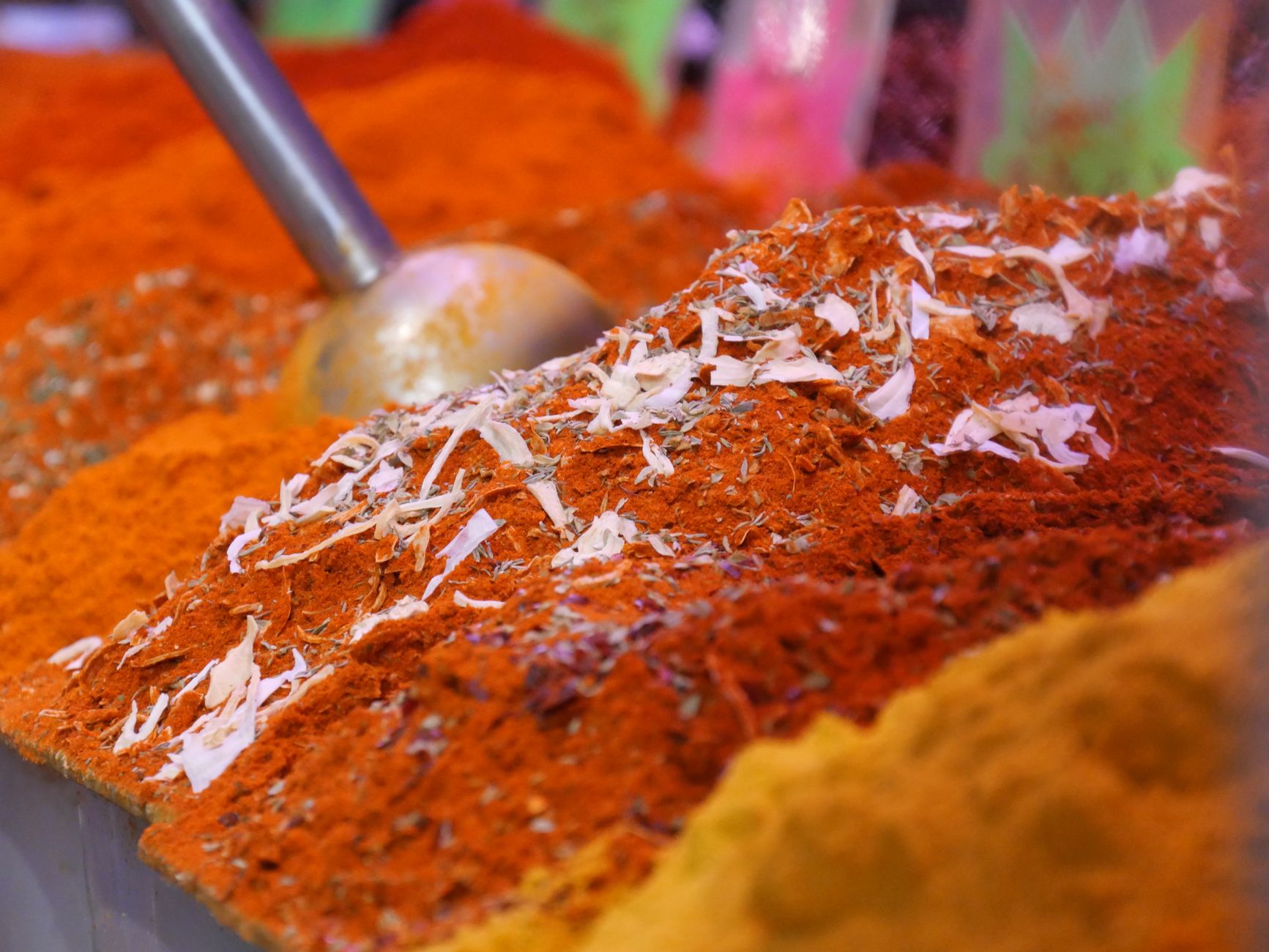
Paprika is more than just a colorful spice; it adds flavor, aroma, and visual appeal to a wide variety of dishes. With its origins in the Capsicum annuum pepper, paprika comes in various types and flavors, ranging from sweet to smoky. Understanding what paprika does in cooking can elevate your culinary creations and help you use this spice to its full potential.
This guide will explore the ingredients that make up paprika, its unique taste profiles, and its numerous culinary uses. Whether you are looking to spice up a simple meal or create a flavorful dish, knowing what paprika brings to the table can be transformative.
What Does Paprika Do?
Paprika serves several important functions in cooking. Primarily, it enhances flavor and adds color to dishes, but it can also contribute to aroma and texture. Depending on the type of paprika used, the specific benefits can vary significantly. Ultimately, paprika enriches your culinary experience, transforming everyday meals into exceptional dishes.
Types of Paprika
Paprika is available in various types, each with its distinct flavor, color, and heat levels. Understanding these differences can help you choose the right paprika for your dishes.
1. Sweet Paprika
This is the most common form of paprika, primarily made from sweet, bell-like peppers. Sweet paprika provides a mild, sweet flavor and is often used in Eastern European and Spanish cuisines. It is excellent for adding color without overwhelming heat.
2. Smoked Paprika
Also known as pimentón, smoked paprika is made from peppers that are dried and smoked over oak wood. This type of paprika imparts a rich, smoky flavor to dishes. It’s common in Spanish cuisine and can be used to enhance the flavor of meats, stews, and sauces.
3. Hot Paprika
Hot paprika is made from spicier varieties of peppers, providing a more intense heat level. This paprika is popular in Hungarian dishes and can add robust flavor and heat to soups, stews, and rubs.
4. Hungarian Paprika
This type can range from sweet to hot and is an essential ingredient in traditional Hungarian dishes like goulash. Hungarian paprika is known for its vibrant red color and complexity of flavor, often considered to be higher quality than other types.
5. Spanish Paprika
Similar to Hungarian paprika but typically sweeter, Spanish paprika is made from specific varieties of peppers grown in Spain. It can have varying levels of sweetness and heat, and it’s often used in dishes like paella and chorizo.
Taste Profile of Paprika
The taste profile of paprika can encompass a range of flavors depending on its type. Here are some common taste characteristics:
- Sweetness: Sweet paprika offers a mild and somewhat sweet flavor that enhances other ingredients without overpowering them.
- Smokiness: Smoked paprika adds a deep, earthy, and smoky flavor that complements meats and grilled foods.
- Heat: Hot paprika introduces a spicy kick, affecting the overall heat of a dish.
- Earthiness: Hungarian and Spanish paprikas bring slight earthy notes, enriching stews and sauces.
Culinary Uses of Paprika
Paprika can be used in various culinary applications, from seasoning to garnishing. Here are some notable uses:
1. Seasoning and Spice Blends
Paprika is a versatile seasoning that can be used alone or as part of spice blends. It complements garlic, onion, cumin, and chili powder, enhancing their flavors. Consider using paprika in:
- Rubs for meats and fish.
- Seasoned salt mixtures for roasted vegetables.
- Chili and curry powder blends.
2. Sauces and Soups
Paprika adds depth to sauces and soups. Whether you’re preparing a tomato sauce, a creamy sauce, or a savory soup, paprika provides a flavorful kick:
- Paprika is an essential ingredient in dishes like goulash, where it enhances the overall flavor profile.
- Add it to marinades to boost flavor in grilled or roasted meats.
- Mix it into classic sauces like romesco or aioli.
3. Color and Garnish
Paprika’s vibrant color can enhance the visual appeal of dishes. It’s commonly used as a garnish:
- Sprinkle it over deviled eggs or potato salads for a pop of color.
- Use it as a colorful dusting for finished dishes like paella or hummus.
4. In Spice-Centric Dishes
Traditional dishes that are centered around spice often rely on paprika for authenticity and flavor:
- Hungarian dishes like chicken paprikash thrive on the sweetness of paprika.
- Spanish dishes showcase paprika in chorizo, patatas bravas, and various stews.
5. Vegetable Dishes
Paprika pairs excellently with vegetables, whether roasted, grilled, or sautéed:
- Add paprika to roasted root vegetables to highlight their natural sweetness.
- Incorporate it into ratatouille or vegetable stir-fries for enhanced flavor.
How to Use Paprika in Cooking
To utilize paprika effectively, consider the following tips:
- Quantity: Use about 1 to 2 teaspoons of paprika per serving, adjusting to taste.
- Timing: To achieve the best flavor, add paprika early in the cooking process for developed depth, or stir it in at the end for a burst of freshness.
- Heat Application: Cooking paprika can intensify its flavors. For smokiness, add it to hot oil and cook briefly before adding other components.
Common Mistakes When Using Paprika
While paprika is straightforward to use, some common mistakes can affect the flavor:
- Using the wrong type: Each type of paprika has a distinct flavor. Ensure you use the one that suits your dish.
- Overheating: Paprika can burn quickly when exposed to high heat. Always add it towards the end of the cooking time, especially in high-heat applications.
- Using old paprika: Like all spices, paprika loses its potency over time. Store it in a cool, dark place and replace it every six months to retain flavor.
Storage and Shelf Life
Proper storage of paprika is essential for maintaining flavor and freshness. Here are useful storage tips:
- Keep paprika in an airtight container, away from direct sunlight, moisture, and heat sources.
- Name and date your spices to track their freshness and avoid using expired products.
- Cuts of peppers can be preserved in oil for added flavor, but this should be refrigerated and used within a week.
Substitutes for Paprika
If you find yourself out of paprika, you can consider some effective substitutes. Here’s a list of alternatives:
- Cayenne Pepper: Use half the amount of cayenne pepper in place of paprika for a spicier kick.
- Smoked Paprika: If you’re out of regular paprika, but need the smoky flavor, use smoked paprika. Adjust based on your taste preference.
- Chili Powder: Chili powder can work in a pinch but may add more heat. Start with a smaller amount and taste as you go.
Flavor Pairings with Paprika
Paprika works beautifully in conjunction with other flavors. Here are some pairings that well complement its taste:
- Garlic and Onion: These aromatics heighten the savory aspect of paprika.
- Cumin and Coriander: These spices provide warm undertones that work well in spice blends.
- Tomato: Tomato sauces and dishes blend seamlessly with the sweetness of paprika.
Using Paprika in Regional Cuisines
Paprika is integral to many regional cuisines, particularly in Europe. Here’s how different cultures utilize this spice:
1. Hungarian Cuisine
In Hungary, paprika is revered and featured prominently in dishes like goulash and pörkölt. It plays a critical role in their identification as a cuisine rich in flavors.
2. Spanish Cuisine
Spanish paprika, or pimentón, is key to many traditional Spanish dishes such as chorizo, sofrito, and patatas bravas. It’s essential for the smoky notes that define these meals.
3. Middle Eastern Cuisine
In some Middle Eastern dishes, paprika is combined with other spices to enhance dishes like stews and meat preparations, infusing them with warmth and color.
Conclusion
Paprika is an incredibly versatile spice that can enhance flavor, color, and aroma in various culinary applications. With its diverse varieties and unique taste profiles, it can complement a wide array of dishes. Understanding how to use paprika effectively can elevate your cooking from ordinary to extraordinary.
To further explore flavors in your cooking, consider learning about the unique aspects of saffron in your dishes or discovering the characteristics of chipotle peppers.