
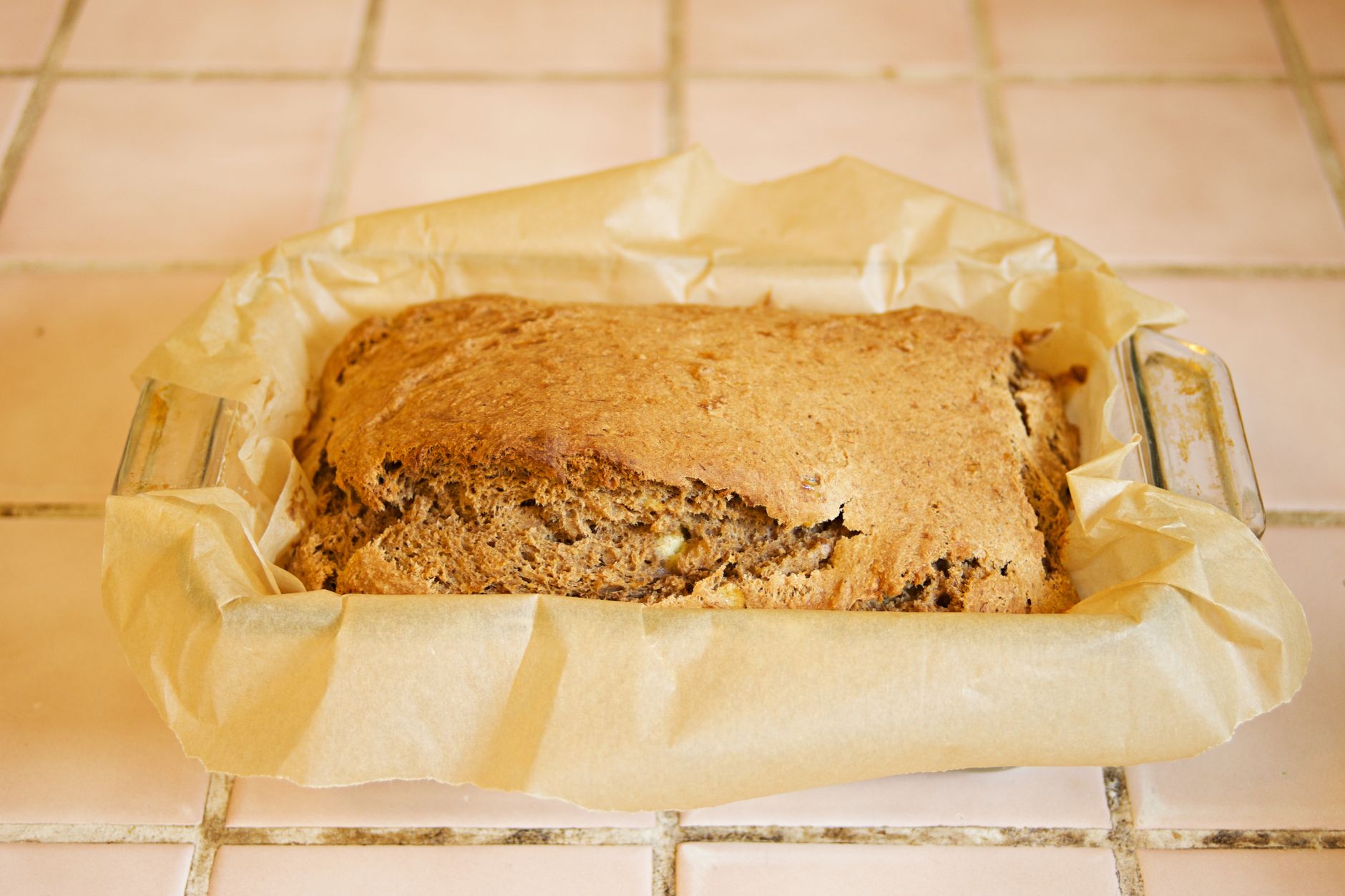
Banana bread is a beloved treat known for its moist, sweet, and comforting flavor. However, many home bakers may encounter the issue of dense banana bread, leaving them disappointed with their end result. Understanding why this happens can guide you in perfecting your recipe and achieving that light, fluffy texture that makes banana bread truly delightful.
This article explores the common causes of dense banana bread, offering tips and adjustments that can help you achieve the perfect loaf. From ingredient selection to baking techniques, we will cover everything you need to know to troubleshoot your dense banana bread.
Why Is My Banana Bread Dense?
A dense banana bread is often the result of improper ingredient ratios, mixing techniques, or baking conditions. Common culprits include too much flour, insufficient leavening agents, overmixing the batter, and even the ripeness of the bananas used. By identifying these potential pitfalls, you can ensure your banana bread has the ideal consistency.
Key Ingredients Impacting Density
The ingredients you use significantly affect the density of banana bread. Understanding their roles will help you make informed adjustments.
Bananas
Overripe bananas are ideal for banana bread. They provide sweetness and moisture. However, if you use bananas that are not ripe enough, the bread can be dense and lacking in flavor. Aim for bananas that are heavily speckled or fully brown for the best results.
Flour
The type and amount of flour used can greatly influence the density of your banana bread. Using too much flour can lead to a dry, dense texture. Always measure flour by weight for the most accurate results, or use the scoop-and-level method to avoid packing the flour into your measuring cup.
Leavening Agents
Baking soda and baking powder are essential for helping your banana bread rise and achieve a light texture. If your leavening agents are old or improperly mixed into the batter, the bread may not rise adequately, resulting in a dense loaf. Always check expiration dates and mix leavening agents well with the dry ingredients.
Wet Ingredients
The addition of liquids—such as eggs, milk, or yogurt—plays a crucial role in the overall moisture and texture of banana bread. Insufficient liquid can contribute to a denser result, while too much can make it soggy. Ensure you follow the recipe closely when adding wet ingredients.
Baking Techniques to Avoid Density
Even with the right ingredients, improper techniques during preparation can result in a dense loaf of banana bread. Here are some common baking practices to watch out for:
Overmixing the Batter
When combining ingredients, it’s essential to mix just until everything is incorporated. Overmixing can develop gluten in the flour, which leads to a dense and tough texture. Use a gentle folding motion to combine wet and dry ingredients effectively.
Incorrect Oven Temperature
Baking banana bread at the wrong temperature can also affect its density. An oven that’s too hot can cause the outside to bake before the inside has a chance to rise, leading to a dense center. An oven thermometer can help you ensure your oven is at the correct temperature—usually about 350°F (175°C) for banana bread.
Pan Size and Material
The size and material of your baking pan can influence how your banana bread bakes. A dark, non-stick pan may cause the sides to cook and brown too quickly, while a glass pan may require longer baking times. For best results, use a standard-sized loaf pan, typically 8.5 x 4.5 inches, and adjust cooking times based on the material.
Common Mistakes Leading to Dense Banana Bread
Awareness of common mistakes can help you avoid dense banana bread. Here are some pitfalls to be mindful of:
Using Inadequate Ripeness of Bananas
As previously mentioned, under-ripened bananas can lead to denser banana bread. Avoid using bananas that are just slightly yellow; they should be overripe, with lots of brown spots for optimal sweetness and moisture.
Not Measuring Ingredients Correctly
Accurate measurements are crucial in baking. Using a scale can ensure proper amounts of flour and sugar. When measuring by volume, always scoop flour into your measuring cup and level it off without packing it down, as packing will lead to excess flour and a dense result.
Neglecting to Preheat the Oven
Skimping on preheating the oven can lead to uneven baking. Always preheat your oven for at least 10-15 minutes before placing your banana bread in it to allow even rising and cooking.
Tips to Achieve Light and Fluffy Banana Bread
Now that you understand the underlying causes of dense banana bread, here are actionable tips to ensure a successful loaf:
Consider Ingredient Substitutions
Experimenting with ingredients can yield different textures. For example, substituting yogurt or sour cream for some of the fat (like butter or oil) can create a moisture-rich loaf. However, note that these swaps may slightly alter the flavor.
Mix Ingredients Less
When preparing the batter, mix just until combined. It may be slightly lumpy, and that’s perfectly fine—a sign that gluten development has been minimized, leading to a softer texture.
Chill Your Ingredients
Using slightly chilled ingredients can aid in achieving a better rise. If you use cold eggs or melted butter, consider letting them sit at room temperature for a little while before use, which can help with aeration.
Test for Doneness Properly
To check if your banana bread is fully cooked, insert a toothpick or a knife into the center. It should come out clean or with a few moist crumbs. If the center seems wet or sticky, continue baking, checking every few minutes until done.
Variations of Banana Bread
Once you nail the perfect banana bread consistency, consider trying variations to enhance flavor and texture:
Nutty Banana Bread
Add walnuts, pecans, or almond slices to introduce a contrasting texture and additional flavor profile. A good rule of thumb is to add about 1 cup of chopped nuts to your batter.
Chocolate Chip Banana Bread
Chocolate chips pair delightfully with banana bread. Mixing in about 1 cup of semi-sweet or dark chocolate chips not only adds sweetness but also creates a rich, decadent treat.
Spiced Banana Bread
Incorporate spices like cinnamon, nutmeg, or even pumpkin spice to give your banana bread a warm flavor profile. About 1 teaspoon of cinnamon or a mix of spices can elevate the dish significantly.
Storage Tips for Banana Bread
Proper storage will help maintain the freshness of your banana bread. Here are some practical storage methods:
Room Temperature Storage
Place your banana bread in an airtight container, lined with parchment paper to absorb excess moisture. It can last at room temperature for about 3 days.
Freezing for Longevity
If you want to preserve banana bread for a more extended period, consider freezing it. Wrap the cooled loaf tightly in plastic wrap, and then place it in a freezer bag. It can be stored for up to 3 months. Thaw it at room temperature for a few hours before serving.
Reheating Banana Bread
If you’ve frozen or stored banana bread, reheating it properly can revive some of its original moistness:
Mild Reheat in the Oven
Preheat your oven to 350°F (175°C) and place the loaf directly on the rack for about 10-15 minutes. Avoid overbaking it to maintain moisture.
Microwave Quick Warm-Up
For a quick method, place a slice in the microwave for about 10-20 seconds, using a microwave-safe plate and covering it with a damp paper towel to retain moisture. This method is fast, but be cautious, as too much time can make it rubbery.
Common Banana Bread FAQs
Here are answers to some frequently asked questions about banana bread that may help clarify any lingering doubts:
What should I do if my banana bread is too dense?
If your banana bread is dense, review your measurement practices and ensure you follow mixing instructions to prevent developing too much gluten. Also, verify the ripeness of your bananas and the freshness of your leavening agents.
Can I use frozen bananas in my banana bread?
Yes, frozen bananas work well in banana bread. Simply thaw them and drain excess liquid before mashing. Frozen bananas may be even sweeter and more flavorful than fresh when used in baking.
How can I add more flavor to my banana bread without adding density?
Using extracts like vanilla or almond can enhance flavor without increasing density. Add about 1 teaspoon of extract to your wet ingredients for good results.
By understanding the causes and solutions for dense banana bread, you can elevate your baking skills and enjoy delicious, fluffy loaves. Focus on the right ingredients, mix with care, and consider the overall techniques you use in the kitchen.
Now that you have the tools to create delightful banana bread, why not explore more related tips? You might find our guidance on how to store banana bread useful, or check out a banana bread recipe with oil for a different take. Happy baking!