
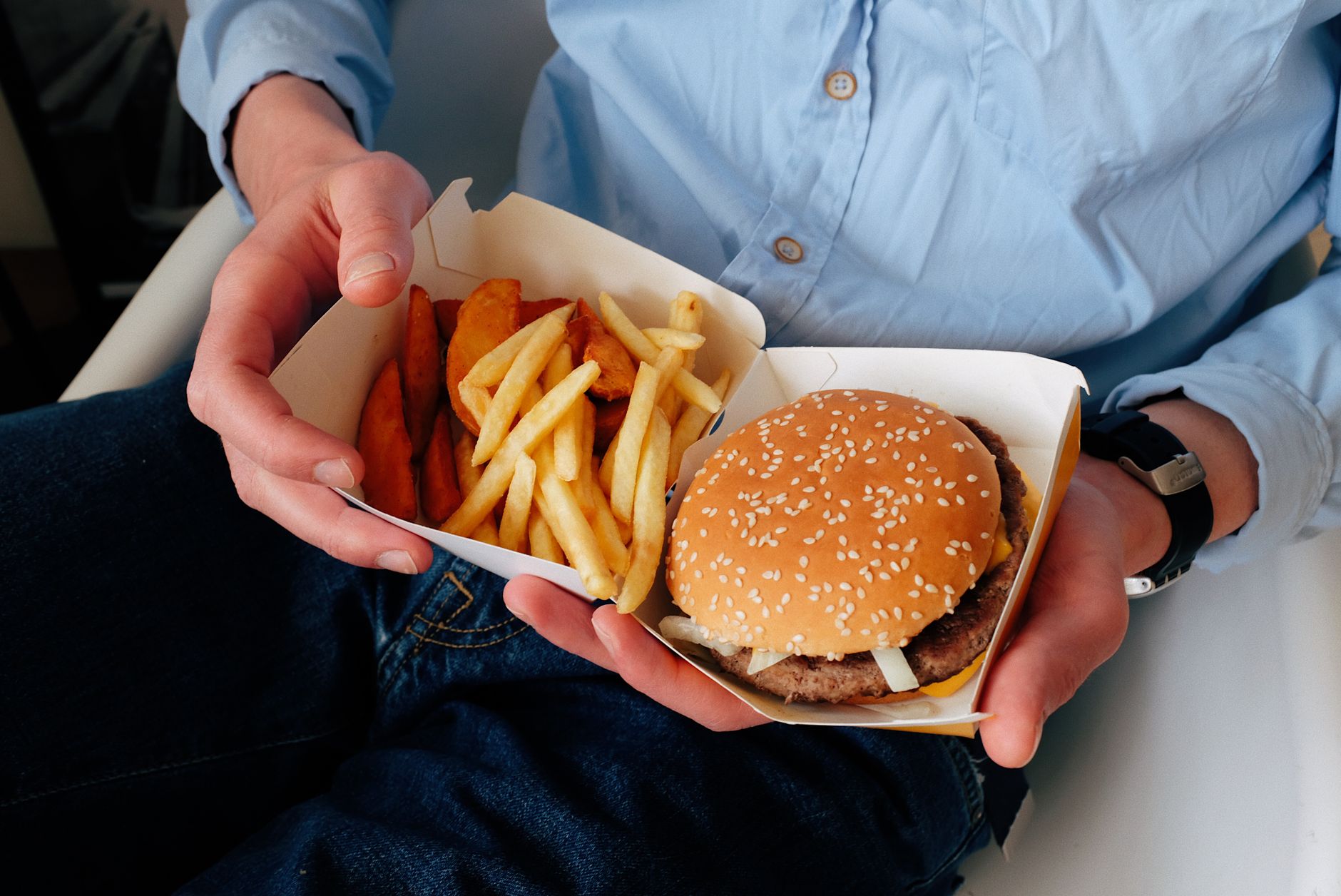
Fast food has become an integral part of modern dining, beloved for its convenience, affordability, and variety. With countless options available, many consumers are often curious about which fast food restaurant reigns supreme in popularity. Understanding what makes a fast food chain so appealing can help you make informed dining choices.
This exploration dives into what makes certain fast food establishments stand out, metrics of popularity, notable menu items, and how these establishments resonate with consumers globally.
What Is the Most Popular Fast Food Restaurant?
As of now, the most popular fast food restaurant is McDonald’s, well-known for its iconic Golden Arches, extensive menu, and global reach. McDonald’s consistently ranks at the forefront due to its widely recognizable branding and a variety of offerings appealing to a broad audience.
The Cultural Impact of Fast Food
Fast food isn’t just about quick meals; it reflects changing lifestyles, urbanization, and increasing consumer demand for convenience. As cities expand and lifestyles become busier, fast food has met the need for quick, satisfying meals on the go. The success of these chains often lies in their ability to adapt to different cultures while maintaining their core offerings.
The Growth of Fast Food Chains
From humble beginnings, fast food chains have evolved into global empires. For instance, McDonald’s first opened its doors in 1940 in San Bernardino, California, and has since expanded to over 38,000 locations worldwide. The strategy often involves localizing menu items to cater to regional tastes, which greatly boosts their appeal.
Popular Menu Items Influencing Sales
Menu diversity also contributes significantly to a restaurant’s popularity. Iconic dishes become synonymous with the brand, often driving customer loyalty. Here are some examples:
- Big Mac: A classic burger featuring two beef patties, lettuce, cheese, pickles, onions, and special sauce.
- French Fries: Renowned for their distinctive flavor and texture, making them a go-to side with any meal.
- Happy Meal: Targeted towards children, including a toy that enhances the dining experience for families.
McDonald’s vs. Competitors
While McDonald’s remains the most popular, it faces stiff competition from other chains. Understanding these competitors helps to paint a complete picture of the fast food landscape:
1. Chick-fil-A
Chick-fil-A has rapidly risen in popularity, famed for its chicken sandwiches and exceptional customer service. It has garnered a loyal fan base, particularly in the United States. The chain’s commitment to quality ingredients and community engagement has allowed it to thrive against larger rivals.
2. Taco Bell
An industry player known for its Mexican-inspired offerings, Taco Bell connects particularly well with younger consumers who appreciate its innovative menu and late-night hours. Menu items such as the Crunchwrap Supreme and various value meal options cater to budget-conscious diners.
3. Wendy’s
With a focus on fresh, never frozen beef and a distinctive square patty design, Wendy’s carves out its niche in the fast food market. Its witty social media presence and value menu also boost its popularity.
Factors that Contribute to Popularity
Several key factors elevate fast food chains to popularity:
Brand Recognition
Iconic logos, catchy slogans, and recognizable menu items help strengthen brand identity. McDonald’s Golden Arches, for instance, are nearly universally recognized, making it a top-of-mind choice for consumers seeking fast food.
Menu Variety and Innovation
Offering a diverse menu that includes both classic dishes and new items allows fast food chains to appeal to various customers. Seasonal offerings and limited-time promotions often attract repeat customers eager to try something new.
Value for Money
With tight budgets for many consumers, value menus offering substantial portions at lower prices significantly boost sales. Fast food outlets often promote specific meal deals, making it easier for customers to indulge without overspending.
Customer Experience
Attention to customer service can enhance the overall dining experience. Chains like Chick-fil-A excel in creating friendly and efficient service, contributing to customer loyalty and repeat visits.
Marketing Campaigns
Sophisticated marketing strategies, including collaborations with celebrities, interactive campaigns, and social media outreach, ensure that fast food brands remain visible and relevant in a crowded marketplace.
Regional Variations and Global Reach
Fast food chains often adapt their menus to accommodate regional tastes, which can drastically vary across countries. Understanding these variations can deepen appreciation for international cuisine.
Menu Adaptations Around the World
- McDonald’s: In India, McDonald’s offers the McAloo Tikki, a potato-based burger catering to vegetarian customers.
- Taco Bell: In Mexico, specific items are tailored to local preferences, such as the “Taco de Carnitas” which incorporates traditional flavors.
- KFC: Known for its chicken, in Japan, KFC is often associated with Christmas dinners and offers unique items like fried chicken in different flavored coatings.
Fast Food Trends and Health Considerations
In recent years, there’s been a growing focus on health and nutrition within the fast food industry. Many chains now offer healthier options to cater to changing consumer preferences.
Healthier Menu Options
Fast food restaurants increasingly incorporate salads, fruit, and lower-calorie items into their menus to meet the demands of health-conscious consumers. For example, McDonald’s has introduced salads and fruit cups, while Chick-fil-A offers grilled chicken sandwiches as a lighter alternative.
The Rise of Plant-Based Offerings
In response to the rising popularity of plant-based diets, many fast food chains have introduced meat alternatives. Items like the Beyond Burger at Burger King have become a hit, allowing those who prefer vegetarian or vegan diets access to fast food options.
Common Misconceptions About Fast Food
Fast food often faces criticism regarding its nutritional value and overall health impact. Addressing these misconceptions can help consumers make informed choices.
Fast Food Is Always Unhealthy
While some fast food options can be high in calories, fat, and sodium, many chains now provide healthier alternatives. Customers can choose meals that are balanced and nutritious based on their dietary needs.
Fast Food Is Expensive
Contrary to popular belief, fast food can be budget-friendly, especially when utilizing value menus and meal deals. By approaching fast food with a mindful strategy, consumers can enjoy affordable meals.
Challenges Facing Fast Food Chains
Despite their popularity, fast food chains must navigate various challenges:
Supply Chain Issues
Global supply chain disruptions due to unforeseen factors, such as pandemics or political tension, can directly impact menu availability and inflation in food costs, forcing restaurants to adapt quickly.
Competition and Market Saturation
The fast food industry is highly competitive, with numerous brands vying for customer attention. Successful chains must consistently innovate to maintain consumer interest while battling economic factors that may deter spending.
Future Outlook for Fast Food Restaurants
The future of fast food holds promise, but it will be shaped by consumer preferences for healthier, more sustainable dining options. Chains must continue evolving their offerings and marketing strategies to remain relevant.
Technological Advances
Many fast food restaurants are investing in technology to improve the customer experience. Drive-thru innovations, mobile apps, and delivery services are becoming standard, enhancing convenience and portending further industry evolution.
Sustainability Initiatives
With increasing awareness regarding environmental impact, many brands are adopting sustainable practices, including eco-friendly packaging, responsible sourcing, and waste reduction efforts. This trend is likely to shape consumer loyalty and purchasing choices moving forward.
Final Thoughts
As we’ve explored, the landscape of popular fast food restaurants is ever-changing, influenced by market demands, cultural nuances, and evolving consumer behavior. McDonald’s continues to lead the pack through its innovative practices, paired with a robust global presence. However, competitors like Chick-fil-A and Taco Bell offer formidable challenges to the status quo.
For your next dining decision, consider how these factors resonate with your preferences and needs. Whether you’re seeking quick comfort food or healthier options, the fast food world holds something for everyone.
Explore further to enhance your culinary adventures, or consider trying a Chick-fil-A chicken sandwich or a Taco Bell meal to compare at home!