
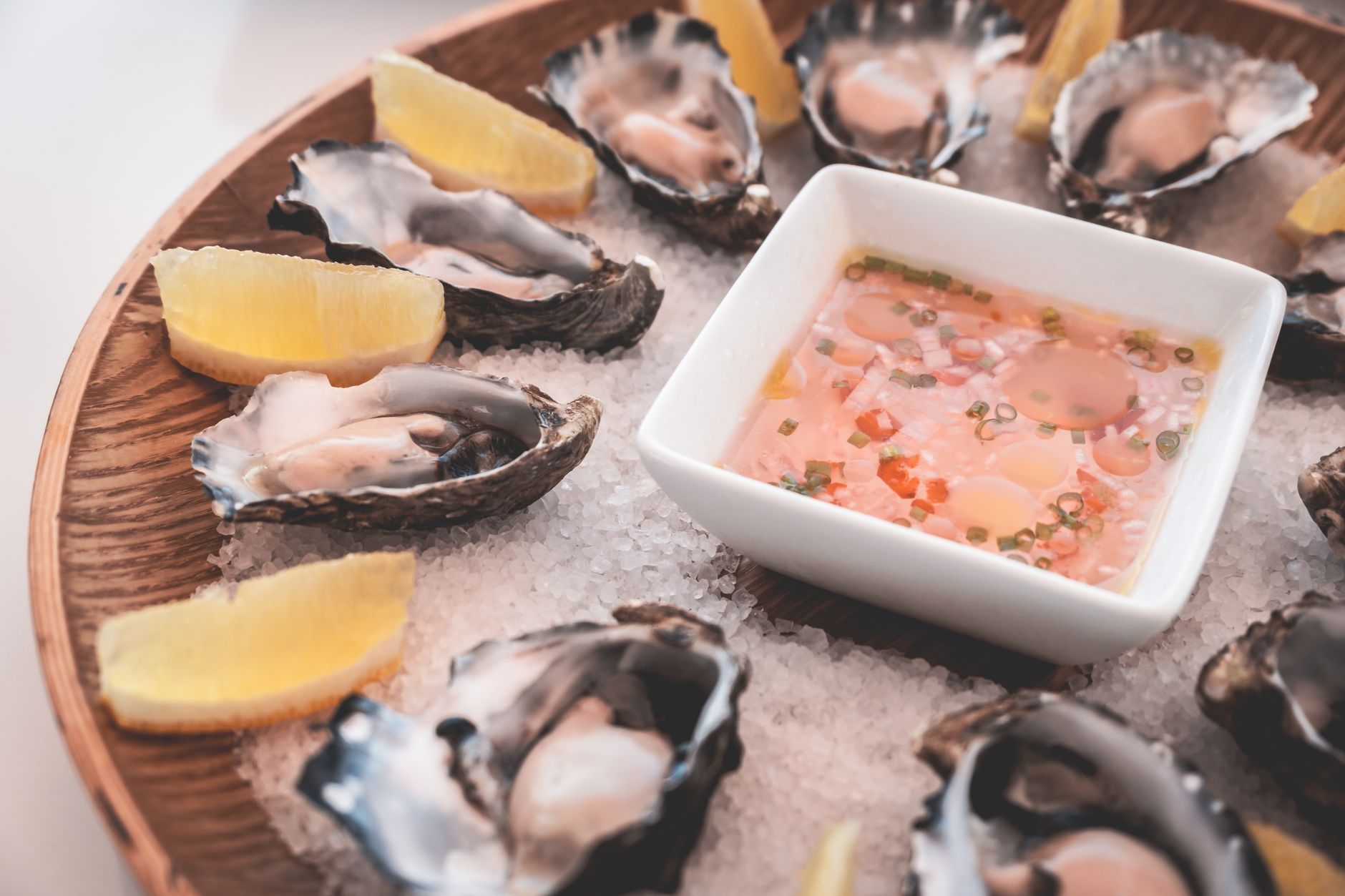
Mignonette is a classic condiment traditionally served with oysters, enhancing their natural flavors with its bright and tangy notes. It consists mainly of shallots, vinegar, and black pepper. This article delves into the ingredients, flavor profile, and various serving suggestions for mignonette.
Understanding mignonette’s preparation and its role in elevating seafood dishes is essential for seafood lovers and home cooks alike. Whether you’re hosting a dinner party or planning a special meal, knowing how to make and serve mignonette will be a delightful addition to your culinary repertoire.
What Is Mignonette?
Mignonette is a cold sauce made from finely chopped shallots (or sometimes onions), vinegar, and freshly cracked black pepper. It originated in France and is primarily associated with oysters, where it brightens the dish and adds a layer of complexity. The term “mignonette” itself derives from the French word for “small,” referring to the finely diced ingredients that comprise the sauce.
Key Ingredients of Mignonette
The primary components of a traditional mignonette include:
- Shallots: These mild onions are used for their delicately sweet flavor. They impart a subtle complexity to the sauce.
- Vinegar: Typically, red wine vinegar or Champagne vinegar is used, providing the needed acidity. You can experiment with other types, but stick to vinegar as the base.
- Black Pepper: Freshly cracked black pepper adds heat and depth to the condiment, balancing the sweetness of the shallots.
Common Variations
While the traditional recipe remains popular, there are several variations to suit different taste preferences:
- Citrus Mignonette: Adds citrus juices like lemon or lime for a refreshing twist.
- Herbed Mignonette: Incorporates fresh herbs such as parsley or dill for added freshness.
- Spicy Mignonette: Infuses the mixture with chili flakes or diced jalapeños for those who enjoy a kick.
Flavor Profile of Mignonette
Mignonette boasts a balanced flavor profile that highlights acidity, sweetness, and a hint of heat. The acidity from the vinegar pairs perfectly with the briny, creamy texture of oysters, while the aromatic shallots provide depth. The black pepper adds a warming spice that elevates the overall experience. Together, these elements enhance the seafood without overpowering its natural flavors.
How to Make Mignonette
Preparation time for mignonette is minimal, making it an easy addition to any seafood spread. Here’s a simple recipe you can try at home.
Yield:
About 1 cup of mignonette, serving 4-6 people.
Preparation Time:
10 minutes
Ingredients:
- 1/2 cup finely chopped shallots
- 1/2 cup red wine vinegar (or Champagne vinegar)
- 1/2 teaspoon freshly cracked black pepper
- Salt to taste (optional)
Essential Equipment:
- Chopping board
- Knife
- Mixing bowl
- Whisk or spoon for mixing
Method:
- Finely chop the shallots and place them in a mixing bowl.
- Add the vinegar, stirring to combine.
- Sprinkle in the freshly cracked black pepper and salt if using, mixing until well incorporated.
- Allow the mignonette to sit for at least 10 minutes before serving to let the flavors meld.
Common Mistakes to Avoid
When making mignonette, keep these tips in mind to avoid common pitfalls:
- Using pre-minced garlic: Fresh shallots or onions are critical; pre-minced variants lack the flavor.
- Neglecting to let it sit: Allowing the sauce to rest empowers the flavors to blend together effectively.
- Over-seasoning: Start with less salt and black pepper; you can always adjust later.
How to Serve Mignonette
Traditionally, mignonette complements oysters, but its uses extend beyond that. Here are several ways you can serve it:
Pairing with Oysters
When serving with oysters, offer small dishes of mignonette alongside a plate of oysters on the half shell. Provide cocktail forks for easy picking. The bright acidity of the mignonette contrasts beautifully with the creamy texture of the oysters.
Accompanying Other Seafood
Mignonette can also serve as a dipping sauce for other seafood, such as shrimp, crab, or fish. Drizzle it lightly over grilled fish or seafood salads to add a touch of sophistication.
As a Salad Dressing
Using mignonette as a salad dressing is another clever application. Its bright flavor can transform a simple green salad or a potato salad. Mix in additional ingredients like olive oil or Dijon mustard to round it out if desired.
For Vegetables
Drizzle mignonette over roasted or grilled vegetables to brighten their flavor. The acidity will elevate the dish, making it more dynamic and intriguing.
Make-Ahead Tips
Mignonette can be prepared in advance, making it handy for gatherings or special meals. Here are some storage guidelines:
- Refrigeration: Store in an airtight container in the refrigerator for up to one week.
- Flavor Development: The flavors will continue to develop over time, so making it a day or two in advance can enhance its taste.
- Separation: If left to sit for longer, the ingredients might separate. Give it a gentle stir before serving.
Storage and Reheating Guidance
As a condiment, mignonette does not require reheating and is best served cold or at room temperature. If you are making variations that include perishable elements (such as diced avocado or other fresh produce), store them for shorter durations, typically within 1-2 days.
Substitutions and Variations
You can easily swap out certain ingredients without compromising the integrity of the sauce. However, it is essential to consider how these substitutions might affect the overall flavor and texture:
- Shallots: Substitute with onions for a sharper flavor, or scallions for a milder taste.
- Vinegar: Experiment with apple cider vinegar for sweetness or white wine vinegar for a crisper note.
- Black Pepper: Use white pepper for a milder taste or try adding a hint of cayenne for additional heat.
Common Questions about Mignonette
Can I use mignonette with other seafood besides oysters?
Yes, mignonette works beautifully with various seafood, including shrimp, crabs, and grilled fish. Its acidity complements many seafood dishes.
How long can I store mignonette?
Mignonette can be stored in an airtight container in the refrigerator for up to one week. For best flavor, consume it within this period.
Conclusion
Mignonette is a delightful and straightforward condiment that enhances the enjoyment of seafood, particularly oysters. Its simple ingredients create a flavor profile that celebrates the natural taste of the sea. By mastering this condiment, you can introduce a new dimension to your meals and impress your guests.
If you’re interested in expanding your culinary knowledge, you can explore related topics such as ingredient substitutions like what can you substitute for Worcestershire sauce or what is a substitute for vanilla extract. Each resource provides valuable insights and can enhance your cooking experience.