
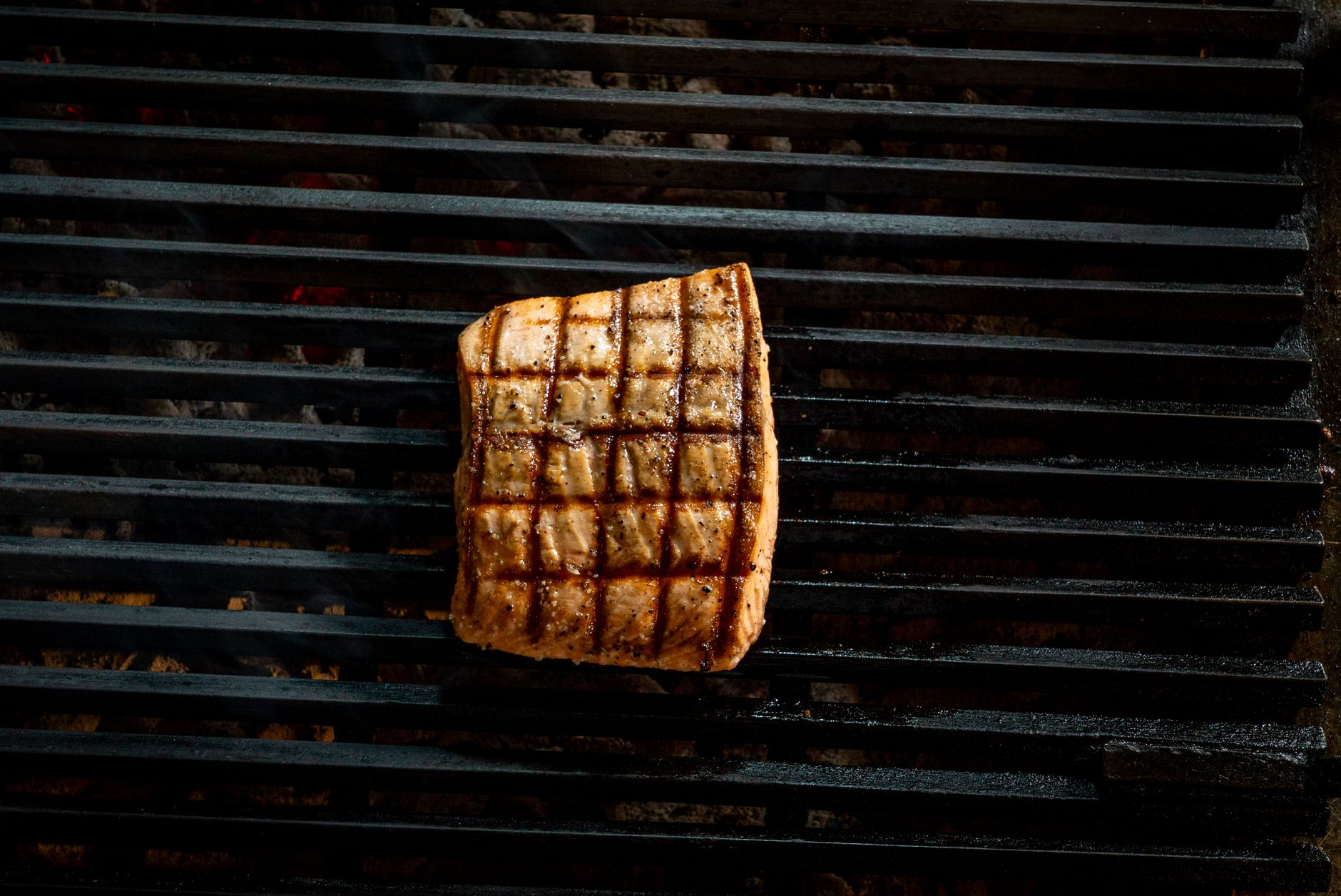
Salmon is a versatile fish, beloved for its rich flavor and tender texture. Choosing the right seasoning can elevate your salmon dish from good to extraordinary. Understanding which seasonings work best and how to use them effectively is key to enhancing the natural qualities of this magnificent fish.
This guide explores the best seasonings for salmon, including various methods of application and timing for maximum flavor impact. Whether you prefer bold and spicy notes or subtle herbaceous accents, there’s a seasoning profile that will complement your salmon beautifully.
What the Best Seasoning to Use on Salmon?
The best seasoning for salmon typically includes a mix of herbs, spices, and condiments that enhance its natural flavor without overpowering it. Some of the most popular options are lemon, garlic, dill, and soy sauce, all known for bringing out the fish’s rich and savory qualities. The key is to balance the seasoning with the cooking method you choose.
Understanding Salmon: Flavor and Texture
Before discussing seasonings, it’s important to understand the flavor profile and texture of salmon. Wild salmon generally has a stronger, more robust flavor, while farmed salmon tends to be milder and fattier. This variation allows for different seasoning approaches, often differing by the type of salmon.
Flavors of Different Salmon Types
- Chinook (King) Salmon: Rich and buttery, it benefits from lighter seasonings like lemon and dill.
- Coho Salmon: Medium-rich with a slightly firmer texture, coho works well with both sweet and savory seasonings.
- Sockeye Salmon: Bold and full-flavored, sockeye pairs wonderfully with spicy or strong herb seasonings.
- Pink Salmon: Mild and delicate, it works best with subtle flavors like garlic and herbs.
Basic Seasoning Options
There are several seasoning profiles that work exceptionally well with salmon. The following options can be used alone or combined to create a unique flavor profile for your dish.
1. Classic Lemon and Herb
This light and fresh combination highlights salmon’s natural flavors.
- 1 tablespoon olive oil
- 2 tablespoons fresh lemon juice
- 1 teaspoon garlic powder or 2 cloves fresh garlic, minced
- 1 tablespoon fresh dill or parsley, chopped
- Salt and pepper to taste
2. Garlic Butter
The richness of butter paired with garlic adds depth to the flavor.
- 1/2 cup unsalted butter, melted
- 4 cloves garlic, minced
- 1 tablespoon fresh parsley, chopped
- Salt to taste
3. Maple Soy Marinade
This sweet and savory marinade adds a delightful glaze.
- 1/4 cup soy sauce
- 2 tablespoons pure maple syrup
- 1 tablespoon rice vinegar or apple cider vinegar
- 1 clove garlic, minced
- 1 teaspoon ginger, grated (optional)
4. Spice Rub
A spice rub can add a punch of flavor. A simple rub can consist of:
- 1 tablespoon paprika
- 1 teaspoon cayenne pepper (adjust for heat)
- 1 teaspoon garlic powder
- 1 teaspoon brown sugar
- Salt and pepper to taste
Best Methods to Season Salmon
The way you apply your seasoning can vary based on your cooking method. Here are some popular methods for seasoning salmon and ensuring the flavors are absorbed effectively.
1. Marinating
Marinating salmon is an excellent way to infuse flavors. Consider marinating for at least 30 minutes and up to 8 hours, depending on the intensity of the marinade. Here’s how to do it:
- Combine your marinade ingredients in a bowl or a resealable plastic bag.
- Add the salmon fillets, ensuring they are well-coated.
- Seal the bag or cover the bowl and refrigerate.
- Remove from the marinade, pat dry, and cook as desired.
2. Dry Rub Application
For a dry rub, sprinkle the seasoning mixture on the salmon fillets first. This method is ideal for grilling or roasting. Here’s how to apply it:
- Pat the salmon fillets dry with paper towels.
- Evenly sprinkle the dry rub over both sides of the fillets.
- Allow to sit for about 15 minutes before cooking to let the flavors absorb.
3. Using a Glaze During Cooking
If you prefer a glaze, brush the mixture over the salmon while cooking. This method is perfect for baking. Here’s the breakdown:
- Preheat the oven to 375°F (190°C).
- Place salmon on a lined baking sheet.
- Apply the glaze generously on top of the salmon.
- Bake for 15-20 minutes, brushing with additional glaze halfway through cooking.
Timing: When to Season Salmon
Timing your seasoning application is crucial for optimal flavor enhancement. Here’s a breakdown of the ideal timing for each method:
Marinating
Marinate salmon for a minimum of 30 minutes. Longer marinating times, up to 8 hours, allow the flavors to penetrate the fish. However, avoid over-marinating, as the acid can begin to cook the salmon, leading to a mushy texture.
Dry Rubs
Apply dry rubs 15 to 30 minutes before cooking. This brief period allows the flavors to adhere to the salmon without altering its texture. If you need more flavor, you could prepare it a couple of hours prior for more intense taste but monitor the moisture.
Glazing
For glazes, apply during the final few minutes of cooking to prevent burning. Begin by cooking the salmon through and then add the glaze for the last 5-7 minutes, allowing it to caramelize slightly and form a glossy finish.
Common Mistakes to Avoid When Seasoning Salmon
While seasoning salmon seems straightforward, there are common pitfalls that can negatively impact your dish. Here are some mistakes to watch out for:
1. Over-seasoning
Using too much seasoning can overpower the fish. Start with smaller amounts, taste, and adjust as necessary.
2. Ignoring Freshness
Using old spices or herbs diminishes flavor. Always use fresh ingredients for the best results.
3. Not Considering Cooking Method
Different cooking methods can change how flavors are absorbed. Remember to adjust your seasoning application based on what method you are using.
Serving Suggestions for Seasoned Salmon
Once seasoned and cooked, you’ll want to serve your salmon in a way that complements its rich flavors. Here are some serving ideas:
- Serve over a bed of quinoa or rice with steamed vegetables.
- Flake the salmon over fresh salad greens topped with a citrus vinaigrette.
- Pair with roasted sweet potatoes or garlic mashed potatoes for a hearty meal.
- Include a dipping sauce, such as tzatziki or a lemon caper sauce, for added zing.
Storage and Reheating of Seasoned Salmon
If you have leftover seasoned salmon, proper storage is key to maintaining quality:
Storage
Cool the salmon to room temperature, then transfer to an airtight container. It can be stored in the refrigerator for up to 3 days.
Reheating
To reheat salmon, do so gently to avoid drying it out. Consider the following method:
- Preheat your oven to 275°F (135°C).
- Cover the salmon with foil.
- Heat for 15 minutes or until warmed through.
Creative Variations to Explore
Beyond the classic options discussed, here are a few creative variations you might enjoy:
- Add a touch of heat with chili flakes or hot sauce in marinades or rubs.
- Experience the flavor of the Mediterranean by incorporating olives and capers.
- Experiment with different citrus like orange or lime in seasoning blends for a twist.
Salmon is a diverse canvas for culinary exploration, and the right seasoning can make it shine. Adjusting to your flavor preferences and considering the preparation methods will give you a salmon dish that’s both delicious and memorable.
Explore further by checking out our guide on how to tell if salmon is bad and try our delicious salmon loaf recipe for a unique twist on this tasty fish.