
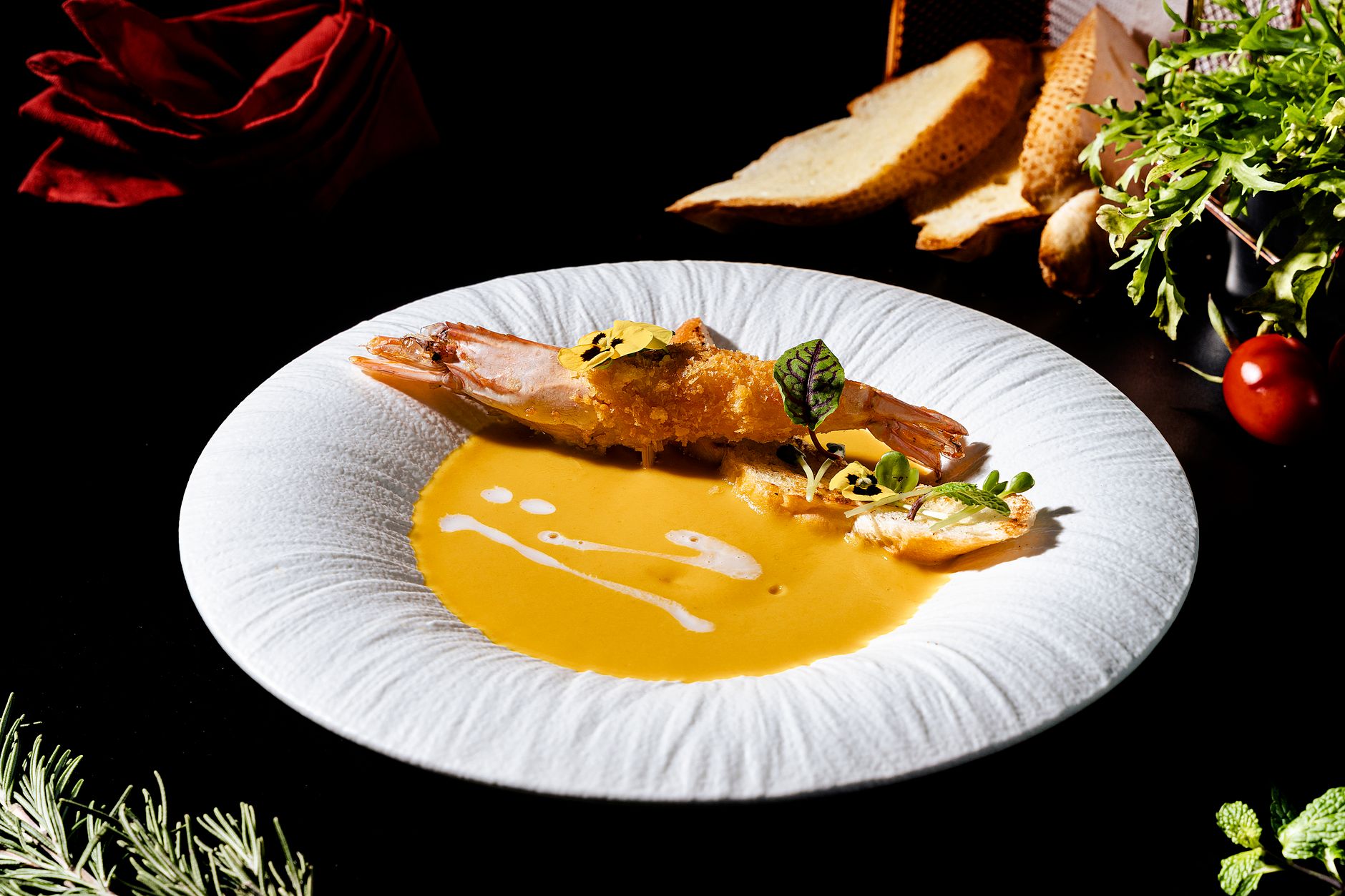
Bisque holds a special place in culinary history as a rich, creamy soup traditionally made from seafood, particularly crustaceans like lobster, crab, or shrimp. The exquisite depth of flavor and velvety texture make bisque a beloved dish in both home kitchens and fine dining establishments.
Understanding what bisque means requires delving into its origins, its evolution throughout food history, and the various traditions associated with this delectable soup. Whether you’re interested in its preparation or eager to explore unique variations, this guide will equip you with valuable insights about bisque.
What Does Bisque Mean?
Bisque refers to a smooth and creamy soup that originated in France, typically made with seafood stock, cream, and additional flavorings. The term is also associated with a specific preparation method involving the intensive extraction of flavors from the base ingredients, resulting in a luxurious and refined dish.
Traditionally, bisque is thickened with rice or a roux, giving it a distinctive body and texture. Sharing its root in the French word “bisque,” meaning a thick soup, this dish has captivated food lovers worldwide for its rich taste and elegant presentation.
The Origins of Bisque
The origins of bisque can be traced back to the coastal regions of France, where seafood was abundant. It is believed that fishermen created the soup as a means to utilize leftover shells and scraps of their catch, combining them with aromatics to create a hearty dish.
Although the exact timeline is not clear, bisque has been a part of French cuisine since at least the 17th century. By the time culinary authorities like Auguste Escoffier compiled their timeless recipes, bisque had emerged as an essential dish, reflecting the refinement and sophistication associated with French gastronomy.
Food History & Evolution
Initially, bisque was characterized by a connection to crab or lobster, showcasing the seafood’s flavourful essence. As culinary practices evolved, chefs began to experiment with ingredients outside of the original seafood bases. As a result, bisque now encompasses a variety of versions, ranging from vegetable bisques to those infused with unique flavours like butternut squash or roasted red pepper.
Bisque’s transformation mirror the changes in culinary techniques and ingredient availability. For instance, the introduction of modern cooking technology has made it easier for chefs to achieve the creamy consistency that defines bisque without relying solely on traditional methods.
Classic Bisque Ingredients
The foundational ingredients in a classic bisque include:
- Shellfish or Seafood: Commonly used ingredients are lobster, crab, or shrimp, providing the essential flavor profile.
- Aromatics: Ingredients such as onion, carrot, celery, and garlic form the aromatic base, enhancing the overall flavor.
- Tomato Paste: This ingredient adds depth and complexity of flavour, with a hint of acidity to balance the richness.
- Rice: Used for thickening, rice contributes to the soup’s creamy texture as it cooks down.
- Stock: Homemade seafood stock or broth is key to achieving a robust flavor.
- Cream: Heavy cream is often added at the end to provide the characteristic richness associated with bisque.
- Herbs and Spices: Fresh herbs like thyme or bay leaves, along with seasonings like cayenne pepper, are often used for added flavor.
How to Make a Classic Seafood Bisque
Making bisque involves several key steps to capture the full essence of the ingredients. Here’s a detailed guide to creating a classic seafood bisque:
Yield
This recipe yields approximately 6 servings.
Preparation Time
About 30 minutes.
Cooking Time
About 1 hour.
Total Time
Approximately 1 hour and 30 minutes.
Ingredients
- 1 lb lobster shells or other shellfish shells
- 1 medium onion, diced
- 1 carrot, diced
- 1 celery stalk, diced
- 2 cloves garlic, minced
- 2 tablespoons tomato paste
- 1/2 cup white wine
- 4 cups seafood stock
- 1/4 cup uncooked rice
- 1 cup heavy cream
- 2 tablespoons olive oil
- 1 teaspoon dried thyme
- Salt and pepper, to taste
- Chopped fresh chives or parsley for garnish
Essential Equipment
- Large stockpot
- Saucepan
- Blender or immersion blender
- Sieve or fine mesh strainer
- Wooden spoon
- Measuring cups and spoons
Step-by-Step Method
- In a large stockpot, heat the olive oil over medium heat. Add the diced onions, carrot, celery, and garlic. Sauté until the vegetables are softened, about 5-7 minutes.
- Stir in the tomato paste and cook for another 2 minutes, allowing it to caramelize slightly.
- Add the lobster shells or shellfish shells, then pour in the white wine. Deglaze the pot by scraping any browned bits from the bottom. Cook for an additional 5 minutes.
- Pour in the seafood stock and add the rice and thyme. Bring the mixture to a boil, then reduce the heat to low and let it simmer for 30 minutes.
- Remove the pot from heat and allow it to cool slightly. Use a blender or immersion blender to puree the mixture until smooth. Strain the soup through a fine mesh strainer to remove the solids, pressing down to extract any liquid.
- Return the strained bisque to the pot and heat it over low heat. Stir in the heavy cream and season with salt and pepper to taste. Heat until warmed through, but do not boil.
- Serve hot, garnished with fresh chives or parsley, if desired.
Practical Substitutions and Variations
If seafood isn’t your preference, there are many appealing variations of bisque. Consider these substitutions and explorations:
- Vegetable Bisque: Replace the seafood with vegetables like butternut squash, cauliflower, or roasted tomatoes. For a creamy texture, add coconut milk or heavy cream without any seafood stock.
- Meat-Based Bisque: Try using chicken or ham with the same foundational principles for making meat-based bisques.
- Vegan Bisque: Swap heavy cream with a nut-based cream or dairy-free milk for a vegan version without sacrificing richness.
- Spicy Bisque: Add jalapeños or cayenne pepper for a spicier kick.
- Urchins and Caviar: For an elevated touch of luxury, consider finishing the bisque with a drizzle of truffle oil or a garnish of caviar.
Common Mistakes and Troubleshooting
Creating the perfect bisque requires attention to detail. Here are a few common pitfalls and how to avoid them:
- Too Thin: If the bisque is not thick enough, allow it to simmer longer to reduce the liquid or blend in additional cooked rice.
- Overcooking Seafood: Avoid adding the seafood too early in the cooking process as it can become rubbery. Only add it during the last few minutes of cooking.
- Incorrect Seasoning: Taste and season iteratively, adding salt and pepper as needed. The brininess of seafood can influence the level of seasoning required.
- Texture Issues: Ensure to use a high-powered blender for a smooth consistency, or use a fine mesh strainer to remove any remaining bits.
Serving Suggestions
Bisque is a standalone dish but can be complemented with the following accompaniments:
- Crusty Bread: Freshly baked baguettes, ciabatta, or a slice of sourdough for dipping enhance the dining experience.
- Salad: A light green salad with a citrus vinaigrette balances the richness of the bisque.
- Wine Pairing: A glass of crisp white wine, such as Chardonnay or Sauvignon Blanc, pairs beautifully with the flavors of seafood bisque.
Make-Ahead Guidance and Storage
Bisque can be made ahead and stored with some simple guidelines:
- Store leftover bisque in an airtight container in the refrigerator for up to 3 days.
- To freeze, cool the bisque completely before transferring to freezer-safe containers. It can be stored for up to 3 months; however, cream may separate upon reheating.
- When reheating, do so gently over low heat, stirring frequently to restore the creamy texture.
Exploring Regional Variations of Bisque
Across different cultures, bisque takes on unique characteristics:
- Spanish Bisque: Known as “bisque de mariscos,” this version often incorporates various seafood types and is spiced with paprika.
- Italian Bisque: “Bisque di pesce” focuses heavily on local fish and often includes ingredients like saffron for added depth.
- American Bisque: In the United States, lobster bisque is particularly popular, often served as a luxurious treat at seafood restaurants.
Conclusion
Bisque captures the essence of comfort and indulgence in a bowl. As a versatile dish steeped in rich history, its traditional roots and contemporary variations invite both seasoned cooks and beginners to create their own take on this classic soup.
For a delicious adventure in seafood, why not try making a lobster bisque today? If you’re interested in other delectable recipes, don’t miss out on our Trader Joe’s Lobster Bisque Pasta Recipe or explore what defines a soufflé.