
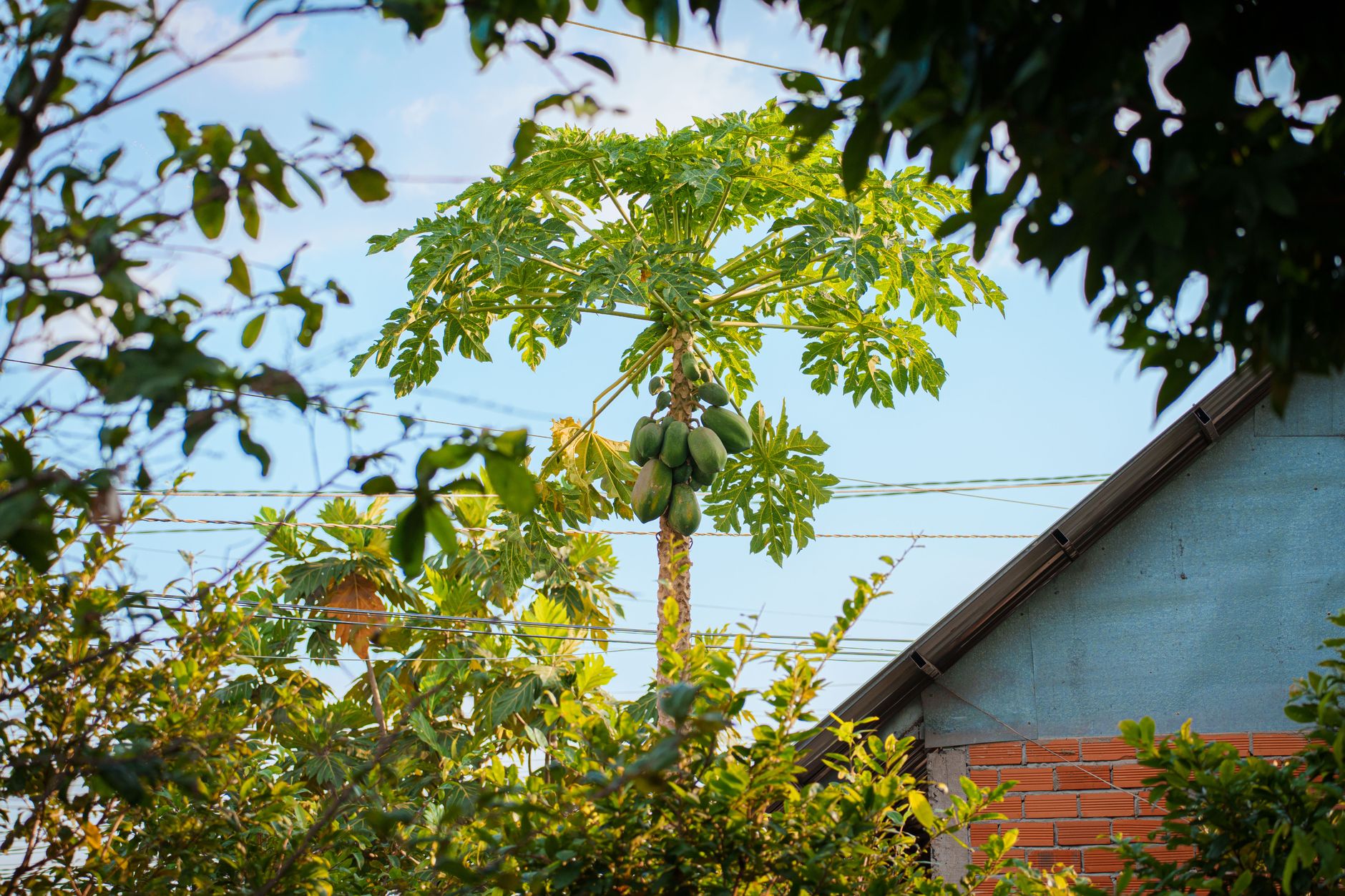
The paw paw tree, native to North America, is a unique and intriguing addition to culinary landscapes. Its large, tropical-looking fruits offer a taste that combines the essence of banana, mango, and melon, creating a deliciously sweet palate. Gaining traction among chefs and home cooks alike, the paw paw is a versatile ingredient that deserves a spot in your kitchen.
This article delves into the specifics of the paw paw tree, including its characteristics, the taste profile of its fruits, and various culinary uses. By the end, you’ll understand how to incorporate paw paw into your meals and experiments in the kitchen.
What Is a Paw Paw Tree?
The paw paw tree, scientifically known as Asimina triloba, is the largest edible fruit native to North America. It thrives in the temperate climate of the eastern United States, growing naturally in forests and along riverbanks. The tree can reach heights of 15 to 30 feet and can be identified by its large, oval leaves and unique maroon flowers, which bloom in spring.
Paw paw trees produce fruit that typically measures between 3 to 6 inches long and has a soft, custard-like texture when ripened. The fruit’s skin is greenish-yellow when ripe, and it holds black seeds within its creamy, aromatic flesh. Paw paws are known for their high nutritional value, packed with vitamins A and C, as well as being rich in fiber.
Flavor Profile of Paw Paw Fruits
Paw paw fruits are often described as having a tropical flavor with notes that remind one of bananas, mangos, and even custard. The fruit is creamy and can be eaten raw or cooked. Its sweet aroma and flavor make it suitable for dessert applications, smoothies, and even savory dishes.
- Texture: Soft and custard-like, similar to ripe avocado.
- Aroma: Tropical and sweet, with hints of ripe banana.
- Flavor: A delightful mix that has been compared to banana, mango, and melon.
Culinary Uses of Paw Paw
The paw paw’s versatility means it can be used in a variety of culinary applications. Here’s how to incorporate this unique fruit into your cooking:
Raw Consumption
The simplest way to enjoy paw paw is to eat it raw. Once fully ripe, simply cut it in half, scoop out the flesh, and discard the seeds. It makes for a refreshing, nutritious snack or a sweet addition to fruit salads.
Baked Goods
Paw paw can be used in various baked goods like muffins, breads, and pies. Its natural sweetness allows for reduced added sugars in recipes.
Paw Paw Muffins Recipe
These moist, flavorful muffins can be made using fresh paw paw. Here’s a basic recipe:
Yield: 12 muffins
Preparation Time: 15 minutes
Cooking Time: 20-25 minutes
Total Time: 40 minutes
Ingredients
- 1 cup ripe paw paw pulp (about 2 medium fruits, seeded and peeled)
- 1 ½ cups all-purpose flour
- ½ cup sugar (can be reduced to ⅓ cup for less sweetness)
- 2 teaspoons baking powder
- ½ teaspoon baking soda
- 1 teaspoon cinnamon
- ½ teaspoon salt
- ½ cup vegetable oil or melted butter
- 2 large eggs
Instructions
- Preheat your oven to 350°F (175°C) and line a muffin tin with paper liners.
- In a mixing bowl, whisk together the flour, sugar, baking powder, baking soda, cinnamon, and salt.
- In another bowl, mix the paw paw pulp, oil or butter, and eggs until well combined.
- Gradually fold the wet ingredients into the dry ingredients until just combined. Be careful not to overmix.
- Scoop the batter into each muffin cup until about ¾ full.
- Bake for 20-25 minutes or until a toothpick inserted in the center comes out clean.
- Allow to cool slightly before serving.
Cooking and Savory Dishes
Paw paw can also be utilized in savory dishes. It can enhance sauces and salsas or be sautéed for a unique side dish. When cooked, the fruit tends to mellow in flavor and can work well in curries or paired with grilled meats.
Paw Paw Salsa Recipe
This salsa is a refreshing side for grilled fish or chicken.
Yield: 4 servings
Preparation Time: 15 minutes
Total Time: 15 minutes
Ingredients
- 1 cup ripe paw paw, diced
- 1 small red onion, finely chopped
- 1 jalapeño, seeded and minced (optional for heat)
- 1 lime (juice and zest)
- ¼ cup cilantro leaves, chopped
- Salt and pepper to taste
Instructions
- In a bowl, combine the paw paw, red onion, jalapeño (if using), lime juice, lime zest, and cilantro.
- Season with salt and pepper to taste.
- Let the salsa sit for about 15 minutes to allow flavors to meld.
- Serve with grilled fish or chicken, or enjoy with tortilla chips.
Preserving Paw Paw
Paw paw can also be preserved, allowing you to enjoy its unique flavor year-round. Here are some methods:
Freezing
To freeze paw paws, peel and remove the seeds, then puree the flesh or chop it into chunks. Place in airtight containers or freezer bags and store in the freezer for up to a year. Be sure to label the bags for easy identification.
Canning
Canning paw paw is another option, although it requires a tested recipe due to the fruit’s low acidity. A paw paw butter or jam can be made, where the fruit is mixed with sugar and thickened before being sealed in jars.
Buying and Storing Paw Paw
When shopping for paw paw, look for fruits that are slightly soft to the touch, similar to a ripe avocado. If they are hard, allow them to ripen at room temperature. Once ripe, they can be stored in the refrigerator for a few days, or frozen for longer preservation.
Common Mistakes When Using Paw Paw
- Using unripe fruit: Paw paws need to be fully ripe to achieve their sweet flavor and creamy texture. Patience is key!
- Overcooking: Cooking paw paw for too long can result in a mushy texture. Use it in moderate heat applications to retain its integrity.
- Ignoring seeds: Don’t forget to remove the large seeds, as they are inedible.
Substitutions and Variations
If you can’t find paw paw or want to explore alternatives, consider these substitutions:
- Banana: Use mashed banana to mimic the creamy texture, though it may lack the distinct paw paw flavor.
- Mango: Fresh or pureed mango can be a close flavor substitute, especially in desserts.
- Pear: A soft, ripe pear can resemble the custard-like texture of paw paw, though the sweetness will be different.
Health Benefits of Paw Paw
Paw paw is not only delicious but also nutritious. It contains:
- Vitamins A and C, supporting eye health and immune function.
- Fiber, which aids digestion.
- Antioxidants, which may protect cells from damage.
While incorporating paw paw into your diet can be beneficial, it is essential to do so as part of a balanced approach to nutrition.
Conclusion
The paw paw tree offers a unique and versatile fruit that can elevate your culinary creations. Its tropical sweetness and creamy texture can be enjoyed in a variety of dishes, from raw snacks to baked goods and savory salsas. By understanding how to choose, store, and cook with paw paw, you can expand your culinary repertoire and introduce your palate to a delightful new flavor experience.
For more inspiration in your kitchen, explore different recipes, cooking tips, or ingredient guides to enhance your meals. Discover more about paw paw dishes and how to elevate your cooking with unique ingredients.