
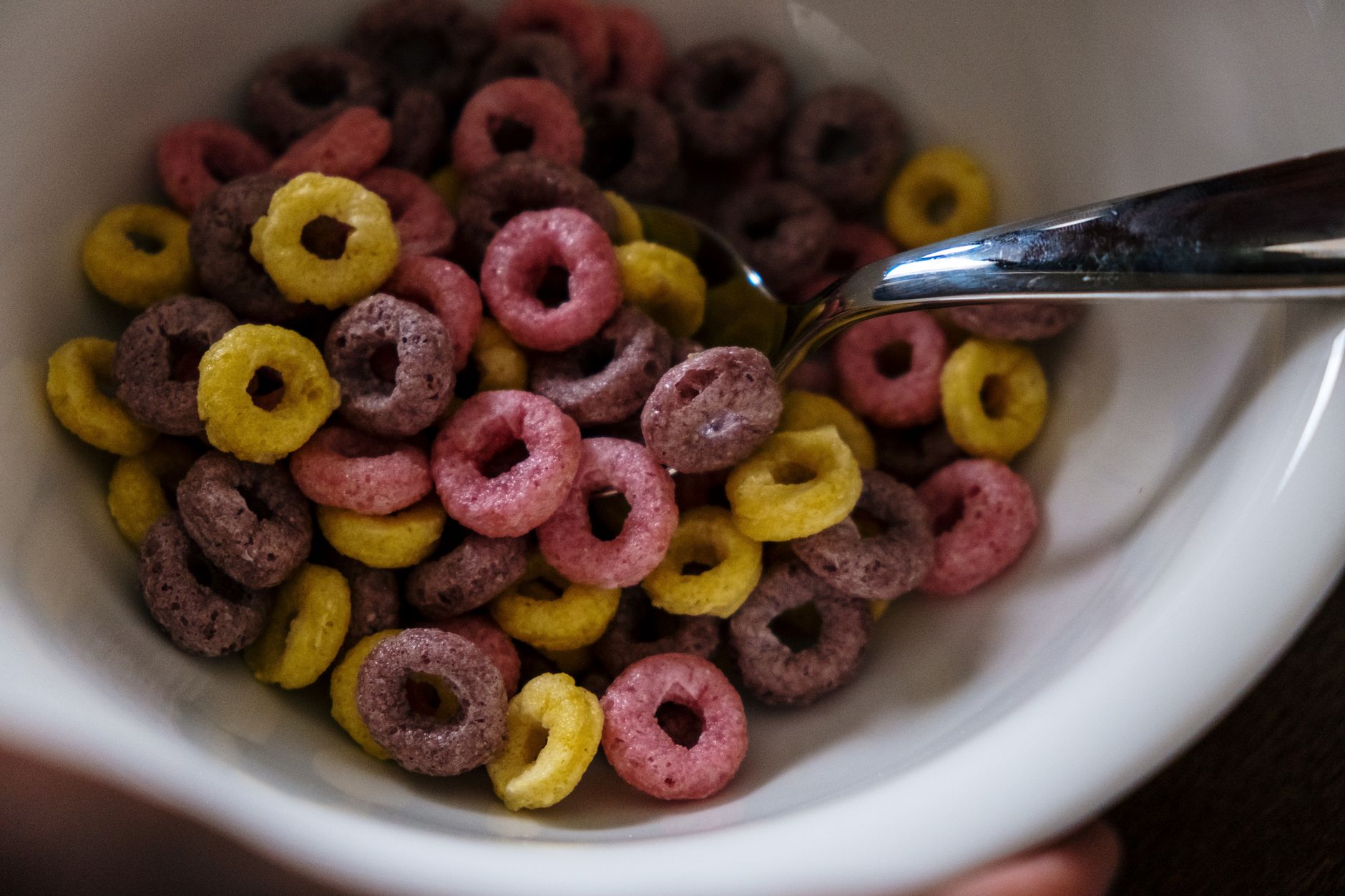
Cereal is a breakfast staple for many, but shopping for it can lead to sticker shock. From familiar brands to innovative artisanal options, the prices of cereal can vary significantly. Understanding the factors that contribute to these costs can help consumers make informed choices about what they buy.
This article explores why cereals are often expensive, examining the complex layers of production, ingredients, marketing, and distribution as well as offering practical tips for savvy shopping and alternatives.
Why Is Cereal So Expensive?
The high prices of cereal can be attributed to several factors, including ingredient sourcing, production costs, marketing strategies, and economic conditions. For those looking to understand and navigate these prices, it’s important to dive into the details.
Key Factors Contributing to the Cost of Cereal
1. Ingredient Quality and Sourcing
The primary ingredients in cereal typically include grains, sweeteners, flavorings, and sometimes added nutrients. The cost of these ingredients can vary due to various factors, including sourcing and quality:
- Grain Prices: Cereal grains like wheat, corn, oats, and rice are agricultural products susceptible to fluctuations in market price due to supply and demand, weather conditions, and international trade policies.
- Organic and Non-GMO Ingredients: Cereals marketed as organic or containing non-genetically modified organisms (non-GMO) often come with higher production costs, as they require specific farming practices.
- Sustainable Ingredients: Consumers are increasingly choosing cereals that feature sustainably sourced ingredients, such as fair trade cacao or palm oil, which can add to the cost.
2. Production Costs
The process of turning raw agricultural products into a packaged cereal is complex and can be costly:
- Manufacturing Equipment: Modern cereal production involves sophisticated machinery capable of producing large volumes. The initial investment in this equipment is substantial, and these costs are factored into the price of the final product.
- Labor Costs: Labor expenses in manufacturing, from processing to packaging, also contribute to the final price of cereals. In recent years, labor shortages in the food production sector have further increased costs.
- Quality Control: Ensuring that cereals meet safety and quality standards can lead to additional costs, including testing and monitoring, which are necessary to prevent contamination and ensure product consistency.
3. Packaging and Transportation
Packaging and transportation are important contributors to the final cost of cereal:
- Packaging Materials: High-quality packaging that preserves freshness and extends shelf life adds to costs. Eco-friendly packaging options are also gaining popularity but can further increase prices.
- Transportation Costs: The logistics involved in transporting raw ingredients to production facilities and finished products to retailers play a significant role in overall prices. Rising fuel costs can inflate these expenses.
4. Marketing and Branding
Marketing strategies and brand positioning can also significantly impact cereal prices:
- Brand Awareness: Well-known brands often charge a premium due to their established reputation. Consumers are typically willing to pay more for these brands, believing in their quality.
- Advertising Costs: Companies invest significantly in advertising to influence consumer preferences. These costs are often recouped through higher product pricing.
- Product Variety: Many brands offer specialized cereal varieties, such as gluten-free or high-protein options. These niche products can command higher prices due to their unique formulations and targeted marketing efforts.
5. Economic Conditions and Inflation
Broader economic factors also play a role in the costs of products, including cereal:
- Inflation: Rising inflation affects nearly all aspects of production and distribution. As the cost of raw materials, labor, and logistics increase, consumers may see these changes reflected in retail prices.
- Supply Chain Disruptions: Economic disruptions, such as natural disasters or global events, can impact supply chains, leading to scarcity and rising prices. The COVID-19 pandemic highlighted vulnerabilities in our food supply system.
What Can You Do to Save on Cereal Costs?
Despite the factors contributing to the rising costs of cereal, there are practical steps consumers can take to save money while enjoying this popular breakfast option.
1. Buy in Bulk
Purchasing cereal in bulk can lead to considerable savings. Look for bulk bins or wholesale stores that offer price reductions when buying larger quantities. Just be cautious of shelf life.
2. Consider Store Brands
Store or generic brands often provide similar quality to name brands at a lower price. Comparing ingredient lists can help identify budget-friendly alternatives without sacrificing taste.
3. Look for Sales and Coupons
Keep an eye out for sales, promotions, and coupons, which are commonly offered by retailers and brands. Combining these savings with store loyalty programs can help increase discounts further.
4. Choose Simple Cereals
Opt for simple cereals that use fewer ingredients, such as plain oats or whole grain flakes. These options are not only often cheaper but also more nutritious without added sugars.
5. Make Your Own Cereal
If you enjoy DIY projects, consider making your own cereal. Recipes for granola or muesli typically allow you to choose your ingredients and can be more cost-effective than pre-packaged products.
6. Pay Attention to Portion Sizes
Serving sizes can often be underestimated. Being mindful of how much you eat will help you stretch your cereal budget further.
Practical Alternatives to Store-Bought Cereal
If you’re looking for more cost-effective or health-conscious alternatives, consider these options:
1. Oatmeal
Oatmeal can be a nutritious and economical substitute for packaged cereals. It’s versatile and can be topped with fruits, nuts, or honey to create various flavors.
2. Chia Pudding
Chia seeds, when soaked in liquid, create a pudding-like texture that can be flavored with fruits or spices. Chia pudding is not only filling but also nutritious and can be made ahead of time for quick breakfasts.
3. Smoothies
Smoothies made from various fruits, vegetables, and even grains can serve as filling alternatives, providing balanced nutrition without the higher cost of commercial cereals.
4. Toasts and Spreads
Whole-grain toast topped with nut butter, yogurt, or cottage cheese can make for a satisfying breakfast loaded with essential nutrients.
Final Thoughts
Cereal pricing reflects a complex array of factors that go far beyond simple ingredient costs. By understanding these factors and utilizing strategic shopping practices, consumers can make informed choices and find budget-friendly breakfast options without compromising on taste or nutrition.
For those eager to explore more delicious and budget-friendly recipes or tips, check out our Chia Pudding Recipe or try making Protein Granola. Happy cooking!