
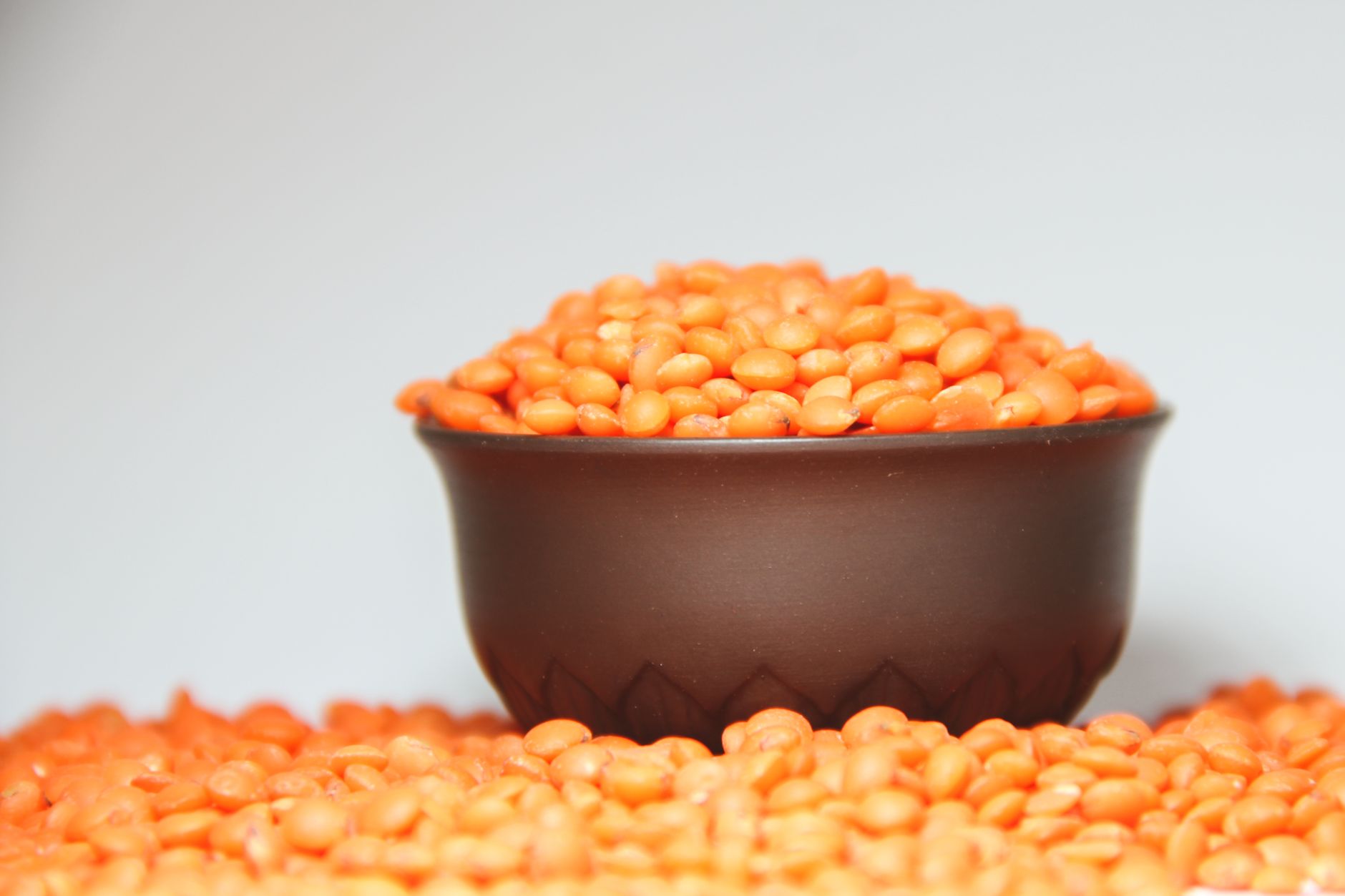
Lentils are an underrated superfood packed with nutrients, making them a popular choice for health-conscious individuals and culinary enthusiasts alike. With their rich protein content and diverse flavors, they are ideal for various diets and meals. This article will explore the nutritional profile of lentils, proper portion sizes, health considerations, and their many culinary uses.
As we delve into the details, you’ll discover the benefits of incorporating lentils into your meals, potential cooking techniques, and tips for various dietary preferences. Whether you’re a seasoned cook or a beginner, understanding lentils can enhance your cooking and health journey.
Is Lentils Healthy?
Lentils are healthy due to their high protein and fiber content, low fat, and rich array of vitamins and minerals. They can aid in digestion, promote heart health, and support stable blood sugar levels. However, it is essential to consume them in appropriate portion sizes and be mindful of specific dietary needs.
Nutritional Profile of Lentils
Understanding what lentils bring to the table nutritionally enhances your appreciation for this versatile legume.
Macronutrients in Lentils
Generally, lentils are low in calories and high in essential nutrients.
| Nutrient | Per 100 grams (cooked) |
|---|---|
| Calories | 116 |
| Protein | 9 grams |
| Carbohydrates | 20 grams |
| Fiber | 8 grams |
| Fat | 0.4 grams |
Vitamins and Minerals
Lentils are an excellent source of essential nutrients:
- Iron: Vital for transporting oxygen in the blood.
- Folate: Important for DNA synthesis and repair, especially crucial during pregnancy.
- Magnesium: Aids in muscle function, blood pressure regulation, and energy production.
- Potassium: Helps with heart function and muscle contractions.
- Phosphorus: Important for bone health and energy production.
Portion Sizes: How Much Lentils Are Enough?
Portion control is essential when including lentils in your diet. Proper serving sizes ensure you reap the health benefits without overwhelming your system.
A typical serving of cooked lentils is about 1/2 cup (approximately 100 grams). This serving size provides a substantial amount of protein and fiber, which helps with satiety and digestion. For those looking to meet higher protein or calorie needs, increasing the portion to 1 cup can be beneficial, especially as part of a larger meal.
Health Considerations: Things to Keep in Mind
While lentils are nutritious, there are a few factors to keep in mind for a balanced diet.
Digestive Health
Lentils contain oligosaccharides, which can cause gas and bloating in some individuals. If you’re new to lentils, it’s advisable to gradually increase your intake to allow your digestive system to adjust. Soaking lentils before cooking can help reduce some of these compounds.
Allergies and Sensitivities
While rare, some people may have allergies or sensitivities to legumes, including lentils. If you experience digestive discomfort or other symptoms after consuming lentils, consult a healthcare professional.
Interactions with Medications
Lentils may interact with certain medications, such as those aimed at controlling blood sugar levels or anticoagulants. If you’re on medication, it’s wise to consult your doctor regarding dietary changes, especially if you plan to increase your lentil consumption significantly.
Culinary Uses of Lentils
Lentils are not just healthy; they are incredibly versatile. They can be used in various cuisines and come in several types, each lending a distinct flavor and texture to dishes.
Types of Lentils and Their Uses
- Green Lentils: These are slightly peppery and hold their shape well, making them great for salads, side dishes, or hearty stews.
- Brown Lentils: Milder in flavor, they cook quickly and work well in soups and porridge.
- Red and Yellow Lentils: These are often used in Indian cuisine, cooking down quickly to create dal or curries.
- Black Lentils: Known as beluga lentils, they have a rich flavor and are perfect for salads or as a side dish.
Cooking Techniques for Lentils
Understanding various cooking techniques can help you achieve the best results with lentils. Here are popular methods:
Boiling
- Start by rinsing the lentils under cold water to remove any debris.
- In a pot, add 3 cups of water or broth for every cup of lentils.
- Bring to a boil, then reduce the heat and let them simmer.
- Cooking times vary; generally, green and brown lentils take about 20-30 minutes, whereas red and yellow lend themselves to about 15-20 minutes.
- Check for doneness; lentils should be tender but not mushy.
Pressure Cooking
Using a pressure cooker can save you time:
- Rinse lentils as mentioned above.
- Add lentils and 2-3 cups of water to the pressure cooker.
- Seal the lid and cook under high pressure: about 9 minutes for green/brown lentils and 6 minutes for red/yellow.
- Allow the pressure to release naturally for best results.
Slow Cooking
For those who love flavor development:
- Rinse lentils and add them to your slow cooker with vegetables, broth, and seasonings.
- Cook on low for 6-8 hours or on high for 3-4 hours. The low and slow method enhances the flavors.
Creative Ways to Incorporate Lentils into Your Diet
Lentils can be seamlessly integrated into various dishes, enhancing nutrition and flavor. Here are some creative ideas:
Soups and Stews
Lentils can add a hearty texture to soups and stews. Consider a classic lentil soup or a lentil chili loaded with beans and spices.
Salads
Cooked lentils can be tossed into salads for extra protein. Combine them with roasted vegetables, greens, and a zesty dressing for a satisfying meal.
Veggie Burgers
Lentils can serve as the base for plant-based burgers. Mix cooked lentils with breadcrumbs, spices, and vegetables, form into patties, and grill or pan-fry.
Side Dishes
For a nutritious side, try mixing cooked lentils with sautéed onions, garlic, and herbs. Serve alongside grilled meats or as a vegetarian option.
Curries and Dals
Traditional Indian recipes often feature lentils. A spiced dal served with rice or naan offers a filling yet healthy meal.
Budget-Friendly Meal Planning with Lentils
Lentils are not only nutritious but also economical. Here are tips for budget-friendly meal planning:
Batch Cooking
Cook a large batch of lentils and store them in the fridge or freezer. Use them throughout the week in various dishes, ensuring you minimize waste and save time.
Ingredient Overlap
Plan meals that utilize overlapping ingredients. For example, use the same vegetables for a stir-fry and a salad, minimizing grocery costs and meal prep time.
Simple Meal Ideas
- Lentil soup with crusty bread.
- Lentil salad with tomatoes, cucumber, and feta.
- Lentil and vegetable curry served with rice.
- Lentil-stuffed bell peppers baked with cheese on top.
Storage and Reheating Guidance for Lentils
Proper storage extends the shelf life of cooked lentils and ensures food safety.
Storage
- Refrigeration: Store cooked lentils in an airtight container in the refrigerator for up to one week.
- Freezing: For longer storage, place cooled lentils in portioned bags or containers, where they can last up to six months in the freezer.
Reheating
When reheating cooked lentils:
- Use a microwave-safe dish and add a splash of water to prevent them from drying out.
- Stir every few minutes until heated through, usually about 3-5 minutes.
- For stovetop reheating, place lentils in a pan over medium-low heat, stirring occasionally.
Practical Tips for Cooking Lentils
To make your lentil cooking journey smooth, consider these tips:
Rinsing and Soaking
Always rinse lentils before cooking. Soaking, while not essential for all types, can help reduce cooking time and gas-causing compounds.
Flavoring the Cooking Liquid
Add herbs, spices, or flavoring agents like broth or aromatics (onions, garlic) while cooking lentils to enhance their taste.
Do Not Overcook
Watch the cooking time carefully to avoid mushy lentils. They should be tender yet maintain a distinct shape.
Lentils are a powerhouse food that can help you maintain a balanced diet, offering significant health benefits, budget-friendly meal options, and endless culinary possibilities. Whether you’re looking to bolster your protein intake, increase fiber in your diet, or simply enjoy a nutritious meal, lentils can fit seamlessly into your meal plan.
To dive deeper into the versatility of healthy ingredients, explore our articles on chia pudding and the benefits of chia seeds. Happy cooking!