
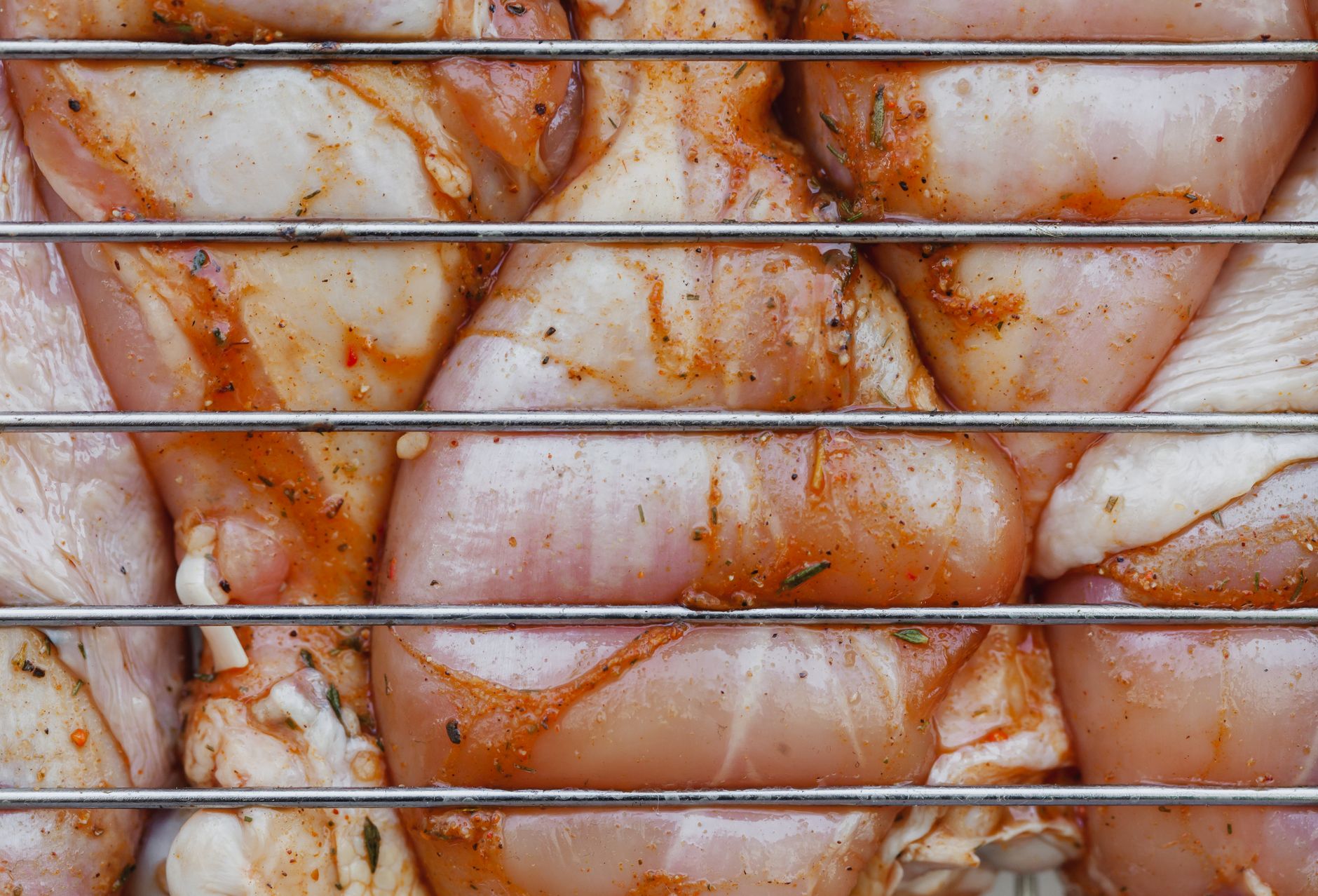
Marinating chicken is a fantastic way to infuse flavor and tenderness into the meat. By combining ingredients like oils, acids, and various spices, you can create mouthwatering dishes that transform simple poultry into an unforgettable meal. However, one important question arises: how long can chicken safely stay marinated in the fridge?
The answer to this question is crucial for food safety and achieving the best flavor profile. In this article, we will delve into the recommended marination times for chicken, the factors that affect marinade duration, tips for safe marinating, and much more. Understanding these aspects will help you elevate your chicken dishes without compromising on safety.
How Long Can Chicken Stay Marinated in the Fridge?
Raw chicken can be marinated in the fridge for 2 to 24 hours, depending on the marinade’s composition and the thickness of the chicken pieces. Over-marinating can lead to mushy chicken due to the action of acidic components in the marinade. Always remember to store marinating chicken in a covered container or sealed plastic bag to prevent cross-contamination.
Factors Influencing Marination Time
Several factors impact how long chicken can safely and effectively marinate. Understanding these allows you to select the right marinade time for your culinary needs.
1. Type of Marinade
The type of marinade plays a significant role in determining safe marination durations. Marinades can generally be categorized into three types:
- Acidic Marinades: These include vinegar, citrus juices, and yogurt, which help tenderize the meat. Recommended marination time: 1 to 4 hours.
- Neutral Marinades: Olive oil, garlic, and herbs typically fall into this category. Recommended marination time: 2 to 12 hours.
- Enzymatic Marinades: Ingredients like pineapple or papaya contain enzymes that can break down protein fibers. Recommended marination time: no longer than 30 minutes to 2 hours.
2. Thickness of the Chicken
The thickness of chicken pieces hugely affects marination time. Thinner cuts, such as chicken breasts, take less time to absorb flavors compared to thicker parts like thighs and drumsticks. Consider this when determining how long to marinate your chicken.
3. Type of Chicken
Different cuts of chicken can absorb marinades at varying rates. Bone-in pieces might require longer marination compared to boneless cuts. For example, bone-in chicken can absorb flavors over a more extended period, possibly up to 24 hours.
Best Practices for Marinating Chicken
To achieve flavorful and safe marinated chicken, keep these best practices in mind:
- Use Glass or Food-Grade Plastic Containers: Avoid marinating chicken in metal containers, as this can react with the acidic ingredients in your marinade.
- Always Refrigerate: Never marinate chicken at room temperature. Always store it in the fridge to prevent bacterial growth.
- Keep It Covered: Ensure marinated chicken is sealed well to avoid cross-contamination and absorption of other odors.
The Science of Marination
Marination involves a chemical process where various components in the marinade penetrate the meat. This process can alter flavor, texture, and moisture. Knowing how each ingredient affects the chicken can help you customize your marinade effectively.
1. Role of Acids
Acids, such as vinegar or citrus juice, help tenderize the chicken by breaking down protein structures. However, prolonged exposure to acids can also lead to mushiness, which is why it’s essential to adhere to recommended marination times.
2. The Impact of Enzymes
Some ingredients like kiwi, pineapple, and papaya contain natural enzymes that effectively tenderize meat. When using these fruits, keep marination short—no longer than 30 minutes, to prevent overly mushy textures.
3. Flavor Penetration
Spices and herbs work to enhance flavor in the chicken. Unlike acids, these ingredients can be more forgiving, allowing for longer marination durations without negative effects on texture.
Common Mistakes When Marinating Chicken
Even seasoned cooks can fall prey to common marination mistakes that can ruin the overall quality of the dish. Here are some pitfalls to avoid:
- Over-Marinating: As mentioned earlier, exceeding recommended marination times can lead to texture issues. Learn to gauge your chicken’s specific marinating needs.
- Using Metal Containers: Metal can react with acids and alter flavors, possibly resulting in an off-putting taste. Stick to glass or food-safe plastic.
- Ignoring Food Safety: Keeping marinated chicken at room temperature is dangerous. Always prioritize food safety to prevent the risk of foodborne illnesses.
How to Know When Chicken Is Done Marinating
Knowing when your chicken has marinated long enough requires a few guidelines:
- Follow recommended marinating times based on the marinade type and chicken cut. Use the guidelines above as a reference.
- Inspect the texture. The chicken should not feel overly soft or mushy. A slight firm texture indicates that it’s adequately marinated.
- Trust your nose! Aromas from the marinated chicken can also suggest it’s ready for cooking. If it smells robust and flavorful, you’re in good shape.
Delicious Marinade Ideas for Chicken
To help you get started, here are a few delicious marinade ideas to experiment with:
1. Citrus Herb Marinade
- Juice of 2 lemons
- 1/4 cup olive oil
- 2 cloves of garlic, minced
- 1 tablespoon fresh rosemary, chopped
- Salt and pepper to taste
2. Honey Mustard Marinade
- 1/4 cup honey
- 1/4 cup Dijon mustard
- 2 tablespoons soy sauce
- 1 tablespoon apple cider vinegar
- Black pepper to taste
3. Spicy Yogurt Marinade
- 1 cup plain yogurt
- 2 tablespoons hot sauce (adjust to taste)
- 1 tablespoon ground cumin
- 2 cloves of garlic, minced
- Salt to taste
Storing Leftover Marinade
While it can be tempting to reuse marinade after soaking your chicken, it’s crucial to handle leftovers with care to ensure safety:
- Discard used marinade that has come in contact with raw chicken to prevent cross-contamination.
- If serving the marinade as a sauce, it’s essential to heat it to a rolling boil for several minutes to kill any harmful bacteria.
- Unused marinade can be stored in the refrigerator in a clean, airtight container for up to a week, depending on its ingredients.
Freezing Chicken Marinade
If you prepare large batches of marinated chicken in advance, consider freezing them for later use. Here’s how:
- Combine your chicken and marinade in a freezer-safe bag, ensuring all chicken pieces are coated.
- Seal the bag, expelling as much air as possible before freezing it flat.
- Label the bag with the date and type of marinade. Use within three months for the best flavor.
- When ready to use, thaw in the fridge overnight and avoid refreezing once thawed.
Final Tips
For an optimal marinating experience, consider the following additional tips:
- Use raw chicken that is fresh, and ensure it has not been previously frozen if you plan to marinate.
- Experiment with different flavors to find the marinade combinations you enjoy most.
- Always keep hygiene practices in check with thorough handwashing and clean surfaces to prevent any cross-contamination.
Marinating chicken can significantly enhance the dining experience, making it juicy and packed with flavor. Having a clear understanding of marination times, safety practices, and the role of different ingredients can help you create mouthwatering meals while ensuring food safety.
Ready to take your cooking to the next level? Explore our related articles on how long chicken is good for in the fridge, or check out a delicious chicken thigh marinade recipe.