
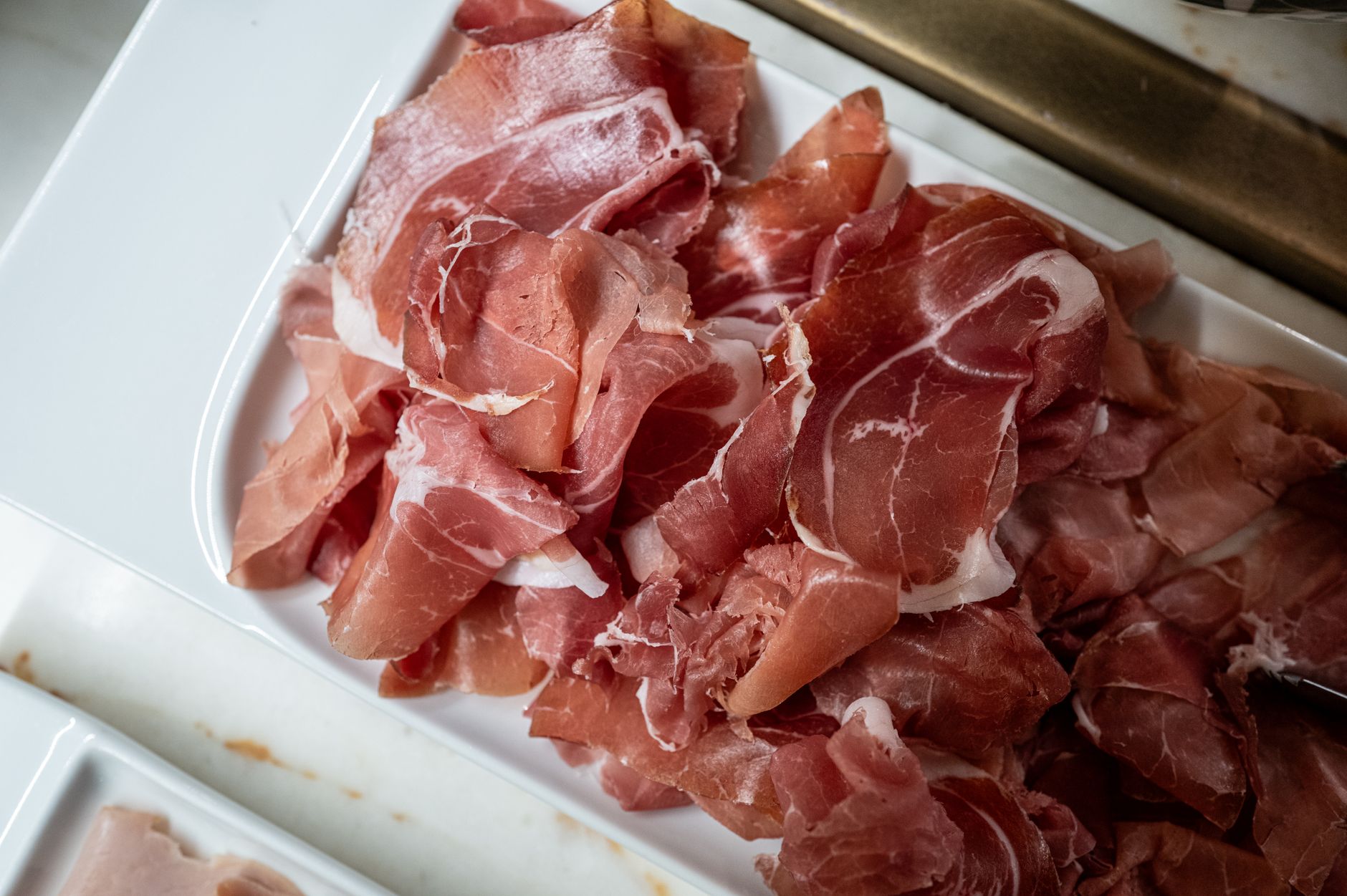
Prosciutto is a delicacy that has become synonymous with quality and luxury, reflected in its often steep price tag. The unique flavor, texture, and artisanal methods behind its production contribute to its reputation and expense.
This article delves into the various reasons behind the high cost of prosciutto, examining the production process, quality standards, and even the market dynamics that set this savory cured meat apart from common deli meats.
Why Is Prosciutto So Expensive?
Prosciutto is expensive primarily due to its lengthy production process, high-quality pork, and careful curing methods. The meticulous standards applied throughout its preparation ensure a rich flavor profile and distinct texture that are hard to replicate with mass-produced products.
The Origins and Types of Prosciutto
Prosciutto is a dry-cured ham that originates from Italy, where it has been made for centuries. The main varieties include:
- Prosciutto di Parma – Originating from Parma, this type is known for its sweet flavor and melts in the mouth.
- Prosciutto di San Daniele – Hailing from the Friuli Venezia Giulia region, this version is distinguished by its slightly stronger taste.
- Prosciutto Toscano – From Tuscany, this variety showcases a bolder flavor due to its different curing spices.
- American Prosciutto – While lacking the traditional European flair, some brands produce U.S. alternatives at a lower price point.
The Production Process
The journey from pig to prosciutto is intricate and time-consuming, which directly contributes to its higher price. Here’s how it’s typically made:
- Selection of Pork: Only high-quality, healthy pigs are chosen. For authentic prosciutto, the breed often includes specific types such as the Italian Large White or the Duroc.
- Salting: The pork legs undergo salting, where sea salt is applied to draw out moisture and enhance flavor. This stage can last from a few weeks to months.
- Drying and Aging: After salting, the hams are hung in a controlled environment to dry. This aging process can take from 9 months to over 3 years, depending on the type of prosciutto.
- Tasting and Quality Control: Regular tests are conducted to ensure the ham meets specific taste and texture standards before it is ready for sale.
Traditional Techniques and Their Impact
The production of prosciutto is strictly regulated in Italy. Traditional methods must be followed to produce authentic varieties like Prosciutto di Parma and Prosciutto di San Daniele.
These regulations ensure that the curing takes place in specific regions and follows specific guidelines, including the sources of the pigs and the type of sea salt used. This defines not only the quality but also the unique tastes associated with each variant.
Quality Ingredients Matter
The quality of the ingredients used in making prosciutto is a significant factor in its price.
- High-Quality Pork: The breeding and feeding of the pigs are paramount. Pigs that are fed on a special diet produce better quality meat, which is more expensive.
- Natural Curing Agents: The use of pure sea salt for curing affects both flavor and preservation and ensures that no artificial preservatives are used.
As a result, cheaper alternatives may use lower-quality meat or less time-consuming processes, but these do not match the depth of flavor found in traditional prosciutto.
The Role of Aging
The aging process also provides prosciutto its distinctive flavor and texture. The longer the ham is aged, the deeper the flavors become. This process can take years, which inherently increases labor and storage costs.
Cost of Storage and Labor
Proper storage conditions—such as temperature and humidity control—are crucial to ensure that the ham ages correctly without spoiling. Each leg of prosciutto takes considerable space and resources over time, contributing to its cost.
Furthermore, labor is a significant expense. Skilled artisans are often required to monitor the curing process and ensure quality, which adds to the overall price of the final product.
Market Demand and Supply Chain
Market dynamics also influence the pricing of prosciutto. With increasing popularity in various cuisines and as a gourmet ingredient, demand continues to rise. However, the supply of authentic prosciutto is limited due to strict production regulations.
The high consumer demand for quality and authenticity means that prices remain elevated. Furthermore, as more people are becoming aware of what constitutes quality meat, they are prepared to pay more for artisanal products.
- Supermarkets vs. Specialty Stores: Prices can vary significantly between supermarkets and specialty charcuterie shops, with the latter often charging more due to higher quality standards.
- Online Sales: With the rise of e-commerce, many artisanal producers offer their products online, sometimes leading to higher prices due to shipping costs.
How to Choose Quality Prosciutto
When selecting prosciutto, it helps to remember a few key factors:
- Authenticity: Look for labels such as “Prosciutto di Parma” or “Prosciutto di San Daniele” to ensure you’re getting the real deal.
- Appearance: Good prosciutto should have a marbled appearance with both fat and lean meat visible, which adds to its flavor.
- Smell: It should have a pleasant, savory aroma without any off-putting scents.
Kitchen Uses for Prosciutto
Prosciutto’s rich flavors make it a versatile ingredient in the kitchen. Here are some popular uses:
- Charcuterie Boards: Prosciutto pairs beautifully with cheeses, olives, and fruits, making it an ideal addition to charcuterie platters.
- Pasta Dishes: Incorporate it into pasta sauces or toss it with fresh pasta for a simple yet decadent dish.
- Wraps: Use prosciutto to wrap vegetables like asparagus or melon for sophisticated appetizers.
- Sandwiches: Elevate sandwiches or paninis by adding prosciutto, providing a savory depth of flavor.
Pairing Prosciutto
When considering what to pair with prosciutto, think about enhancing its salty and savory profiles:
- Cheese: Soft cheeses such as Brie or creamy goat cheese harmonize well.
- Fruits: Sweet fruits like figs or fresh melon offer a contrasting flavor that balances the saltiness.
- Wines: Pair with wines like Chianti or Prosecco, which complement the richness of the ham.
Common Mistakes When Buying and Storing Prosciutto
To ensure that you enjoy the best quality prosciutto, here are some common mistakes to avoid:
- Buying Pre-Packaged Varieties: Pre-packaged options may not offer the freshness or flavor found in freshly sliced prosciutto.
- Ignoring Storage Recommendations: Keeping prosciutto in the incorrect temperature can compromise its flavor and texture.
- Missing Out on Freshness: Prosciutto tastes best when it is freshly sliced. Avoid buying it in large quantities that you won’t consume quickly.
Storing Prosciutto
Proper storage is essential to maintain the quality of prosciutto. Follow these guidelines:
- Refrigeration: Store cut prosciutto in the refrigerator, wrapped in butcher paper or a clean cloth for optimal airflow.
- Freezing: While not ideal, prosciutto can be frozen for short periods. Wrap it tightly in plastic wrap and place it in an airtight container.
- Serve at Room Temperature: For the best flavor, allow prosciutto to sit at room temperature for about 20 minutes before serving.
Conclusion
Prosciutto’s price reflects its quality, labor-intensity, and the dedication to traditional methods upheld by artisans. Understanding the reasons behind its cost can enhance your appreciation for this exquisite delicacy.
Next time you incorporate prosciutto into your cooking or snacking, consider its rich history and craftsmanship that warrant its higher price point. Engage in the culinary experience by pairing it with complementary ingredients or using it in delightful dishes! Explore various related recipes, cooking tips, or food guides to expand your culinary repertoire.