
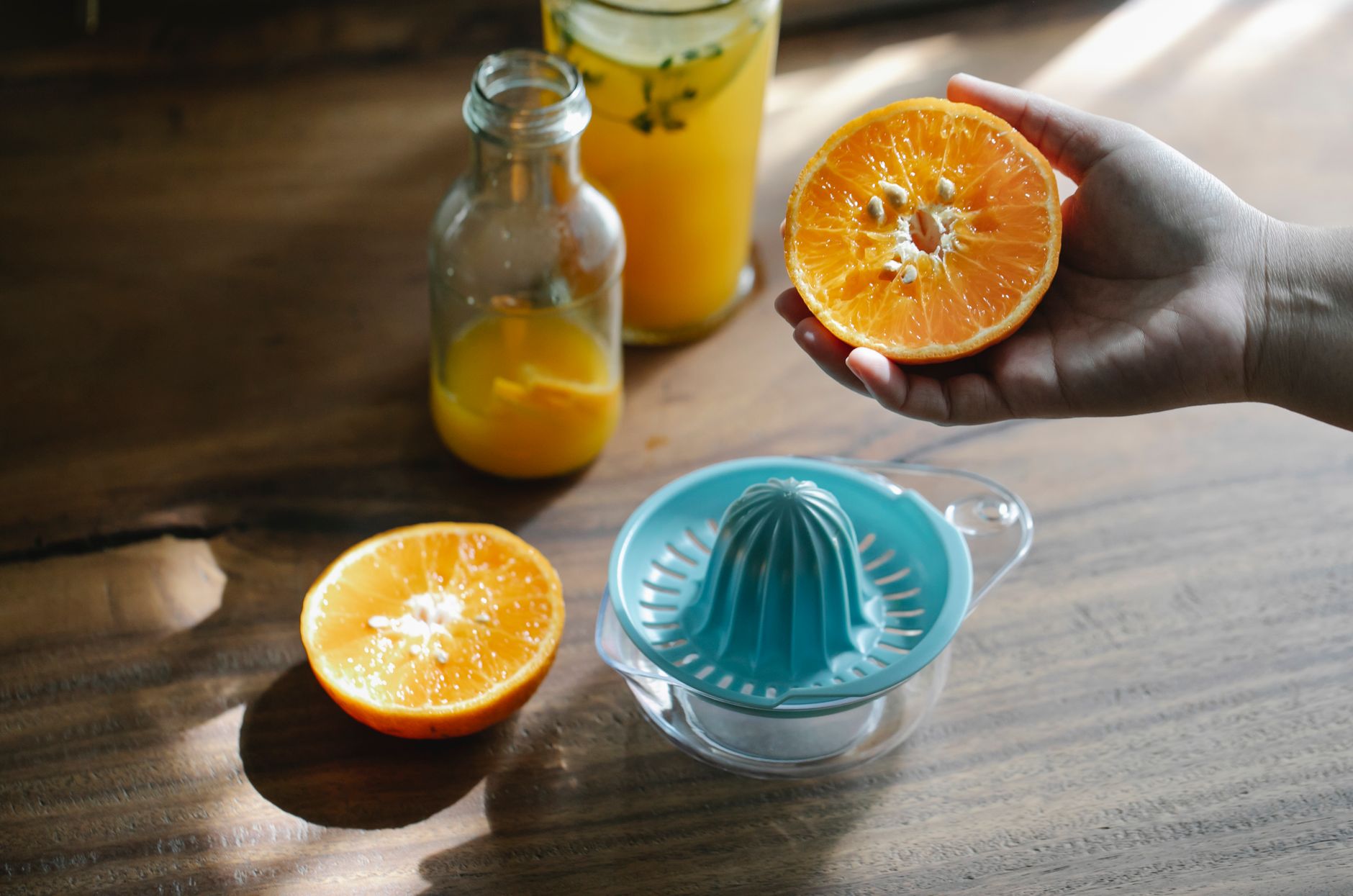
Understanding how many oranges it takes to make a cup of orange juice can enhance your breakfast experience, meal planning, or even cocktail mixing. Freshly squeezed orange juice not only tastes better than store-bought versions but also ensures you have control over the sweetness and pulp content. This article will delve into the specifics of orange juice extraction, offering guidance on quantity, types of oranges, tips for efficiency, and more.
Whether you’re a juice enthusiast or someone just looking to add a splash of freshness to their meals, knowing the right amount of oranges to use is essential. Let’s explore all the juicy details!
How Many Oranges to Make a Cup of Orange Juice?
To produce one cup (8 fluid ounces) of orange juice, you generally need between 2 to 4 medium-sized oranges, depending on their juiciness. Most medium oranges yield about 1/4 to 1/2 cup of juice each. Varieties like navel and Valencia oranges are particularly juicy and ideal for juicing.
Factors Affecting Juice Yield
Several factors influence how much juice you can extract from oranges. Understanding these will help in estimating how many oranges you’ll need:
- Size of the Oranges: Larger oranges typically yield more juice. Before purchasing or juicing, size should be considered.
- Type of Orange: Different varieties have varying juice content. Navel oranges are known for their sweetness and juiciness, while blood oranges have a slightly tangy flavor.
- Ripeness: Fully ripe oranges yield more juice than those that are under-ripe. Look for fruit with a bright color and a slight give when squeezed.
- Juicing Method: Manual juicing versus using a juicer can affect how efficiently juice is extracted. Hand squeezing might result in less juice compared to a mechanical juicer.
Choosing the Right Oranges
When selecting oranges for juicing, consider these points to enhance your juice quality:
- Look for Weight: Choose oranges that feel heavy for their size. This usually indicates that they are juicy.
- Check the Skin: Smooth and slightly glossy skin suggests freshness. Avoid oranges with blemishes or soft spots.
- Smell the Oranges: Ripe oranges have a fragrant smell. A citrus aroma is a good sign of sweet and ripe fruit.
Juicing Techniques
There are several methods to juice oranges, each with its benefits. Here’s a detailed look at some popular techniques:
Hand Juicing
- Roll the orange on a countertop to break down the internal membranes, making juicing easier.
- Cut the orange in half horizontally.
- Use a reamer or your hands to squeeze the juice out, working from the center outwards.
Using a Manual Juicer
- Cut the orange in half.
- Place one half on the juicer and press down, turning until all juice is extracted.
- Repeat with the other half.
Using an Electric Juicer
- Cut the oranges in half.
- Plug in the juicer and place a half on the juicing cone.
- Gently press down and rotate until all juice has been extracted.
- Pour the juice into a glass.
Making the Most of Your Oranges
After juicing, there are additional considerations to keep in mind:
- Use the Pulp: Don’t throw away the pulp! It contains fiber and can be added to smoothies, baked goods, or used to flavor dishes.
- Store Remaining Juice: If you have leftover juice, store it in an airtight container in the fridge for up to 3 days.
- Combine Flavors: Try mixing orange juice with other juices such as cranberry or pineapple for a fun twist.
Substitutions and Variations
If you find yourself short on oranges, here are some viable alternatives to consider:
- Orange Juice Concentrate: Dilute concentrate with water according to package instructions to replace fresh juice.
- Clementines or Mandarins: These smaller oranges can also be juiced and might yield slightly less juice.
- Other Citrus Fruits: Lemon or grapefruit juice can be mixed to create unique flavor profiles if you’re open to experimenting.
Common Mistakes When Juicing Oranges
Avoid these pitfalls for optimal juice extraction:
- Not Choosing Ripe Fruit: Always opt for fully ripe oranges to maximize juice yield.
- Forgetting to Roll the Oranges: This simple step breaks membranes and helps extract more juice.
- Using Cold Oranges: Room temperature oranges tend to yield more juice than cold ones.
Storage and Freshness
Understanding how to store orange juice is vital for maintaining its flavor and freshness:
- Short-term Storage: Freshly squeezed orange juice will last up to 3 days in the refrigerator. Keep it in a sealed glass container to preserve flavor.
- Long-term Storage: For longer preservation, consider freezing orange juice. Use ice cube trays to portion it out, or store it in larger containers.
- Refrigeration Tips: Keep your orange juice away from strong-smelling foods, as it can absorb odors.
Nutritional Value of Orange Juice
Fresh orange juice is packed with nutritional benefits. While the exact values may vary based on oranges and other factors, here are some general insights:
- Vitamin C: Orange juice is famous for its high vitamin C content, supporting immune health.
- Antioxidants: Besides vitamin C, it contains other antioxidants that promote overall health.
- Calories: One cup of fresh orange juice typically contains around 110 calories, which comes largely from natural sugars.
Recipe Ideas Utilizing Fresh Orange Juice
Fresh orange juice can be used beyond a morning beverage. Consider these delicious ideas:
- Orange-Based Smoothies: Combine fresh orange juice, yogurt, and spinach for a refreshing smoothie.
- Salad Dressings: Mix orange juice with olive oil and vinegar for a tangy salad dressing.
- Marinades: Use orange juice in marinades for chicken or fish, adding both flavor and tenderness.
- Orange Glaze: Create a glaze for baked goods by combining orange juice with powdered sugar.
Conclusion
Knowing how many oranges to make a cup of orange juice can significantly enhance your kitchen experience. Whether you’re building a refreshing drink, marinading proteins, or creating vibrant salads, fresh orange juice adds a delightful flavor and nutritional boost. The general guideline is that you’ll need about 2 to 4 oranges to yield a cup of juice, depending on various factors, including size, type, and juicing methods.
Next time you plan a brunch or family breakfast, remember the simple joy of freshly squeezed orange juice. You can explore more delightful recipes like orange sherbet or cranberry sauce with orange for a complete meal experience.