
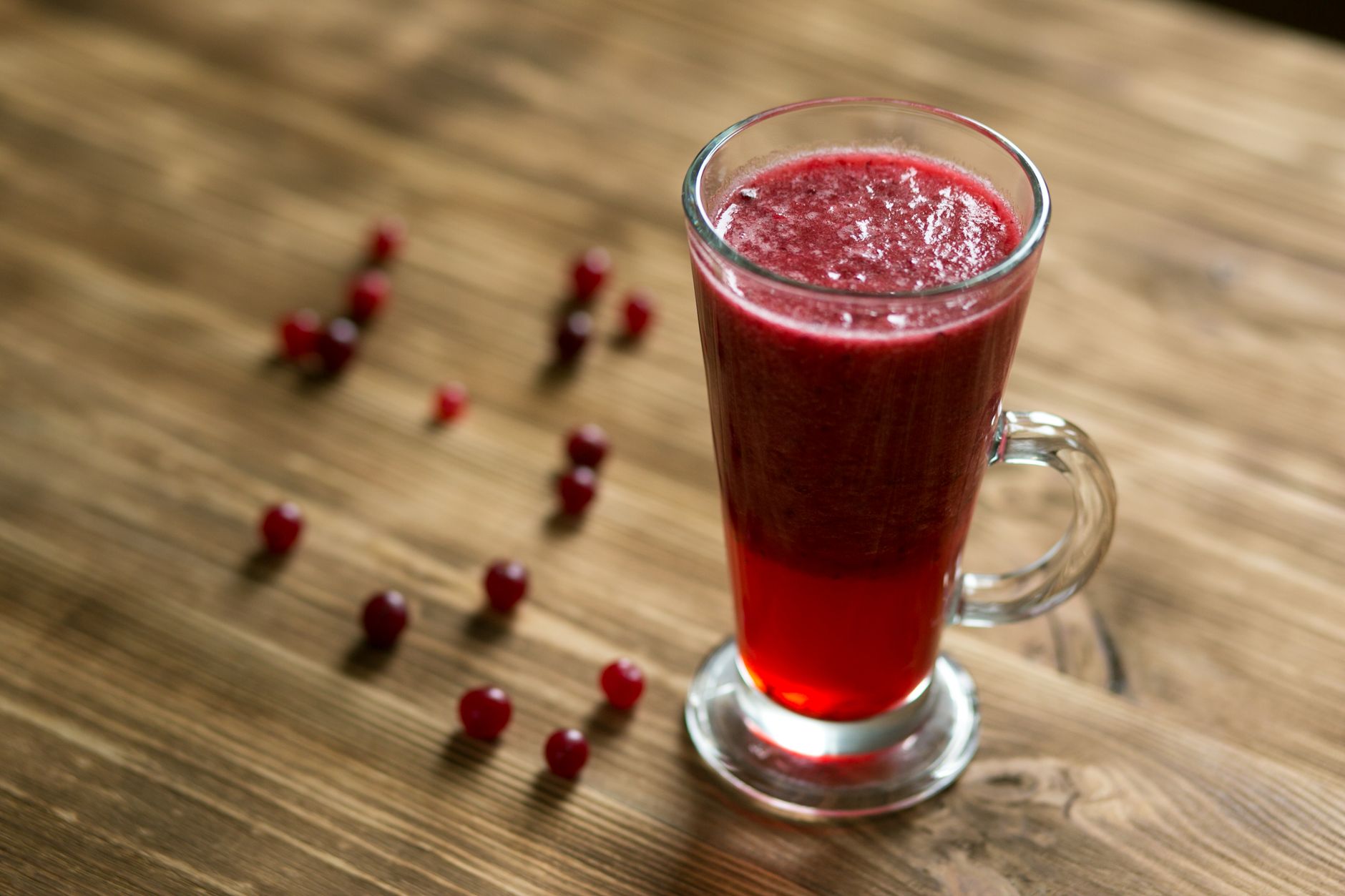
Cranberry juice is a popular beverage known for its tart flavor and potential health benefits. However, many people have raised concerns about its effects on digestion, particularly whether it can cause diarrhea. In this article, we will explore the relationship between cranberry juice and digestive health, including its ingredients, potential side effects, and tips for safe consumption.
Understanding how cranberry juice affects digestion can help individuals make informed choices about including it in their diets. We will delve into the composition of cranberry juice, its typical uses, and the various factors that may contribute to gastrointestinal discomfort.
Can Cranberry Juice Give You Diarrhea?
Cranberry juice can potentially lead to diarrhea in some individuals, primarily due to its high acidity and fructose content. For most people, moderate consumption is generally safe, but excessive intake may upset the stomach and lead to loose stools.
Understanding the Ingredients in Cranberry Juice
Cranberry juice is primarily made from cranberry fruits, which contain various nutrients and compounds. Let’s take a closer look at these ingredients and their digestive implications.
Cranberries
Cranberries are small, tart berries packed with vitamins C and E, antioxidants, and fiber. While the fiber in cranberries is beneficial for digestive health, the overall acidity of the fruit is high. This acidity may lead to digestive upset, particularly in those with sensitive stomachs.
Added Sugars and Sweeteners
Many commercial cranberry juice products contain added sugars or artificial sweeteners to enhance their flavor. Consuming high amounts of sugar can lead to an osmotic effect in the intestines, pulling water into the gut and potentially causing diarrhea.
Other Ingredients
Some cranberry juice may contain other fruit juices or preservatives that could further contribute to gastrointestinal disturbance. Always check the ingredient list for anything that might be harsh on the stomach.
Why Some People Experience Diarrhea from Cranberry Juice
Cranberry juice may lead to diarrhea for several reasons. Understanding these factors may help you navigate potential digestive issues related to its consumption.
High Acidity
The pH level of cranberry juice is relatively low, meaning it is quite acidic. Consuming acidic foods can sometimes irritate the stomach lining or cause acid reflux, leading to diarrhea in sensitive individuals.
Fructose Content
Cranberries have a natural sugar content, primarily fructose. For those with fructose malabsorption—a common condition where the body struggles to absorb fructose properly—high fructose intake can lead to bloating, gas, and diarrhea.
Individual Sensitivities
People have different thresholds for acidity and sugar intake. Someone who is regularly consuming fruit juices may find cranberry juice problematic. Being attuned to one’s body can help in recognizing what might lead to digestive discomfort.
Overconsumption
Consuming excessive amounts of cranberry juice is a common cause of gastrointestinal issues. The recommendation for juice is often to consume it in moderation, typically around 8 ounces. Exceeding this amount frequently may lead to undesirable digestive outcomes.
Recommended Intake of Cranberry Juice
To enjoy the potential benefits of cranberry juice without causing digestive issues, it’s essential to monitor intake. Here are some guidelines:
- Limit consumption to 8-10 ounces per day. This amount balances benefits without overwhelming the digestive system.
- Consider diluting cranberry juice with water to reduce acidity and sugar content.
- Opt for 100% cranberry juice with no added sugars or sweeteners to minimize gastrointestinal effects.
Potential Health Benefits of Cranberry Juice
Despite its potential to cause digestive upset, cranberry juice is often celebrated for several health benefits. Here are a few:
Urinary Tract Health
Cranberry juice is well-known for its potential to prevent urinary tract infections (UTIs) due to its ability to inhibit bacteria binding to the urinary tract walls. For those prone to UTIs, moderate consumption might offer protective benefits.
Rich in Antioxidants
Cranberry juice is high in antioxidants, which can combat oxidative stress in the body. This may contribute to overall health, including supporting the immune system and reducing inflammation.
Cardiovascular Health
Some studies suggest that cranberry juice may support heart health by improving cholesterol levels and lowering blood pressure, thanks to its polyphenol content. However, these benefits are usually associated with moderate consumption and do not outweigh the risks of overconsumption.
How to Minimize Digestive Issues When Drinking Cranberry Juice
There are several strategies you can adopt to enjoy cranberry juice without the worry of digestive upset:
Choose Quality Juice
Selecting high-quality cranberry juice without added sugars or preservatives is crucial. Look for 100% pure cranberry juice not made from concentrate, as it is likely to contain more nutrients and less added sugar.
Stay Hydrated
Drink plenty of water throughout the day. Staying hydrated may help your body manage the acidity and sugar content from cranberry juice more effectively.
Start Small
If you are new to cranberry juice or are sensitive to it, start with a smaller amount—such as 4 ounces—to gauge your body’s response. Gradually increase the amount if you experience no adverse effects.
Pairing with Other Foods
Consuming cranberry juice with a meal rather than on an empty stomach may help mitigate any acidic effects. The presence of food can buffer the stomach lining and reduce irritation.
Opt for Cranberry Supplements
If you enjoy the health benefits of cranberries but experience digestive issues with juice, consider cranberry supplements. These often provide concentrated benefits without the sugar and acidity of juice.
What to Do If You Experience Diarrhea After Drinking Cranberry Juice
If you find yourself experiencing diarrhea or other gastrointestinal symptoms after consuming cranberry juice, here are some immediate steps to take:
- Stop consuming cranberry juice and any other potential irritants, such as high-sugar or acidic foods.
- Stay hydrated. Drink water or an electrolyte-replenishing drink to avoid dehydration.
- Consider over-the-counter medications that can help alleviate diarrhea, such as loperamide.
- If symptoms persist or worsen, consult a healthcare professional.
Common Mistakes When Consuming Cranberry Juice
Here are some of the common pitfalls to watch for when adding cranberry juice to your diet:
Ignoring Labels
Don’t overlook the importance of reading nutrition labels. Some juices are marketed as “cranberry-flavored” but contain minimal actual cranberry juice and high sugar levels.
Assuming All Cranberry Juices Are the Same
Different brands of cranberry juice can vary significantly in sugar content and concentration. Familiarize yourself with your options to make the best choice for your dietary needs.
Drinking It Straight
Many experience discomfort when drinking cranberry juice straight. Diluting the juice with water or other mild beverages can help reduce acidity and sugar impact.
When to Consult a Healthcare Provider
While many people can enjoy cranberry juice without issues, some situations may require professional guidance:
- If you consistently experience diarrhea or other gastrointestinal issues after consuming cranberry juice.
- If you have pre-existing health conditions such as IBS or diabetes that could be affected by high sugar or acidic foods.
- When considering cranberry supplements instead of juice, especially if you’re on medication or have health concerns.
Cranberry Juice Alternatives
If you’re unsure about including cranberry juice in your diet or have experienced unpleasant effects, consider these alternatives that still provide beneficial nutrients:
Other Berry Juices
Juices from other berries, such as blueberry or raspberry, offer similar antioxidant properties without the intense acidity of cranberry juice. Check for 100% juice options to avoid added sugars.
Flavoring Water with Cranberry
For those who enjoy the flavor of cranberries, try adding cranberry concentrate or a splash of juice to your water or sparkling water. This way, you can enjoy the taste with less sugar and acidity.
Fruits and Vegetables
Incorporate whole fruits and vegetables high in antioxidants and nutrients. Foods like strawberries, kale, and broccoli can provide similar benefits without the risk of digestive discomfort.
Conclusion
Cranberry juice can indeed lead to diarrhea for some individuals, particularly when consumed excessively or in the presence of sensitivity to its components. By understanding the ingredients, health benefits, and practical consumption tips, you can enjoy cranberry juice while minimizing potential gastrointestinal issues.
For those looking to explore more about ingredients and recipes, consider checking out our guides on sour cream pound cake and the health benefits of pomegranate juice. These resources can offer creative ways to enjoy nutritious foods without discomfort.