
Chai is a beloved spiced tea that originates from India, celebrated for its robust flavor and aromatic spices. But many people wonder whether this delightful beverage contains coffee. This article answers that question as we explore chai’s ingredients, flavor profile, kitchen uses, and variations.
While traditional chai does not have coffee, there are numerous adaptations and fusion beverages that combine chai with coffee. Understanding the nuances between these drinks can help you appreciate the versatility of chai as well as inspire creative kitchen experiments.
Does Chai Have Coffee?
Traditional chai does not contain coffee; it is primarily made from black tea, milk, sugar, and spices. However, some modern interpretations include coffee to create unique drinks. Let’s delve into the traditional components of chai and how you can incorporate coffee if desired.
The Ingredients of Traditional Chai
At its core, chai is composed of the following main ingredients:
- Black Tea: The base of most chai varieties. It’s usually a strong, robust type like Assam or Darjeeling.
- Milk: Commonly whole milk is used, but various plant-based milks can also substitute.
- Sugar: Adds sweetness; the amount can be adjusted based on personal preference.
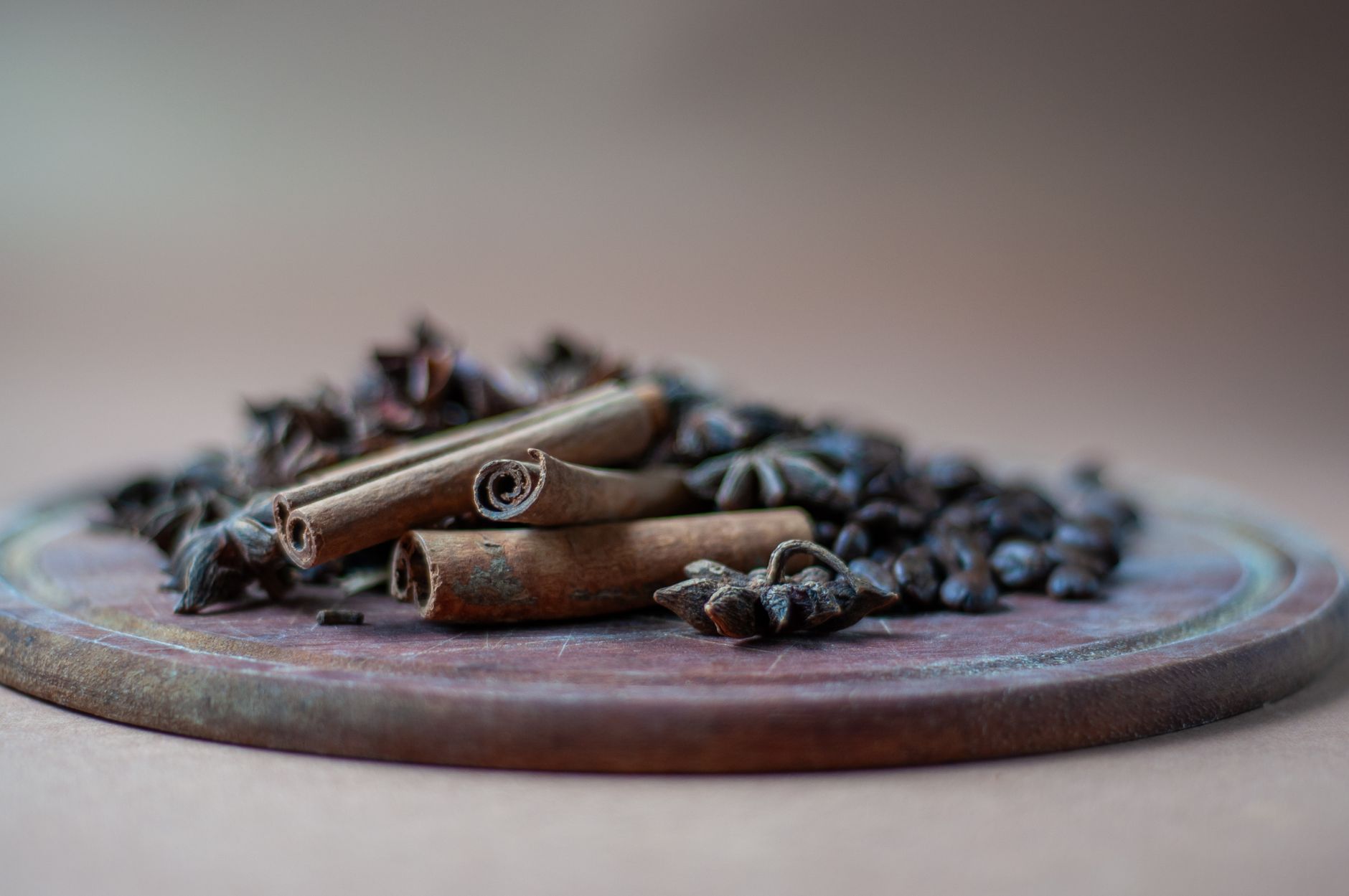
- Spices: A blend of spices commonly includes cardamom, ginger, cinnamon, cloves, and black pepper.
Flavor Profile
The flavor of traditional chai is characterized by a strong, spiced tea base complemented by creamy milk and sweetness. Each spice adds its own unique note, creating a warming and inviting beverage. The balance of sweetness, creaminess, and spice makes chai distinct and delightful.
How to Prepare Traditional Chai
Making a delicious cup of chai from scratch is quite simple. Here’s a basic method:
Yield
Serves 2
Preparation Time
5 minutes
Cooking Time
10 minutes
Total Time
15 minutes
Ingredients
- 2 cups of water
- 2 tablespoons of loose black tea or 2 tea bags
- 1 cup of milk (or non-dairy alternative)
- 2-3 tablespoons of sugar (to taste)
- 1-2 green cardamom pods, crushed
- 1 small piece of fresh ginger, sliced or grated
- 1 stick of cinnamon (optional)
- 2-3 whole cloves (optional)
- 1-2 whole black peppercorns (optional)
Essential Equipment
- Medium saucepan
- Measuring cups and spoons
- Strainer
- Teapot or mugs for serving
Method
- In a medium saucepan, bring 2 cups of water to a boil.
- Add the crushed cardamom, ginger, and any additional spices you are using.
- Once the water has reached a boil, add the loose black tea or tea bags. Reduce the heat and let it simmer for about 5-7 minutes, depending on how strong you prefer your tea.
- Stir in the milk and sugar, then bring the mixture back to a simmer.
- Once steaming, remove from heat and strain the chai into cups, discarding the solids.
- Serve hot and enjoy your traditional chai!
Chai with Coffee: The Trendy Fusion
In recent years, a growing number of coffee drinks have been inspired by traditional chai, leading to variations like the chai latte or even “dirty chai,” which features espresso. Here’s how these beverages differ:
What is a Dirty Chai?
A dirty chai is a popular beverage that combines a chai tea base with espresso, creating a rich, caffeinated drink that blends the warm spices of chai with the boldness of coffee. It’s often enjoyed by those who love the flavor profile of chai but crave the energy boost from coffee.
How to Make a Dirty Chai
Here’s a straightforward recipe to prepare a dirty chai at home:
Yield
Serves 1
Preparation Time
5 minutes
Cooking Time
5 minutes
Total Time
10 minutes
Ingredients
- 1 cup of water
- 1 tablespoon of loose black tea or 1 tea bag
- 1/2 cup of milk (or non-dairy alternative)
- 1-2 tablespoons of sugar (to taste)
- 1-2 green cardamom pods, crushed
- 1 small piece of fresh ginger, sliced
- 1 espresso shot (about 1 ounce)
Essential Equipment
- Medium saucepan
- Espresso machine or coffee maker
- Measuring cups and spoons
- Strainer
- Mug for serving
Method
- Boil 1 cup of water in a medium saucepan.
- Add crushed cardamom and ginger, and then the loose tea or tea bag. Let it simmer for 5 minutes.
- Stir in the milk and sugar, bringing it to a simmer again, then remove from heat and strain.
- Prepare a shot of espresso using your preferred method.
- Combine the strained chai with the espresso in a large mug.
- Mix thoroughly and enjoy your dirty chai!
Common Mistakes When Preparing Chai and Dirty Chai
While making chai and its variations is straightforward, certain pitfalls can affect the final product. Here are some common mistakes to avoid:
- Using low-quality tea: Traditional chai is best made with strong, robust black tea. Poor quality tea can lead to a muddled, flavorless beverage.
- Over-boiling: Boiling tea for too long can make it bitter. Simmer gently once it begins to boil.
- Incorrect spice ratios: Too much or too little of certain spices can overwhelm or dilute the flavor. Experiment to find your preferred balance.
- Skipping the straining step: Leaving tea leaves and spices in the chai can impart unwanted bitterness. Always strain before serving.
- Inadequate milk frothing: For chai lattes, ensure that the milk is aerated for a creamy texture. This can be achieved using a frother or by whisking vigorously.
Storage and Reheating Tips
If you find yourself with leftover chai or dirty chai, proper storage is essential to maintain flavor. Here’s how to store and reheat:
- Storage: Keep leftover chai in an airtight container in the refrigerator for up to 2 days.
- Reheating: Reheat on the stovetop over low heat, stirring to prevent burning. If it has thickened, you may add a splash of water or milk to adjust the consistency.
Variations and Creative Uses
Chai can be adapted in various ways to suit different tastes and preferences. Consider these variations:
- Iced Chai: Brew traditional chai, let it cool, and serve over ice. This refreshing drink is perfect for warm weather.
- Chai Smoothie: Blend cooled chai with yogurt and ice for a refreshing breakfast or snack.
- Spiced Chai Cake: Incorporate chai spices into cake batter for an aromatic dessert.
- Chai Popsicles: Freeze brewed chai in popsicle molds for a unique frozen treat.
Conclusion
While traditional chai does not contain coffee, its adaptability offers room for many variations, including the popular dirty chai. Understanding the basic components and preparation methods of chai allows you to explore and create delightful beverages at home, whether you prefer the traditional version or a coffee-infused alternative. Ready to take the plunge? Prepare your very own cup of chai or experiment with a dirty chai to discover which variant delights your taste buds the most!
For more tips on coffee and chai, consider exploring how much caffeine is in chai tea or check out our protein coffee recipe for an added boost. Your drink adventures await!