
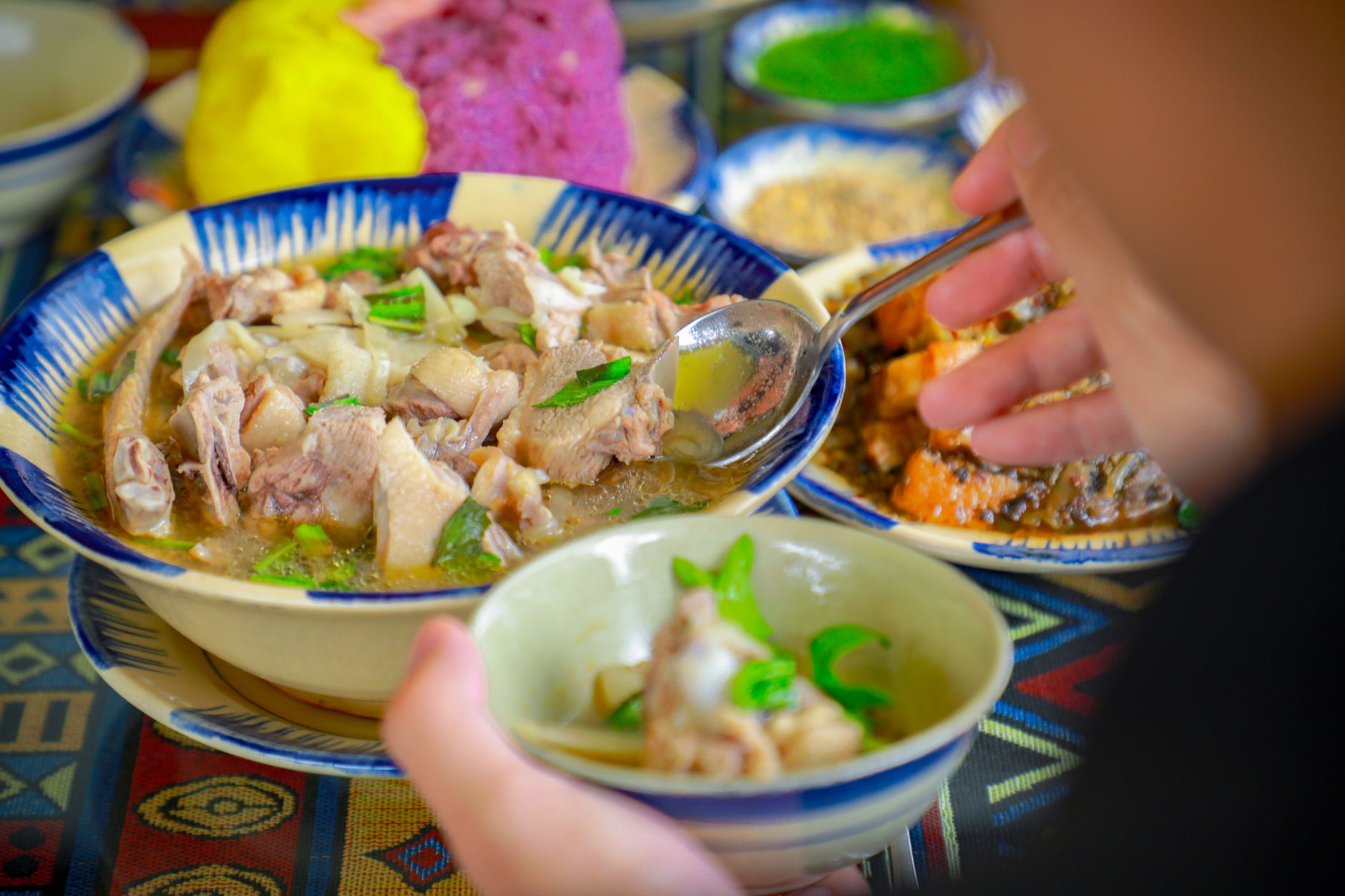
Chicken bones are often discarded after cooking, but some people may wonder if they are safe to eat. While it is generally unsafe to consume chicken bones due to the risk of splinters that can cause choking or injury, there are some caveats and culinary uses worth discussing.
This article explores chicken bones, their safety, potential culinary uses, and tips to maximize your cooking experience while minimizing waste.
Can You Eat Chicken Bones?
Generally, it is not recommended to eat chicken bones, specifically when they are cooked. Cooked bones can splinter and pose choking hazards or cause damage to the digestive tract. There are exceptions, however, such as softened bones from certain cooking methods. In this article, we’ll explore this topic further.
Understanding Chicken Bones
Chicken bones are composed of collagen, marrow, and minerals like calcium and phosphorus. Each bone type has its own texture and structure, which affects its potential for consumption and culinary applications:
- Whole bones: These include leg bones, wing bones, and carcasses. They are generally too hard and stiff to eat safely.
- Small bones: Sparser bones found in smaller poultry, like cornish hens, may pose less risk when cooked.
- Cartilage: The soft tissue often found at the joints is typically safe to consume and adds texture and flavor to dishes.
Why Eating Cooked Chicken Bones is Not Recommended
The primary concern with eating chicken bones is their potential to splinter. When chicken bones are cooked, they become brittle and can break apart easily. These sharp fragments can:
- Cause choking hazards.
- Injure the throat, esophagus, or digestive tract.
- Lead to internal bleeding or organ perforation in severe cases.
Are There Exceptions?
While eating cooked chicken bones is typically discouraged, there are some exceptions.
Softened Bones
In certain dishes, bones can be rendered soft through prolonged cooking methods. For example:
- Bone Broth: Bones simmered for extended periods can break down, resulting in a soft texture. While the broth is safe to consume, the bones are often not intended for eating.
- Smoking or deep-frying: Some people have reported that when chicken wings are smoked or deep-fried, the bones become softer; however, exercise caution.
Small Poultry
Small birds, such as quail or cornish hens, have thinner bones that may be more palatable when cooked thoroughly. Again, assessing taste and texture is crucial while recognizing the risks involved.
Culinary Uses for Chicken Bones
Even if eating chicken bones directly is unadvised, they can be highly beneficial in the kitchen when used wisely.
Making Bone Broth
Bone broth is an excellent way to utilize chicken bones. The bones add flavor and nutrition to the broth, creating a base for soups and stews. Here’s how to make it:
- Ingredients:
- 2-3 pounds of chicken bones (carcass, necks, or wings)
- Water (enough to cover the bones)
- Optional: vegetables, herbs, and seasoning (carrots, celery, onions, bay leaves, etc.)
- Place chicken bones in a large pot or slow cooker.
- Add water until the bones are fully submerged.
- Add optional vegetables and herbs for flavor.
- Bring to a boil over medium heat, then reduce to low. Simmer for at least 6-24 hours, adding water as necessary.
- Strain the broth through a fine mesh sieve.
- Store the broth in jars and refrigerate or freeze for later use.
Using Bones for Stocks
Chicken bones can also be used to make chicken stock, which serves as a versatile cooking base. Stock is generally richer than broth and can be used in a variety of recipes like sauces, risottos, or as a braising liquid.
Chicken Bone Storage Tips
To ensure that your chicken bones and any resulting broth or stock are stored safely, consider the following:
- Store raw chicken bones in a tightly sealed container in the refrigerator for up to 2 days before cooking.
- Cooked chicken bones should not be consumed but can be stored in the refrigerator for 3-4 days before disposal.
- Keep homemade bone broth or chicken stock in an airtight container, either refrigerated for up to a week or frozen for up to 6 months.
Common Mistakes to Avoid
Cooking with chicken bones can enhance many dishes, but there are some common pitfalls to avoid:
- Skimming fat: When making broth, some people avoid skimming off the fat. Removing excess fat creates a clearer broth and improves flavor.
- Cooking time: Skipping or shortening the cooking time can result in a weaker-flavored broth. Aim for at least six hours of simmering.
- Reuse of bones: While bones can be reused, they lose flavor after the first use and may not yield quality broth if used again without new bones.
Final Thoughts on Chicken Bones
Chicken bones are generally not safe to eat due to the risk posed by their potential to splinter. However, they serve a valuable purpose in enhancing the flavor and nutrition of your cooking through stocks, broths, and soups.
Using chicken bones creatively allows for a reduction in waste while enriching your meals. Always prioritize safety and proceed with caution if you’re considering consuming any part of a chicken that is imbued within your dishes.
With this knowledge, explore making delicious homemade bone broth or chicken stock that can elevate your culinary creations. Consider trying your hand at delicious chicken stock or exploring how long cooked chicken lasts to make the most out of your ingredients. Check out other articles for more practical cooking tips.
To continue your culinary journey, you might be interested in learning about how long does cooked chicken last or how to know if chicken is bad for your next cooking project. Explore these topics for exciting additions to your cooking knowledge!