
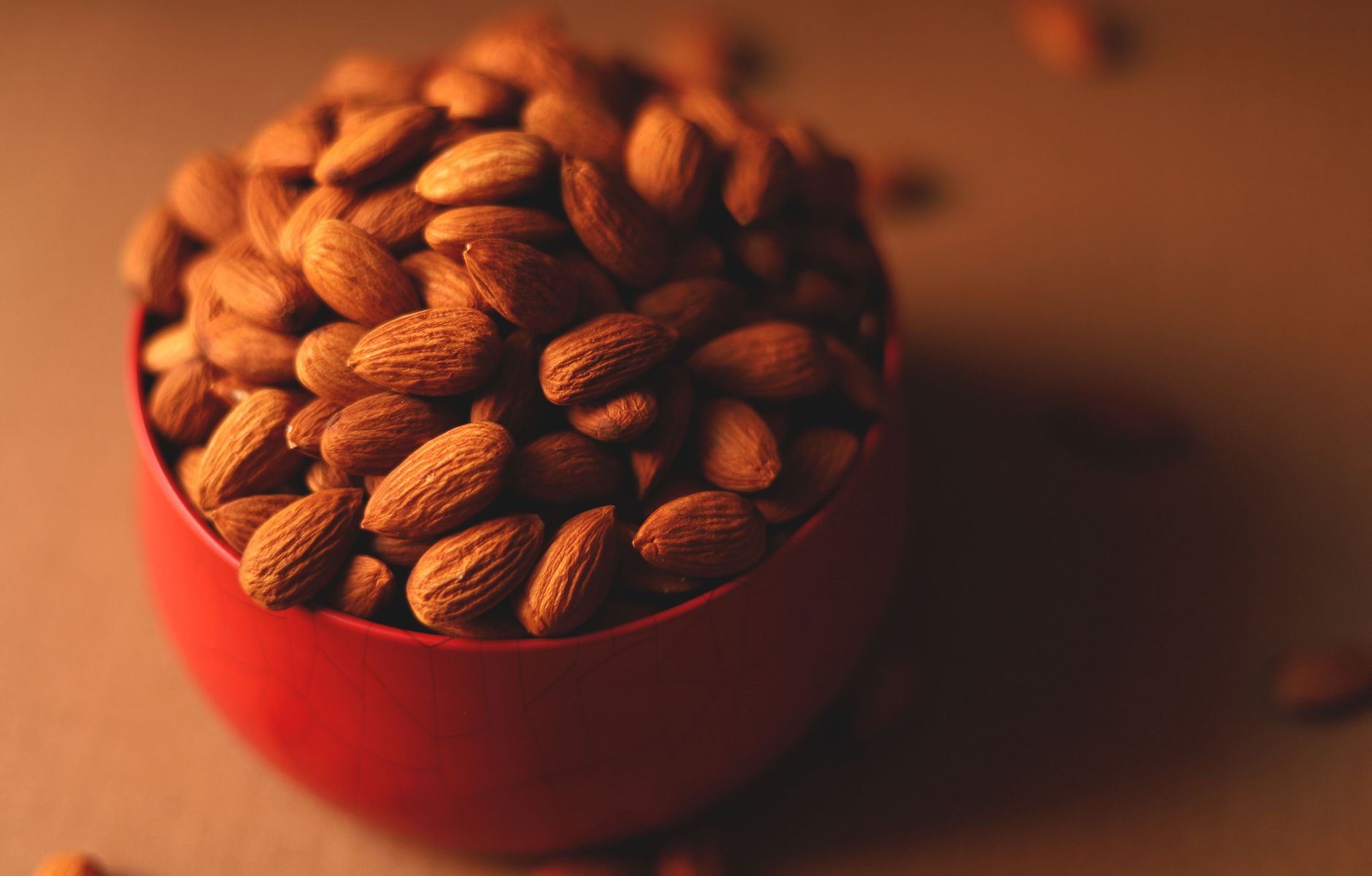
Almonds are not only delicious but also packed with nutritional benefits, making them a favorite snack for many. However, understanding how many calories almonds contain can be crucial for those managing their caloric intake or adhering to specific dietary plans.
This article will explore the calorie content of almonds in various serving sizes, their nutritional values, and how they can fit into your diet. Whether you enjoy them raw, roasted, or in other forms, knowing their caloric content helps you make informed choices.
How Many Calories in Almonds?
One ounce of almonds, which is approximately 28 grams or about 23 almonds, contains about 160 to 170 calories. The exact calorie count may vary slightly depending on whether the almonds are raw, roasted, or flavored. Understanding this information is useful for managing dietary choices, especially for those interested in calorie restriction or nutrition management.
Understanding Serving Sizes of Almonds
The calorie content of almonds varies with the serving size you consume. Here is a breakdown of calories in almonds based on different serving sizes:
| Serving Size | Calories |
|---|---|
| 1 ounce (28g) – about 23 almonds | 160-170 calories |
| 1/2 ounce (14g) – about 12 almonds | 80-85 calories |
| 1 tablespoon (7g) | 40-50 calories |
| 1 cup (143g) – about 143 almonds | 820-830 calories |
Caloric Content of Different Almond Forms
Almonds can be enjoyed in various forms, including raw, roasted, or as almond butter. Here’s how the calorie count may vary:
- Raw Almonds: These almonds offer the most natural form, containing around 160-170 calories per ounce.
- Roasted Almonds: Roasting may slightly increase the calorie count, especially if oil is used in the roasting process. Expect around 170-180 calories for one ounce of roasted almonds.
- Salted Almonds: Again, salted almonds may carry a higher calorie count depending on the amount of salt and oil used during preparation.
- Almond Butter: One tablespoon of almond butter typically contains about 95 calories. If you spread two tablespoons on your toast, it would add about 190 calories to your meal.
- Almond Flour: Made from ground almonds, about 1/4 cup contains roughly 160 calories, making it a popular gluten-free alternative in baking.
Nutritional Benefits of Almonds
While managing calories is essential, the nutritional benefits of almonds should not be overlooked. Here are some key nutrients found in almonds:
- Healthy Fats: Almonds are rich in monounsaturated fats, which are beneficial for heart health.
- Protein: Containing about 6 grams of protein per ounce, almonds can be a satisfying snack that keeps you feeling full.
- Fiber: They are a good source of dietary fiber, with about 3.5 grams per ounce, aiding in digestion.
- Vitamins and Minerals: Almonds provide a significant amount of Vitamin E, magnesium, and calcium, contributing to overall health.
Incorporating Almonds into Your Diet
Incorporating almonds into your daily meals can be both simple and enjoyable. Here are some practical ideas:
Healthy Snacks
Almonds make for a perfect snack. Enjoy a handful of raw or roasted almonds in between meals for a nutritious pick-me-up. Pair them with your favorite fruits for added fiber and vitamins.
Breakfast Ideas
Add slivered or chopped almonds to your oatmeal, yogurt, or smoothie bowls for an extra crunch. Almonds can complement various breakfast options, enhancing both flavor and nutritional value.
Salads and Dishes
Mix almonds into salads for added texture or use them as a topping for roasted vegetables or stir-fries. Their buttery flavor pairs well with a range of dishes.
Baking
Incorporate almond flour in your baking recipes as a gluten-free substitute. Almond flour can be used in cookies, pancakes, and breads, infusing a delightful nutty flavor.
Almond Milk
Making almond milk at home or purchasing unsweetened almond milk offers a low-calorie alternative to dairy. It typically contains around 30-40 calories per cup, making it a calorie-friendly choice for smoothies and cereal.
Practical Tips for Portion Control
Managing the number of almonds you consume is essential, especially if you are mindful of caloric intake. Here are some tips:
- Pre-portion your snacks: Prepare small bags of almonds for quick and easy snacking, which can help avoid overindulgence.
- Measure your servings: Use a kitchen scale or measuring cup to ensure you are consuming appropriate portion sizes.
- Combine with other foods: Mix almonds with other low-calorie foods such as fruits or vegetables to create a balanced snack.
Common Mistakes When Eating Almonds
Here are some pitfalls to avoid when including almonds in your diet:
- Overestimating serving sizes: It’s easy to mindlessly snack on almonds. Always measure your portions to keep track of caloric intake.
- Choosing flavored or salted almonds: These variations can increase sodium and calorie content, overshadowing their health benefits.
- Ignoring the context of your diet: Every nut has calories and should fit within your total nutritional goals for the day; balance them with other food groups.
What About Caloric Intake in Different Diet Plans?
If you’re following specific diet plans, almonds can fit in various ways:
Keto Diet
Almonds are low in carbohydrates and high in healthy fats, making them an excellent option for those on a ketogenic diet. Consuming about 1-2 ounces can support your keto macros effectively.
Paleo Diet
As a whole food, almonds are permissible on the paleo diet. They provide healthy fats and protein without processed ingredients.
Vegetarian and Vegan Diets
Almonds provide a plant-based source of proteins and healthy fats, making them ideal for vegetarian and vegan diets. They enhance nutrient diversity in meals.
Buying and Storing Almonds
When selecting almonds, consider the following:
Selecting Almonds
Choose high-quality almonds by checking for the following:
- Look for whole, unbroken almonds with a natural color.
- Avoid containers with visible inclusion of dust or debris.
- Check for a sell-by date to ensure freshness.
Storing Almonds
Proper storage is essential to maintain the quality of almonds:
- Keep them cool: Store in an airtight container in a cool, dark place like your pantry.
- Refrigeration: For longer shelf life, consider refrigerating or freezing almonds, which can protect them from spoiling.
- Avoid exposure to air: Exposure can lead to rancidity, so always ensure the container is sealed after use.
Final Thoughts on Almonds
Almonds are a versatile, nutrient-dense food that can be enjoyed in various forms. With approximately 160-170 calories per ounce, they are an excellent addition to snacks, meals, and even desserts. Understanding their caloric content and nutritional benefits can assist in incorporating them into your dietary routine effectively.
For a healthy start, consider exploring a creamy Chia Pudding Recipe with Coconut Milk or try making a gluten-free Almond Flour Bread. Both recipes can add nutritional value while keeping your caloric intake in check.
Remember to be mindful of serving sizes and choose almonds that suit your dietary needs. With their numerous benefits, almonds can be a staple in your kitchen, enhancing both taste and health.
Explore more related cooking tips, and food guides or try your hand at baking with almond flour!