
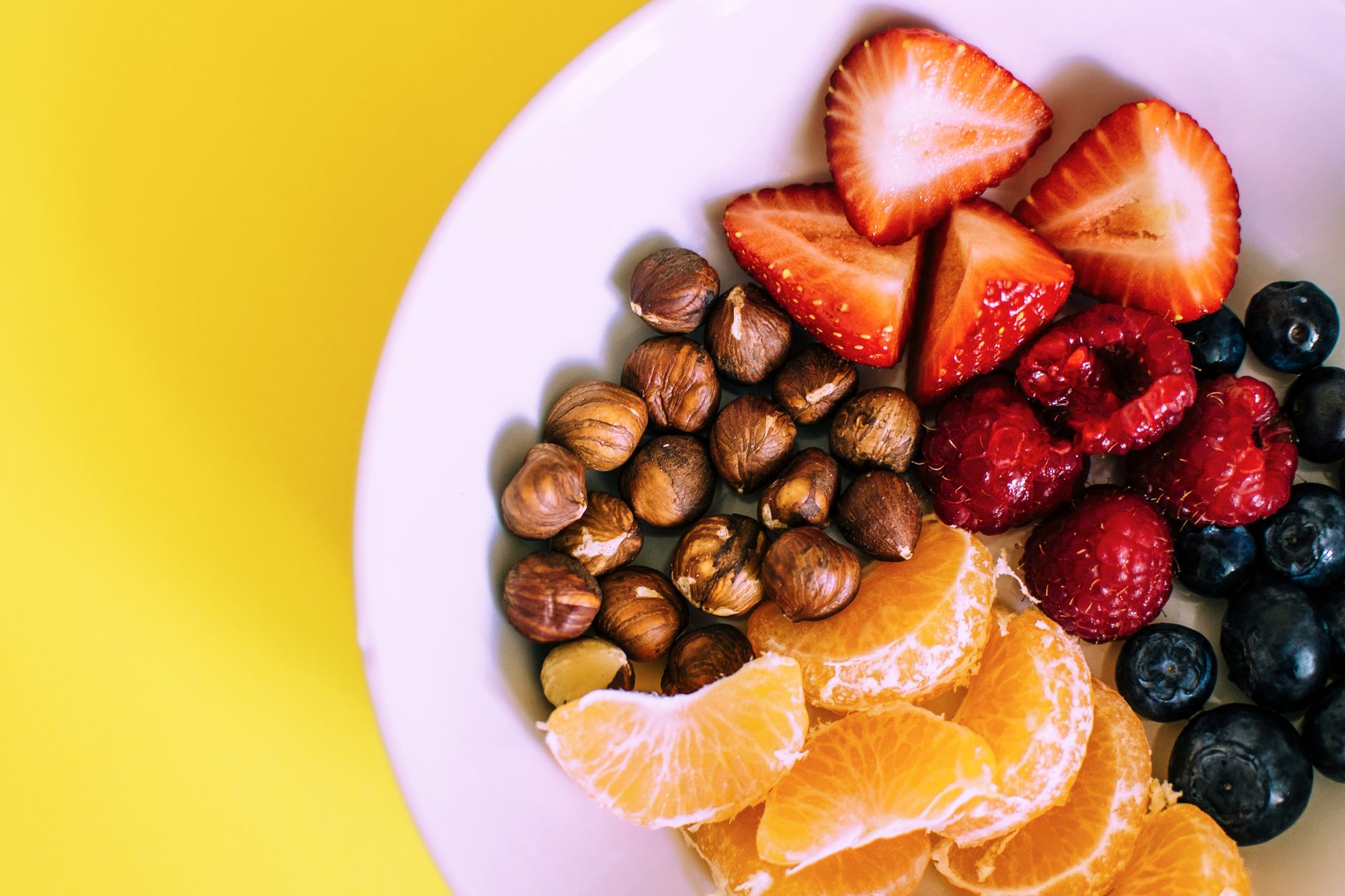
Nutrient-dense foods are those that provide a high amount of nutrients in relation to their caloric content. This means that these foods are rich in vitamins, minerals, and other beneficial compounds while being relatively low in calories. In a world where fast food and processed snacks dominate, understanding nutrient density can significantly impact dietary choices and overall health.
In this article, we’ll explore what nutrient-dense foods are, why they are essential, and provide insights into their taste, texture, and practical kitchen uses. You’ll find that incorporating these foods into your meals can enhance flavor and nutrition without adding unnecessary calories.
What Is Nutrient Dense Food?
Nutrient-dense food refers to those with a higher concentration of vitamins, minerals, and other beneficial nutrients compared to the number of calories they provide. Examples include fruits, vegetables, whole grains, lean proteins, nuts, and seeds. These foods help maintain health and can prevent diseases while supporting energy levels.
Characteristics of Nutrient Dense Foods
Nutrient-dense foods generally share several characteristics that contribute to their health benefits:
- High in Vitamins and Minerals: They contain significant amounts of essential vitamins and minerals necessary for bodily functions.
- Low in Added Sugars and Saturated Fats: Foods that are nutrient-dense typically have little to no added sugars and unhealthy fats.
- Rich in Fiber: Many nutrient-dense options are high in dietary fiber, which aids digestion and promotes satiety.
- Natural Whole Foods: They are often less processed and closer to their natural state than other food varieties.
Examples of Nutrient Dense Foods
To give you a clearer idea, here are some amazing examples of nutrient-dense foods:
- Leafy Greens: Spinach, kale, and collard greens are packed with vitamins A, C, K, and minerals like calcium and iron.
- Fruits: Berries, oranges, and apples provide antioxidants, vitamins, and fiber.
- Whole Grains: Oats, quinoa, and brown rice are excellent sources of fiber and various B vitamins.
- Nuts and Seeds: Almonds, chia seeds, and flaxseeds contain healthy fats, protein, and various micronutrients.
- Lean Proteins: Fish, chicken, beans, and legumes are high in protein and lower in unhealthy fats.
Understanding Taste and Texture
The taste and texture of nutrient-dense foods can be varied and exciting. Exploring new combinations can make them appealing and enjoyable in your meals.
Taste
Nutrient-dense foods offer an array of flavors. For instance:
- Leafy greens: They can have a mild, earthy flavor that pairs well with vinegars or citrus.
- Fruits: Berries can be sweet and tart, while apples can range from crisp and sweet to tart and juicy.
- Nuts and seeds: These add a rich, buttery flavor and crunchy texture to dishes, making them satisfying additions to salads and snacks.
Texture
The texture of nutrient-dense foods can provide a wonderful mouthfeel:
- Crunch: Nuts and seeds can contribute a satisfying crunch to salads, yogurts, or snacks.
- Creamy: Avocados and certain dairy products like Greek yogurt can add creamy elements to smoothies and dishes.
- Juicy: Fresh fruits like oranges and berries offer a refreshing juiciness that can elevate any meal or snack.
Kitchen Uses of Nutrient Dense Foods
Incorporating nutrient-dense foods into your cooking can enhance meals nutritionally and flavorfully. Here are some practical kitchen uses:
Salads and Bowls
Building a salad or grain bowl with nutrient-dense foods is an easy way to maximize nutrition:
- Start with a base of leafy greens like spinach or kale.
- Add a variety of colorful vegetables like bell peppers, cucumbers, and carrots.
- Include a source of protein such as grilled chicken, chickpeas, or beans.
- Top with healthy fats like avocado, nuts, or seeds.
- Drizzle with a simple vinaigrette made of olive oil and vinegar.
Smoothies
Smoothies are another convenient way to consume nutrient-dense foods. Consider the following structure:
- Choose a base: spinach, kale, or a nut milk.
- Add fruits: bananas, berries, or mango for sweetness.
- Add protein: yogurt, nut butter, or protein powder.
- Include extras: chia seeds, flaxseeds, or oats for added nutrients.
Snacks
Nutrient-dense foods can help create powerful snacks:
- Nut butter with fruit: Pair almond or peanut butter with apples or bananas for a filling snack.
- Yogurt with berries: Combine Greek yogurt with fresh or frozen berries and a sprinkle of flaxseed.
- Vegetable sticks and hummus: A colorful platter of vegetable sticks with a protein-rich hummus dip is always a winner.
Practical Substitutions
When cooking with nutrient-dense foods, substitutions can boost the overall nutrition of your dishes. Here are some ideas:
- Swap white grains for whole grains: Use brown rice or quinoa in place of white rice for added fiber.
- Use Greek yogurt instead of sour cream: This gives a creamy texture and adds protein while reducing fat.
- Replace chips with veggie sticks: Carrot or cucumber sticks can provide the crunch without the extra calories.
Common Mistakes to Avoid
When it comes to incorporating nutrient-dense foods into your diet, watch out for these common pitfalls:
- Thinking all processed foods are bad: Some minimally processed foods (like frozen fruits and vegetables) are nutrient-dense.
- Neglecting preparation: Nutrient density can decrease with improper cooking methods; steaming is often better than boiling.
- Overloading on dressings and sauces: Be mindful of high-calorie dressings that can negate the benefits of your nutrient-dense meals.
Meal Planning with Nutrient Dense Foods
Effective meal planning allows for better integration of nutrient-dense foods into your weekly diet. Here’s a suggested plan:
Weekly Menu Structure
To ease the process, consider structuring your week around nutrient-dense foods:
| Day | Breakfast | Lunch | Dinner | Snacks |
|---|---|---|---|---|
| Monday | Overnight oats with fresh berries | Quinoa salad with mixed veggies | Grilled chicken with steamed broccoli | Hummus with carrot sticks |
| Tuesday | Smoothie with spinach, banana, and yogurt | Lentil soup | Baked salmon with quinoa and asparagus | Greek yogurt with nuts |
| Wednesday | Egg scramble with spinach | Chickpea and avocado wrap | Vegetable stir-fry with tofu | Fresh fruit |
Storage Tips for Nutrient Dense Foods
Proper storage can maintain the nutrient density of your foods:
- Leafy Greens: Store in a breathable bag in the fridge to maintain freshness.
- Fruits: Keep them at room temperature until ripe, then refrigerate if necessary.
- Nuts and Seeds: Store in a cool, dark place, ideally in airtight containers to prevent rancidity.
- Dairy Alternatives: Keep in the fridge and consume within the expiration date for best quality.
Conclusion
Nutrient-dense foods are a vital part of a healthy diet, offering a range of flavors, textures, and health benefits that contribute to overall wellness. By incorporating these foods into your meals and being mindful of preparation techniques, you can enhance both the nutritional quality and enjoyment of your diet.
Explore related recipes or cooking tips to expand your culinary knowledge and keep meals both delicious and nutritious. Check out the benefits of chia seeds or try a chia pudding recipe with coconut milk for a nutrient boost in your diet.