
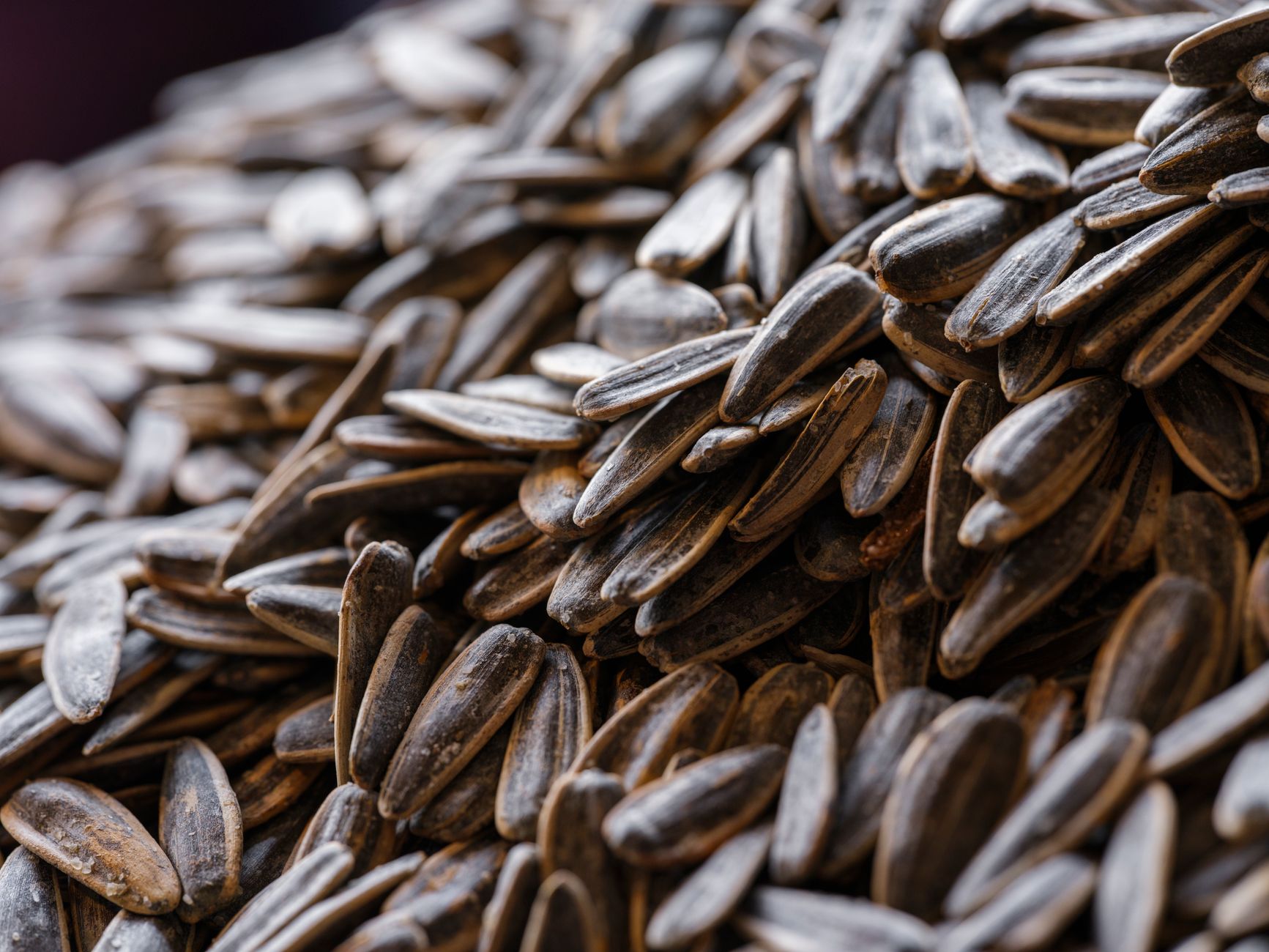
Sunflower seeds are a popular snack, known for their delicious nutty flavor and versatility. However, a common question that arises is whether or not you can eat the shell of a sunflower seed. In this article, we will explore the pros and cons of consuming sunflower seed shells, their nutritional value, and how best to enjoy sunflower seeds, shell or no shell.
While sunflower seeds can be savored on their own, understanding their shells can enhance your snacking experience. Let’s dive into the details to provide you with all the information you need.
Can You Eat the Shell of a Sunflower Seed?
Yes, you can eat the shell of a sunflower seed, but it is generally not recommended. The shell is hard and fibrous, which makes it difficult to digest. Some people choose to consume the shells for additional fiber, but they may cause gastrointestinal discomfort. Most enjoy sunflower seeds by removing the shell to partake in the tender seed inside.
Understanding Sunflower Seeds
Sunflower seeds come from the sunflower plant (Helianthus annuus) and are harvested from the flower head during the late summer months. Once harvested, the seeds can be consumed raw, roasted, or flavored, making them an incredibly versatile ingredient. They are often sold in different forms, including:
- Raw seeds with shells
- Roasted seeds with shells
- Raw seeds without shells (often called “kernels”)
- Roasted seeds without shells, often salted or flavored
The shells are generally tough and have little nutritional value compared to the seeds themselves. They can, however, provide dietary fiber. Still, the risks of discomfort typically outweigh the benefits of eating the shells.
Nutritional Aspects of Sunflower Seed Shells
Sunflower seed shells are high in indigestible fiber, which can contribute to digestive issues if consumed in significant amounts. Here’s a breakdown of the nutritional components:
- Calories: Minimal calories, but can add up if consumed in large quantities.
- Fiber: High fiber content that can help with digestion.
- Minerals: May contain trace amounts of minerals like calcium and magnesium, primarily from the soil.
- Organic matter: Contains lignin and cellulose, components that are not digestible by humans.
While fiber is essential for a healthy digestive tract, sunflower seed shells do not provide significant nutritional benefits. Therefore, consuming them is usually not necessary for meeting your daily fiber needs.
The Taste and Texture
The shells of sunflower seeds are hard, crunchy, and can have a slightly bitter taste. When chewing on a shell, you may find them too fibrous, and they often stick in your teeth. In contrast, the insides of sunflower seeds, known for their nutty flavor, are where you’ll find the real taste and nutritional benefits.
How to Enjoy Sunflower Seeds
If you’re looking to get the most out of sunflower seeds, consider these popular methods and recipes:
1. Roasted Sunflower Seeds
Roasting sunflower seeds enhances their flavor and crunchiness. Here’s a simple method:
- Ingredients:
- 1 cup raw sunflower seeds
- 1 tbsp olive oil (optional)
- Salt, to taste
- Preheat your oven to 350°F (175°C).
- In a bowl, toss the raw sunflower seeds with olive oil and salt if desired.
- Spread the seeds in a single layer on a baking sheet.
- Bake for about 10-15 minutes, stirring halfway through, until golden brown.
- Remove from the oven and let cool before enjoying.
2. Sunflower Seed Butter
Sunflower seed butter is a delicious alternative to peanut butter. It’s easy to make at home:
- Ingredients:
- 2 cups roasted sunflower seeds
- 1-2 tbsp honey or maple syrup (optional, for sweetness)
- Salt, to taste
- Oil, as needed for texture
- Place the roasted sunflower seeds in a food processor.
- Blend on high until the seeds turn into a creamy butter, which may take several minutes.
- Add honey or syrup for sweetness and oil for a creamier consistency, if desired.
- Store in an airtight container in the fridge for up to two weeks.
3. Adding to Salads and Snack Mixes
Sunflower seeds can be tossed into salads for a protein boost or added to trail mixes with dried fruits and nuts for a nutritious snack.
- Snack Mix Idea:
- 1 cup sunflower seeds
- 1 cup mixed nuts (almonds, walnuts, cashews)
- 1 cup dried cranberries or raisins
- 1/2 cup dark chocolate chips (optional)
Combine all ingredients in a bowl, mix well, and enjoy as a tasty snack.
Common Mistakes When Consuming Sunflower Seeds
Here are some points to consider to avoid common pitfalls:
- Eating the Shell: As mentioned, consuming large quantities of the shell can lead to digestive issues.
- Over-salting: Many store-bought roasted sunflower seeds are heavily salted, which can contribute to high sodium intake.
- Not Chewing Thoroughly: Always ensure you chew sunflower seeds properly to avoid choking on the shell, even if you choose to eat them.
Storage and Shelf Life
Proper storage is essential for maintaining the quality and flavor of sunflower seeds, whether shelled or unshelled.
- For Shelled Sunflower Seeds: Store in an airtight container in a cool, dark place for up to six months or in the fridge for longer freshness.
- For Unshelled Sunflower Seeds: Similarly, keeping them in a cool, dry place can protect them from rancidity. Properly stored, they could last up to a year.
Roasted sunflower seeds may have a reduced shelf life compared to raw seeds due to the potential for oil rancidity. If you notice any off smells or tastes, it’s best to discard them.
Sunflower Seed Shells: Other Uses
If you choose not to consume them, sunflower seed shells can be repurposed in various creative ways:
- Garden Compost: Their fibrous nature makes them an excellent addition to compost, adding bulk and improving soil texture.
- Natural Mulch: They can also be used as mulch in gardens to help retain moisture and suppress weeds.
- Craft Projects: Empty shells can be used in various crafting activities—think homemade bird feeders or as decorative elements in gardening projects.
Conclusion
In summary, while you can technically eat sunflower seed shells, it’s advisable to enjoy the seeds themselves for the best flavor and nutritional benefits. Prepared in different ways, sunflower seeds can be a delightful and healthful addition to your diet. Whether you prefer them roasted, as sunflower seed butter, or tossed into salads, there’s no shortage of ways to enjoy this versatile snack.
You might explore more food guides and cooking tips to expand your repertoire or try different seeds in a healthy diet. Check out our articles for creative uses of nuts, snack ideas, and more cooking techniques!