
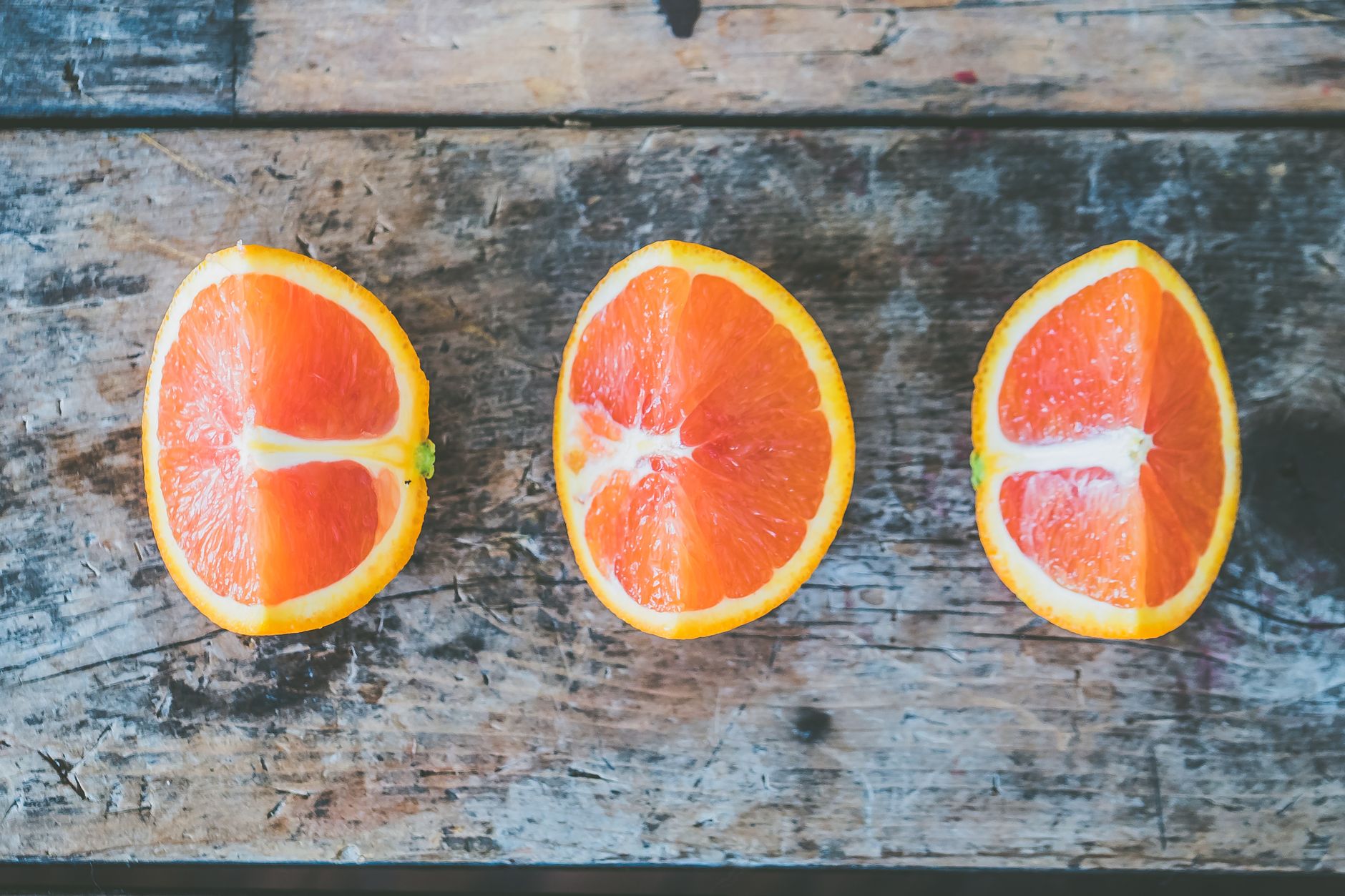
When you’re planning to make fresh orange juice or need to understand how oranges fit into your culinary needs, knowing how much juice you can get from an orange is essential. The amount of juice varies depending on various factors, including the type of orange, its size, and ripeness.
This article will explore the average juice yield from different types of oranges, serving sizes, and practical tips for maximizing juice extraction. Whether you’re juicing for breakfast, using it in a recipe, or simply trying to understand your ingredient better, we’ve got you covered.
How Much Juice in an Orange?
The average orange contains about 2 to 4 ounces of juice, equating to roughly 1/4 to 1/2 cup. However, this can vary based on the orange type and its size; larger oranges generally yield more juice than smaller ones.
The most commonly juiced varieties include navel oranges and Valencia oranges, both of which have a high juice content. Navel oranges are great for eating and juicing, while Valencia oranges are particularly prized for their juice, especially in the summer months.
Understanding Orange Varieties
Before examining juice yield, grasping the different types of oranges can enhance your understanding and selection for juicing:
- Navel Oranges: Sweet, seedless, and easy to peel, they yield about 2 to 3 ounces of juice per orange.
- Valencia Oranges: Often considered the king of juicing oranges, they possess a rich, sweet flavor and yield around 3 to 4 ounces of juice.
- Blood Oranges: Not only visually striking, these oranges have a tangy sweetness and provide about 2 to 3 ounces of juice, excellent for unique and flavorful beverages.
- Mandarin Oranges: Smaller and sweeter than other types, they produce about 1 to 2 ounces of juice. Ideal for lighter, sweet blends.
Maximizing Juice Extraction
Getting the most juice from your oranges enhances any dish or drink. Here are some techniques to maximize your yield:
Selecting the Right Oranges
For optimal juicing, choose ripe, heavy oranges with smooth skin. Heaviness indicates juiciness, while smoother skin often signifies ripeness.
Preparation Techniques
- Room Temperature: Let your oranges sit at room temperature for a bit. Cold oranges yield less juice, as the cold can stiffen the fruit’s fibers.
- Rolling: Gently roll the orange on a countertop or cutting board with your palm before cutting it. This technique helps break down some of the inner membranes to release more juice.
- Halving: Cut the orange in half with a sharp knife. This creates two large surfaces for juicing.
Juicing Techniques
Choose from these methods depending on your kitchen equipment:
- Manual Juicer: Use a hand-held juicer to apply pressure effectively. This method can yield around 50% more juice compared to squeezing by hand.
- Electric Juicer: A powered juicer can extract juice efficiently, especially from high-yield oranges.
- By Hand: Simply squeeze the halves with your hands. While it may be less efficient, it’s a straightforward method.
How Many Oranges for a Recipe?
Understanding how many oranges to use in recipes is essential for planning portions. Here’s a general guide for the number of oranges needed based on typical juice yield:
| Recipe Requirement (in cups of juice) | No. of Navel Oranges | No. of Valencia Oranges |
|---|---|---|
| 1/2 cup | 1-2 | 1 |
| 1 cup | 2-3 | 1-2 |
| 1 1/2 cups | 3-4 | 2-3 |
| 2 cups | 4-5 | 2-3 |
Serving Sizes for Juiced Oranges
When serving orange juice, typical serving sizes are important to keep in mind. Here is a general guide:
- Small Serving: 4 ounces (1/2 cup) – perfect for smaller appetites.
- Standard Serving: 8 ounces (1 cup) – a classic size for breakfast beverages.
- Larger Serving: 12 ounces (1 1/2 cups) – often served in restaurants for a refreshing option.
Common Mistakes When Juicing Oranges
Even seasoned cooks can make mistakes when juicing oranges. Here are common pitfalls and tips to avoid them:
- Juicing Cold Oranges: Cold fruit yields less juice; allow them to warm up.
- Not Rolling the Oranges: This is a simple yet effective technique to increase juice extraction.
- Overly Soft Oranges: While ripe fruits are essential, overly soft can indicate over-ripeness; choose firm ones.
Storing Fresh Orange Juice
Fresh orange juice tastes best immediately but can last in the refrigerator under the right conditions. Here are storage tips:
- Refrigeration: Store in an airtight container to retain freshness for up to three days.
- Freezing: Orange juice can be frozen for up to six months. Use ice cube trays for easy portioning.
Using Orange Juice in Culinary Applications
Fresh orange juice is versatile and can be used in various culinary applications:
In Beverages
Beyond just served as juice, orange juice can be the base for cocktails (like mimosas), smoothies, and salad dressings. Experiment with citrusy marinades or glazes for fish and chicken to enhance their flavors.
Baking with Orange Juice
In baking, orange juice adds moisture and natural sweetness. It can be incorporated into cakes, muffins, and bread. Often, it’s paired with complementary flavors like chocolate or spices.
Cooking with Orange Juice
Using orange juice in savory dishes, such as stir-fries or braises, can impart a fresh, zesty note. Consider using it for sauces to accentuate flavors without overpowering them.
Conclusion
Understanding how much juice you can extract from an orange and the various ways to utilize that juice can enrich your culinary experience. With careful selection and preparation, oranges can elevate your beverages, dishes, and even baked goods.
Explore more about enhancing your recipes with sweet citrus in our articles on making orange sherbet and learn how to add a delicious twist with cranberry sauce featuring orange.