
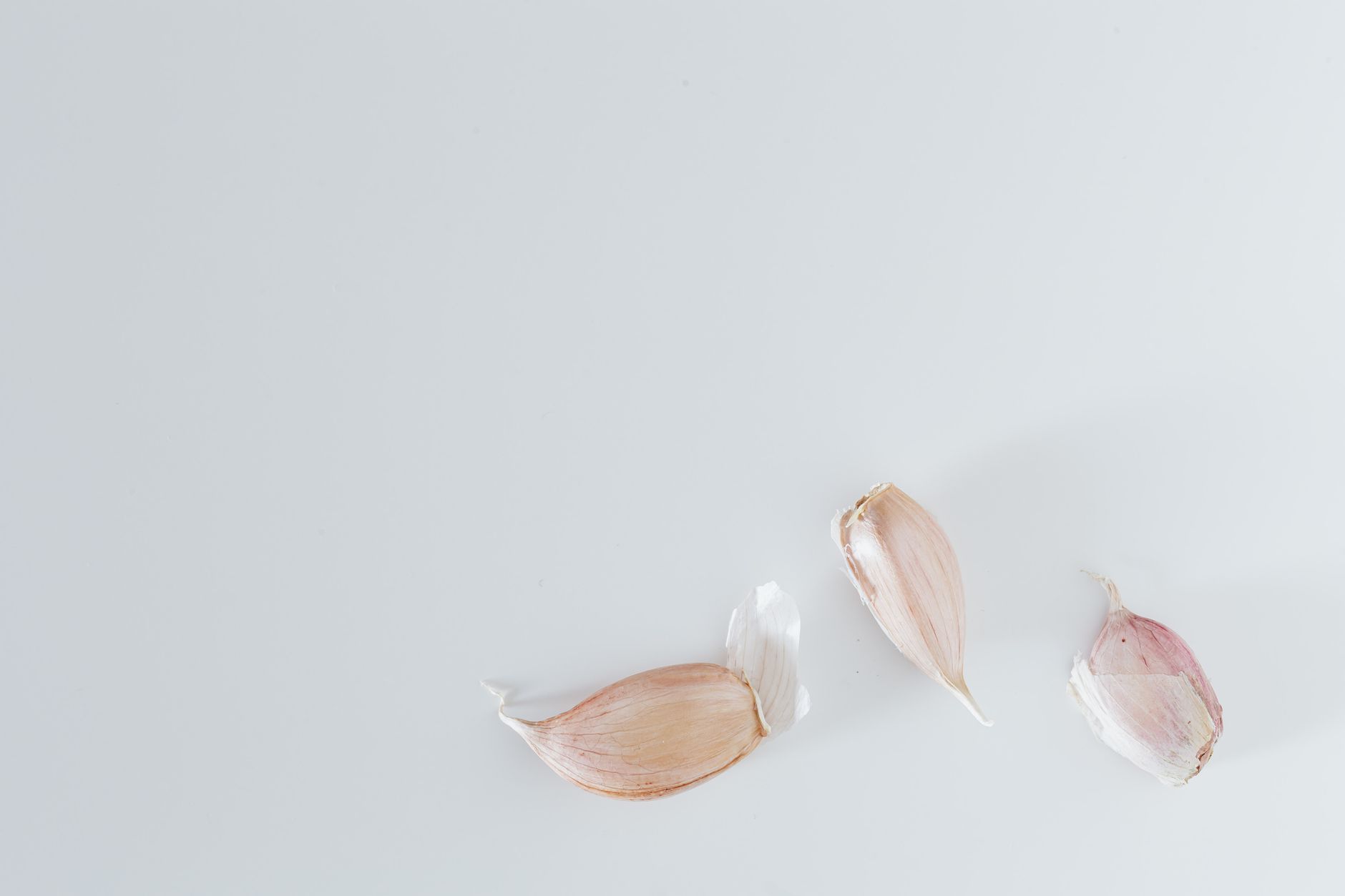
Garlic is a beloved ingredient in kitchens around the world, known for its distinctive flavor and numerous culinary applications. A common question that arises, particularly among home cooks, is how many cloves of garlic correspond to a tablespoon of this aromatic bulb. Understanding this conversion can make recipes easier to follow and ensure your dishes achieve the desired flavor balance.
This guide will clarify how many cloves make up a tablespoon of garlic while exploring variations in clove size, ways to use garlic in cooking, and helpful tips for measuring and preparing this versatile ingredient. With this information, you’ll be better equipped to enhance your meals with garlic.
How Many Cloves Is a Tablespoon of Garlic?
A tablespoon of minced garlic generally equates to about 5 to 6 cloves, depending on the size of the cloves. This conversion can vary slightly given that garlic bulbs can differ significantly in clove size.
Understanding Garlic Clove Sizes
Garlic is sold in bulbs, which can consist of multiple individual cloves. The size of these cloves can impact how many you need for a tablespoon measurement:
- Small cloves: Typically yield about 1 teaspoon each when minced, which means you may need 6 to 7 cloves to reach 1 tablespoon.
- Medium cloves: Usually yield around 1.5 teaspoons when diced. A rough estimate would be 4 to 5 cloves for 1 tablespoon.
- Large cloves: Can offer around 2 teaspoons when minced, which may mean that only 3 to 4 large cloves are needed for 1 tablespoon.
How to Measure Garlic
Measuring garlic accurately is essential for achieving the right flavor in your dishes. Here’s how you can do it:
- Peel the Garlic: Remove the outer layers of the garlic bulb, peeling away the dry papery skin.
- Separate the Cloves: Gently twist or use a small knife to break apart the bulb and access the individual cloves.
- Crush or Chop: To prepare garlic, you can use a garlic press, a knife, or a grater. Crushing or mincing releases the oils, enhancing its flavor.
- Measure: After mincing, use a measuring spoon to scoop out the minced garlic. One tablespoon will generally take about 5 to 6 average-sized cloves.
Tips for Working with Garlic
Working with garlic can sometimes be challenging, especially for novice cooks. Here are some helpful tips:
- Use a Sharp Knife: A sharp knife will make chopping easier and reduce the chances of crushing the garlic instead of cutting it.
- Let Garlic Sit: Allow minced garlic to sit for 10-15 minutes before cooking. This process activates some beneficial compounds.
- Avoid Browning: Garlic can burn quickly, so it’s best to add it later in the cooking process or use lower heat when sautéing.
- Store Garlic Properly: Keep garlic bulbs in a cool, dry place. Once a bulb is opened, use the cloves within 10 days for optimal flavor.
How to Use Garlic in Recipes
Garlic is a versatile ingredient that can elevate various dishes. Here are some popular ways to incorporate garlic in your cooking:
1. Sautéed Garlic
Sautéed garlic can enhance dishes, from vegetables to pasta. To achieve this:
- Heat oil in a pan over medium-low heat.
- Add minced garlic and cook gently until fragrant (about 1 minute), being careful not to let it burn.
- Use this sautéed garlic as a base for sauces, stir-fries, or as a flavor enhancer for roasted vegetables.
2. Garlic in Dressings and Sauces
Many dressings and sauces benefit from fresh garlic. Consider using garlic in:
- Vinaigrettes: Mix minced garlic with olive oil, vinegar, and herbs for a robust salad dressing.
- Pesto: Blend garlic with basil, nuts, and cheese for a classic Italian sauce.
- Marinades: Garlic can add depth to marinades for meats and vegetables.
3. Baking with Garlic
Breads and baked goods can also benefit from garlic. Consider making:
- Garlic Bread: Combine minced garlic with butter and spread onto bread before toasting.
- Garlic Rolls: Incorporate garlic into the dough for flavorful dinner rolls.
Substitutions for Fresh Garlic
In some cases, you may need a substitute for fresh garlic. Here are a few options:
- Garlic Powder: Use 1/8 teaspoon of garlic powder for each clove. This may provide a different flavor profile as it lacks the same freshness.
- Granulated Garlic: Similar to garlic powder but coarser. Use the same ratio as garlic powder.
- Shallots: Shallots can mimic garlic’s flavor and sweetness. Use 1 tablespoon of finely minced shallots for each clove of garlic.
- Garlic Salt: If using garlic salt, reduce the other salt in the recipe. Use 1/4 teaspoon of garlic salt per clove.
Cooking Techniques for Garlic
Garlic can be baked, sautéed, roasted, or even consumed raw. Each method brings out different flavors:
1. Roasting Garlic
Roasting garlic sweetens its flavor and softens the texture. To roast garlic:
- Preheat your oven to 400°F (200°C).
- Slice the top off the garlic bulb to expose the cloves.
- Drizzle with olive oil and wrap tightly in aluminum foil.
- Bake for 30-40 minutes or until soft and caramelized.
- Squeeze the roasted cloves out and use them in various recipes.
2. Garlic Confit
This technique involves gently cooking garlic cloves in oil until tender, creating a silky texture and rich flavor. To prepare garlic confit:
- Combine peeled garlic cloves and enough olive oil to cover them in a small saucepan.
- Cook over low heat for about 45 minutes, until the garlic is tender and slightly golden.
- Store in the refrigerator in an airtight container for several weeks.
Common Mistakes When Using Garlic
Many cooks may not realize how easily garlic can be misused. Here are some pitfalls to avoid:
- Overcooking: Burning garlic can lead to a bitter flavor. Always monitor garlic closely while cooking.
- Choosing Old Garlic: Garlic that has sprouted or is soft may not provide the desired flavor or aroma. Use the freshest bulbs available.
- Chopping Too Early: Garlic that has been minced or chopped and left to sit too long can lose some of its potency and fresh flavors.
Storage Tips for Garlic
Proper garlic storage is crucial for maintaining its flavor and freshness. Follow these guidelines:
Whole Bulbs
Store whole bulbs in a cool, dark, and dry place, such as a pantry. Avoid refrigeration, as it can encourage sprouting.
Peeled or Minced Garlic
If you’ve peeled or minced garlic, keep it in an airtight container in the refrigerator. Use it within a week for the best flavor.
Frozen Garlic
Garlic can also be frozen for longer storage. To freeze:
- Peel and chop the garlic as desired.
- Place the minced garlic in an ice cube tray and cover with olive oil.
- Freeze until solid, then transfer the cubes to a resealable plastic bag and store in the freezer.
Conclusion
Understanding how many cloves are equivalent to a tablespoon of garlic can simplify meal preparation and recipes. Remember that approximately 5 to 6 cloves yield a tablespoon, though variations exist based on clove size. By following tips for measuring and cooking with garlic, you can unlock its full flavor potential in your dishes.
For further culinary inspiration, explore our [garlic mayo recipe](https://mamassecretrecipes.com/garlic-mayo-recipe/) or learn about the difference between [granulated garlic and garlic powder](https://mamassecretrecipes.com/is-granulated-garlic-the-same-as-garlic-powder/) for your next cooking adventure!