
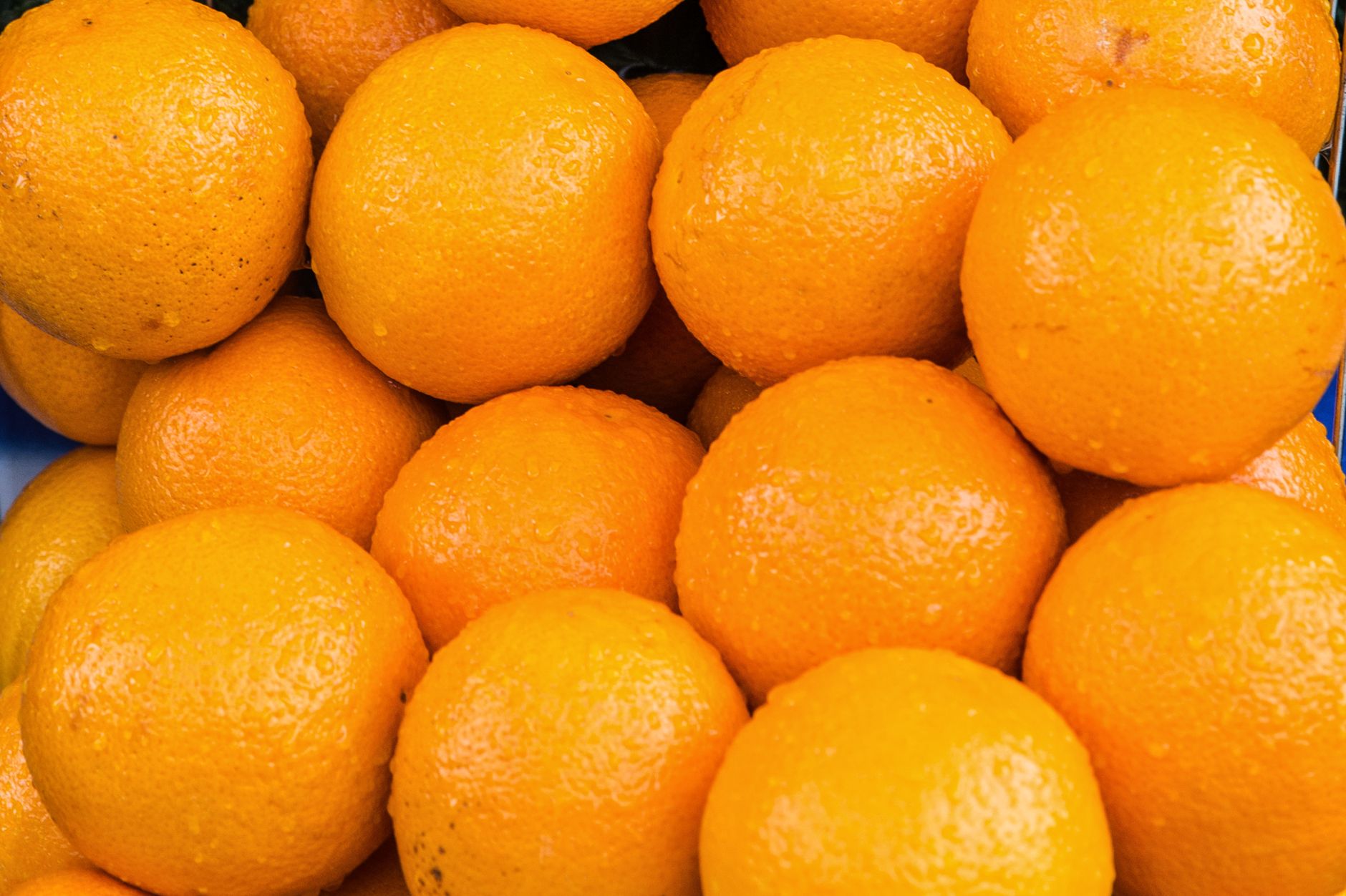
Oranges are a delicious and refreshing fruit enjoyed around the world. Known for their bright color and juicy sweetness, they are a staple in many diets. However, if you’re watching your sugar intake, you might wonder how much sugar is actually in an orange. This guide will provide you with the information you need about the sugar content in one orange and discuss its nutritional value, health benefits, and how to incorporate this vibrant fruit into your meals.
Let’s dive into the specifics of how much sugar is found in oranges, along with useful details on portion sizes, types of oranges, and practical advice for including them in your diet.
How Much Sugar in One Orange?
The average orange contains approximately 12 grams of sugar. This measurement can vary slightly depending on the size and type of orange. A medium-sized orange (about 131 grams) generally contains around 12 grams of natural sugars, mainly fructose, glucose, and sucrose. It’s essential to note that this sugar occurs naturally within the fruit, accompanied by dietary fiber, vitamins, and minerals.
Nutritional Breakdown of an Orange
Beyond the sugar content, it’s beneficial to look at the overall nutritional profile of an orange. Here’s a breakdown based on a medium-sized orange:
- Calories: 62
- Total fat: 0.2g
- Carbohydrates: 15.4g
- Dietary fiber: 3.1g
- Protein: 1.2g
- Sugar: 12g
- Vitamin C: 70mg (about 78% of the daily value)
- Potassium: 237mg
This impressive profile highlights oranges as a nutrient-dense food, making them a healthy choice for snacks and meals.
Varieties of Oranges and Their Sugar Content
Different varieties of oranges can have varying sugar content, which contributes to their unique flavors. The most common types of oranges include:
Navel Oranges
Navel oranges are known for their sweet flavor and are typically seedless. A medium-sized navel orange has about 12 grams of sugar.
Valencia Oranges
Valencia oranges are juicier and slightly less sweet than navel oranges. A medium Valencia orange contains around 10-11 grams of sugar.
Blood Oranges
Blood oranges have a richer, berry-like flavor, and their sugar content is similar to that of navel oranges, at around 12 grams.
Clementines
Clementines are small, usually seedless, and incredibly sweet. One medium clementine contains about 9 grams of sugar.
Understanding Naturally Occurring Sugars
Natural sugars found in fruits, like those in oranges, are accompanied by fibers, vitamins, and minerals. Unlike added sugars, which can contribute to health issues when consumed in excess, natural sugars provide a wealth of benefits:
- Help sustain energy levels.
- Contribute to digestive health due to their fiber content.
- Support the immune system, particularly through vitamin C.
Incorporating natural sugars from fruits can promote a balanced diet and healthy eating habits.
Health Benefits of Oranges
Oranges not only add sweetness to your diet but also come with numerous health benefits:
- Rich in Vitamin C: Essential for a strong immune system and collagen production.
- High in Antioxidants: Help combat oxidative stress and reduce inflammation.
- Promote Heart Health: Fiber and potassium in oranges may lower blood pressure and reduce cholesterol levels.
- Support Weight Management: Low in calories and high in fiber, they can help you feel full.
Including oranges in your diet can be a delightful and health-promoting habit.
Incorporating Oranges into Your Meals
Oranges can be enjoyed in various ways throughout the day. Here are some practical ideas:
As a Snack
A simple and convenient option is to enjoy a whole orange as a midday snack. The juice and fiber make it satisfying.
In Salads
Oranges add a fresh burst of flavor to salads. Try slices of orange in a spinach salad with nuts and feta, drizzled with balsamic dressing.
In Smoothies
Add orange segments to smoothies. They blend well with other fruits like bananas and berries, providing a vibrant taste.
In Desserts
Use oranges to enhance desserts. Consider orange zest or juice in cakes, puddings, or as a topping for yogurt or ice cream.
Meal Planning with Oranges
When planning your meals, consider how to incorporate oranges for a balanced diet:
- Breakfast: Start your day with orange slices alongside oatmeal or mixed into a yogurt parfait.
- Lunch: Use orange wedges in salads or as a side with your sandwich.
- Dinner: Roast chicken with orange juice and herbs for a citrusy twist.
- Dessert: Make an orange sorbet or a citrus fruit salad for a sweet finish.
Tips for Selecting and Storing Oranges
Selecting Oranges
When choosing oranges, look for ones that feel heavy for their size and have firm, smooth skin. Avoid any fruit with soft spots or blemishes.
Storing Oranges
Oranges can be stored at room temperature for a week or two. For longer storage, keep them in the refrigerator, where they can last up to a month.
Common Questions About Oranges
Can I eat oranges if I’m watching my sugar intake?
Yes, you can enjoy oranges in moderation. The natural sugars they contain are balanced by fiber, which can help regulate blood sugar levels.
Are there any downsides to eating oranges?
Some individuals may experience heartburn or acid reflux due to oranges’ acidity. If this is a concern, consult with a healthcare provider.
Potential Substitutions for Oranges
If you’re looking for substitutes for oranges in recipes or meals, consider these alternatives:
- Mandarins: Sweeter and smaller; they can replace oranges in salads and desserts.
- Grapefruit: For a tangy alternative, grapefruit can be used in diets focused on lower sugar intake.
- Lemons or Limes: While more acidic, these can provide a citrusy flavor in drinks and dishes.
Conclusion
Oranges are nutritious fruits that, with their approximately 12 grams of natural sugar, offer a myriad of health benefits. They can be easily integrated into various meals and snacks while promoting a balanced diet.
Next time you’re at the market, pick up some oranges! For more ideas and recipes, explore our cranberry sauce recipe with orange or check out a delicious chia pudding recipe with coconut milk.