
Experiencing gas can be uncomfortable and sometimes even embarrassing. The key to alleviating it often lies in your diet, particularly the foods you choose to eat. Understanding what to eat when you have gas can significantly impact how you feel, helping to mitigate symptoms and promote digestive health.
This article delves into the best foods to consume when you’re experiencing gas, outlining not only the types of food that can help but also those that are best avoided. Learn how to adjust your meal choices for comfort and practicality.
What to Eat When You Have Gas?
When dealing with gas, aim for easily digestible foods that are less likely to cause bloating. Foods like bananas, rice, yogurt, and ginger can soothe the digestive tract. These options help reduce inflammation and promote efficient digestion without exacerbating gas symptoms.
Understanding Gas and Bloating
Gas is a natural byproduct of digestion that occurs when bacteria in the intestines break down food. While it’s normal to have some gas, excessive gas can lead to discomfort and bloating. Common culprits include high-fiber foods, carbonated beverages, and certain vegetables like beans and broccoli.
Recognizing which foods contribute to gas can inform your dietary choices, helping you feel more at ease. However, not all high-fiber foods are bad; many are essential for maintaining digestive health.
Digestive-Friendly Foods to Include
Fruits
- Bananas: Rich in potassium and easily digestible, bananas help regulate fluid levels and minimize bloating.
- Berries: Strawberries, blueberries, and raspberries are rich in fiber and low in fructose, making them good choices for digestion.
- Cantaloupe: High in water and easy to digest, cantaloupe helps keep you hydrated and comfortable.
Vegetables
- Carrots: These root vegetables are low in gas-causing fibers and easy on the stomach.
- Spinach: A leafy green that is gentle on the digestive system and full of nutrients.
- Potatoes: Cooked potatoes, especially without the skin, can provide comfort and nutrients without excessive fiber.
Grains
- White Rice: This bland grain is easy to digest and can help absorb excess liquid in the digestive tract.
- Oats: While fiber-rich, oats can be easier to digest than other grains, particularly when cooked.
- Quinoa: A gluten-free grain packed with protein, quinoa is gentle on the digestive system.
Dairy
- Yogurt: The probiotics in yogurt can aid digestion and help restore balance in the gut.
- Low-Fat Milk: For those who can tolerate dairy, low-fat options tend to be easier to digest.
Proteins
- Chicken (boiled or grilled): Lean proteins like chicken are often easier to digest and less likely to cause gas.
- Fish: Like chicken, fish is a lean protein source with less fat content, promoting easier digestion.
- Eggs: They are generally well tolerated and easy to digest while providing necessary proteins.
Herbs and Spices
- Ginger: Known for its anti-inflammatory properties, ginger can soothe the digestive tract and help reduce bloating.
- Peppermint: Often used to calm digestive issues, peppermint tea can also help alleviate gas and bloating.
- Fennel Seeds: Chewing fennel seeds or drinking fennel tea may relieve bloating and gas.
Beverages
- Herbal Teas: Non-caffeinated teas, especially ginger or chamomile, can aid digestion and provide comfort.
- Water: Staying hydrated is essential for digestive health, so drink plenty of water throughout the day.
Foods to Avoid
While managing gas, it is also important to be aware of foods that can worsen symptoms. Avoiding certain items can make a significant difference in how you feel.
High-Fiber Foods
- Beans: While healthy, beans are notorious for causing gas in many individuals.
- Broccoli and Cauliflower: These cruciferous vegetables may lead to increased gas production in sensitive individuals.
- Whole Grains: Although beneficial for health, they can be more difficult to digest in large quantities.
Dairy Products
- High-Fat Cheeses: These can be harder to digest, especially for those with lactose intolerance.
- Ice Cream: Similarly, high-fat ice cream can contribute to gas and bloating.
Carbonated Beverages
Soft drinks, sparkling waters, and other carbonated beverages introduce gas into the digestive system, leading to increased bloating.
Processed and Sugary Foods
- Artificial Sweeteners: Ingredients like sorbitol and xylitol are known to cause gas and bloating.
- Highly Processed Snacks: Chips, packaged snacks, and fast food can aggravate digestive issues.
Fatty Foods
High-fat meals and fried foods slow down the digestive process, allowing gas to build up in the intestines.
Meal Ideas for Gas Relief
Creating meals that are soothing for the digestive system doesn’t have to be difficult. Here are some ideas to keep in mind when planning your meals.
Breakfast
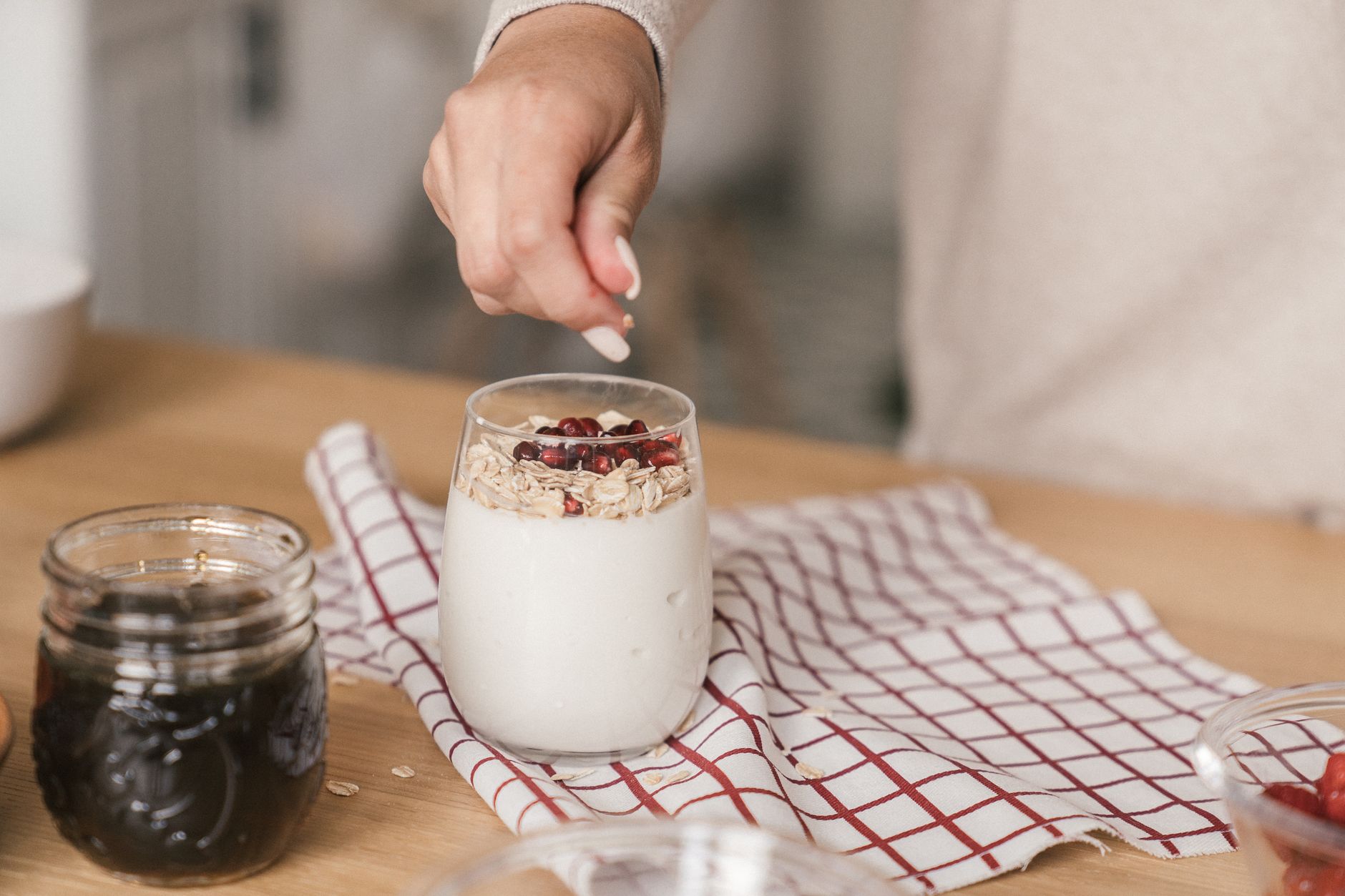
- Overnight Oats: Soak oats in yogurt and almond milk overnight. Add sliced bananas or blueberries for sweetness and fiber without excess gas.
- Smoothie: Blend spinach, banana, and almond milk for a nutrient-packed smoothie that is easy on the stomach.
- Soft Boiled Eggs: Pair with toast for a simple breakfast that provides protein without complicated digestion.
Lunch
- Chicken and Rice Bowl: Combine boiled chicken with steamed carrots and white rice for a filling and gentle meal.
- Spinach Salad: Toss spinach, shredded carrots, and grilled chicken with a simple olive oil dressing.
- Quinoa Salad: Mix cooked quinoa with cucumber, diced bell peppers, and a drizzle of lemon for a refreshing option.
Dinner
- Baked Fish with Vegetables: Bake fish fillets with zucchini and carrots for a nutritious, gentle dinner option.
- Chicken Stir Fry: Prepare a simple stir-fry with chicken, spinach, and ginger to soothe the stomach.
- Mashed Potatoes: Serve with steamed carrots or spinach for a comforting, low-fiber meal.
Snacks
- Banana with Almond Butter: A quick snack that combines potassium with healthy fats.
- Rice Cakes: Top with a thin layer of hummus or cottage cheese for a light, gas-friendly snack.
- Cantaloupe Slices: Refreshing and easy to digest, perfect for any time of day.
Cooking Techniques for Gas-Friendly Meals
When preparing gas-friendly meals, consider these cooking methods that promote easier digestion.
Steaming
Steaming vegetables preserves their nutrients while breaking down fibers, making them easier to digest. Simply use a steamer basket and cook vegetables until tender but not mushy.
Boiling and Poaching
These methods allow foods like chicken and grains to become tender without the need for added fats that can cause digestive discomfort.
Blending
Using a blender for smoothies or soups breaks down food particles, making them more manageable and easier for the digestive system to process.
Tips for Reducing Gas Symptoms After Meals
Even after you have made mindful choices, gas symptoms may still occur. Here are some strategies:
- Eat Slowly: This practice allows for better digestion and reduces swallowed air.
- Avoid Carbonated Drinks: Stick to still water or herbal teas to keep gas production to a minimum.
- Get Moving: Gentle walks post-meal can stimulate digestion and help pass gas naturally.
Understanding Your Body’s Reactions
Each individual’s digestive system is unique, and while these suggestions work for many, it’s crucial to pay attention to how your body responds to different foods. Consider keeping a food diary to identify specific triggers and make informed choices moving forward.
Making a Meal Plan
When dealing with gas, creating a meal plan can help ease the decision-making process and ensure you stick to foods that support your digestive health. Here’s a simple plan to consider:
Sample 3-Day Meal Plan
| Day | Breakfast | Lunch | Dinner | Snacks |
|---|---|---|---|---|
| 1 | Overnight oats with berries | Chicken and rice bowl | Baked fish with steamed veggies | Banana with almond butter |
| 2 | Smoothie with spinach and banana | Spinach salad with grilled chicken | Chicken stir-fry with broccoli | Rice cakes with hummus |
| 3 | Soft-boiled eggs with toast | Quinoa salad with cucumber and peppers | Mashed potatoes with carrots | Cantaloupe slices |
Storing Leftovers
If you find meal prep is more efficient, remember to store leftovers properly to maintain freshness and quality:
- Keep food in tightly sealed containers to avoid bacteria growth.
- Refrigerate leftovers within two hours of cooking to minimize the risk of spoilage.
- Consume within 3-4 days for best quality and safety.
Conclusion
Choosing the right foods is crucial for managing gas and bloating. Including easily digestible options while avoiding common irritants can promote comfort and improve overall digestive health.
Start with simple recipes and meal plans, keeping meal preparation consistent, and adapt as your body signals its preferences.
For more insights on dietary adjustments for digestive issues, check out what to eat after vomiting and learn about cabbage’s effects on digestion.