
Nutmeg, with its warm and aromatic flavor, is a spice that has an essential role in various cuisines around the world. If you’ve ever wondered where nutmeg is grown and how it makes its way from tropical trees to your kitchen, you’re in the right place. This article explores the origins, production, and common uses of nutmeg, providing you with a complete guide to this intriguing spice.
Understanding where nutmeg is grown helps contextualize its flavor and versatility in both sweet and savory dishes. Whether you’re spicing up a holiday dish or adding depth to your daily recipes, knowing about nutmeg’s production can enhance your culinary experience.
Where Is Nutmeg Grown?
Nutmeg is primarily grown in tropical regions, particularly on the Banda Islands of Indonesia, which are considered its native homeland. Other notable growing regions include Grenada, India, and Papua New Guinea. These are ideal locations due to their warm, humid climates and rich volcanic soil, which provide optimum conditions for the nutmeg tree.
Origins of Nutmeg
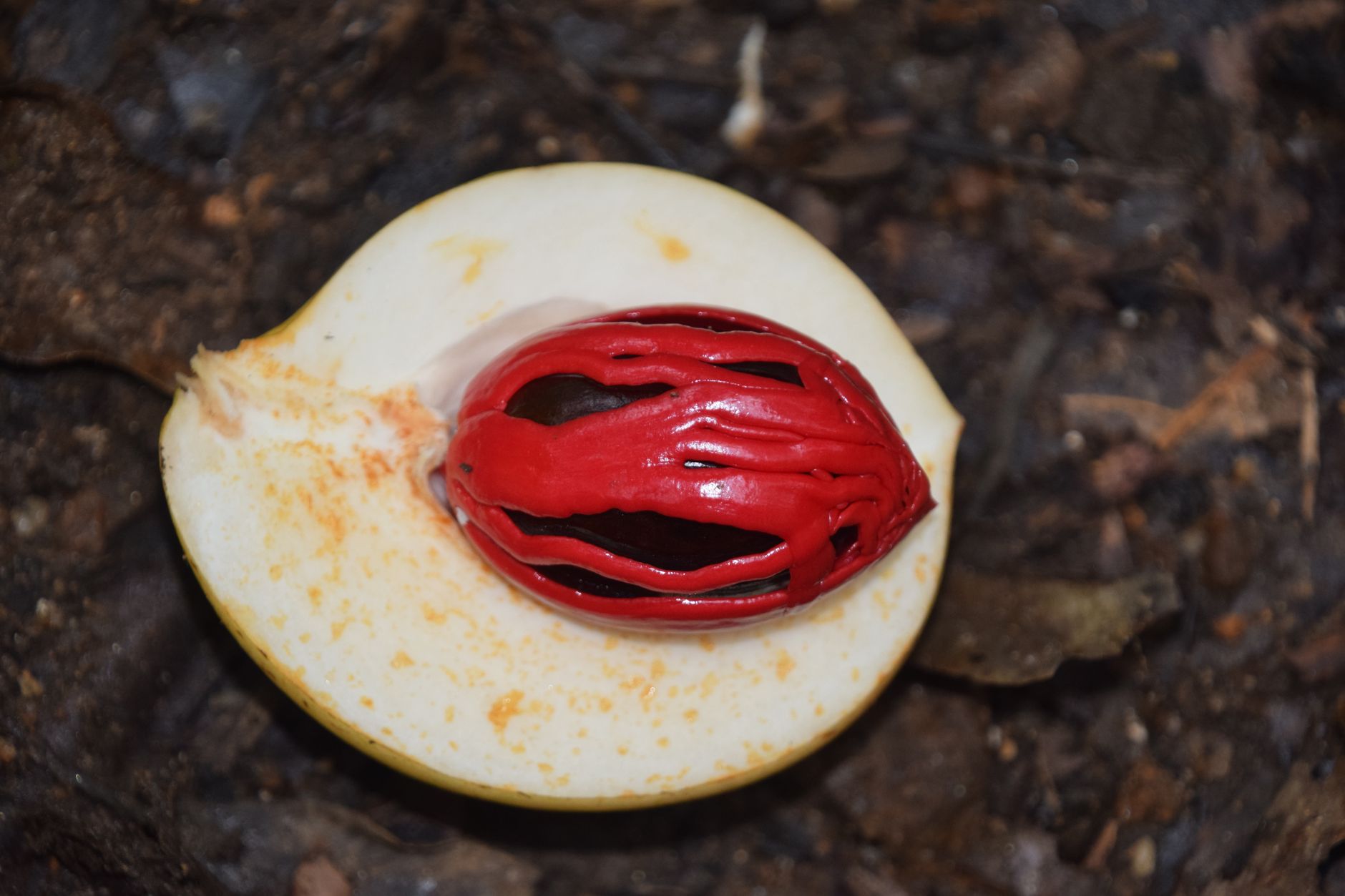
The nutmeg tree, scientifically known as Myristica fragrans, is native to the Moluccas, also known as the Spice Islands of Indonesia. The tree can grow up to 20 meters tall and, interestingly, produces two distinct spices: nutmeg and mace. Mace is the red aril covering the nutmeg seed, and both spices have been valued for their flavors and medicinal properties for centuries.
Historical Context
Nutmeg was highly sought after in ancient times for its supposed health benefits and culinary uses. During the 16th century, European traders ventured to the Spice Islands, leading to intense competition and colonial pursuits. The demand for nutmeg made it a luxury item, significantly impacting trade routes and colonial economics.
Production of Nutmeg
The cultivation of nutmeg involves meticulous attention and care. The nutmeg tree requires specific growing conditions, including a temperature range of 20 to 30 degrees Celsius, along with plenty of rainfall throughout the year. It typically takes about 7 to 9 years for nutmeg trees to begin producing fruit, which can continue for up to 60 years.
Harvesting Process
The harvesting of nutmeg is labor-intensive. The fruit has a yellowish or greenish outer layer that splits open when ripe, revealing the nutmeg seed surrounded by a red aril, known as mace. Here’s how the process typically works:
- The fruit is picked when it is ripe and begins to split.
- The outer layer is removed to reveal the inner nutmeg seed and the surrounding mace.
- The mace is separated from the nutmeg seed and dried. The nutmeg seed is then cleaned and dried.
- Finally, the dried seed is ground into the familiar spice we use in cooking.
Cultivation Locations
Besides Indonesia, Grenada has gained a reputation as the “Island of Spice,” producing high-quality nutmeg that is often preferred by chefs for its flavor profile. Indian states like Kerala and Tamil Nadu also cultivate nutmeg, although in lesser quantities compared to Indonesia and Grenada.
Taste Profile and Culinary Uses
Nutmeg has a unique taste that is warm, nutty, and slightly sweet. It can add complexity to both sweet and savory dishes, making it a versatile ingredient in the kitchen.
Common Uses in Cooking
Here are some kitchen staples that benefit from nutmeg’s distinctive flavor:
- Baking: Nutmeg is often incorporated into baked goods such as cakes, cookies, and breads, particularly in recipes that also feature cinnamon or cloves.
- Savory Dishes: It enhances the flavor of rich stews, meat dishes, and creamy sauces like béchamel.
- Beverages: Nutmeg is frequently used in holiday drinks like eggnog and chai tea, lending warmth to each sip.
- Vegetables: Sprinkle nutmeg onto vegetables like spinach, potatoes, or squash to deepen the flavor profile.
Using Nutmeg in Recipes
When incorporating nutmeg into your dishes, a little goes a long way. Here are some suggestions for how to best utilize nutmeg:
- Start with a small amount (about 1/4 teaspoon) in recipes and adjust according to your preference.
- Using freshly grated nutmeg can elevate your dish’s flavor significantly compared to pre-ground varieties.
- Pair it with warm spices like cinnamon and ginger for a comforting feel in sweet recipes.
- For savory recipes, combine it with spices such as pepper and allspice to create depth in flavor.
Storage and Freshness
To ensure the longevity and potency of nutmeg, proper storage is crucial. Here are some tips to keep your nutmeg fresh:
- Whole Nutmeg: Store whole nutmeg seeds in a cool, dark place in an airtight container. When maintained correctly, whole nutmeg can last for several years.
- Ground Nutmeg: Once ground, nutmeg loses its flavor potency more quickly. Keep it in a tightly sealed container away from light and heat, and use it within six months for optimal flavor.
Flavor Pairings and Substitutions
Understanding how nutmeg interacts with other flavors can help you make the most of this spice. Here are some pairings and substitutions:
Common Flavor Pairings
- Cinnamon: Their sweet and warm profiles enhance baked goods.
- Cloves: The combination adds a depth of flavor to holiday desserts and savory dishes.
- Ginger: Works beautifully in spiced beverages and desserts.
- Vanilla: A classic pairing that elevates both sweet and creamy dishes.
Substitutions for Nutmeg
If you find yourself without nutmeg, here are a few suitable substitutions:
- Allspice: Use an equal amount of allspice to replicate nutmeg’s warm notes.
- Cinnamon: A lesser substitute, but can mimic some sweetness if combined in larger quantities.
- Ground Cloves: Use with caution, as cloves have a stronger flavor. Start with half the amount.
Common Mistakes and Troubleshooting
When cooking with nutmeg, avoid these frequent missteps:
- Overusing nutmeg can cause your dish to taste overly pungent. Always start small and increase gradually.
- Using stale nutmeg—ensure your spice is fresh for the best flavor.
- Forgetting to consider nutmeg’s warm flavor profile can lead to an imbalance in seasoning, so always pair it wisely with other spices.
Nutmeg in Different Cuisines
Nutmeg is utilized across a variety of cuisines worldwide. Here’s a brief look at how it’s used in different culinary contexts:
Western Cuisine
Nutmeg is a staple in many Western dishes, particularly in European baking and creamy sauces. It adds complexity to custards, cakes, and even certain pasta dishes, enhancing their richness.
Indian Cuisine
In Indian cooking, nutmeg is sometimes used in garam masala and sweet dishes, adding warmth and richness to curries and traditional desserts.
Middle Eastern Cuisine
Nutmeg finds its way into various Middle Eastern spice blends, where it complements both meat and vegetable dishes, contributing a sweet and savory balance.
Global Nutmeg Trends
The demand for nutmeg continues to thrive, particularly in regions where spice use is prevalent. As culinary trends evolve, different cultures experiment with nutmeg, showcasing it in innovative ways:
Health and Wellness
Nutmeg’s potential health benefits have garnered attention recently, but these should be approached with caution. While it may have some anti-inflammatory or digestive benefits, consuming excessive amounts can lead to unpleasant side effects.
Culinary Innovations
Increasingly, chefs are integrating nutmeg into modern cuisine, using it in unconventional forms such as nutmeg-infused oils or creative cocktails, pushing the boundaries of flavor.
Conclusion
Nutmeg is a fascinating spice with a rich history, unique growing conditions, and versatile culinary uses. From sweet desserts to savory sauces, it enhances a variety of dishes, providing warmth and depth to your cooking. Understanding where nutmeg is grown and how to use it can elevate your culinary endeavors.
For your next kitchen adventure, consider experimenting with nutmeg in different recipes or flavors, adding this aromatic spice to your dishes. Explore more about spices or find new recipes to incorporate nutmeg’s complex flavor into your meals!