
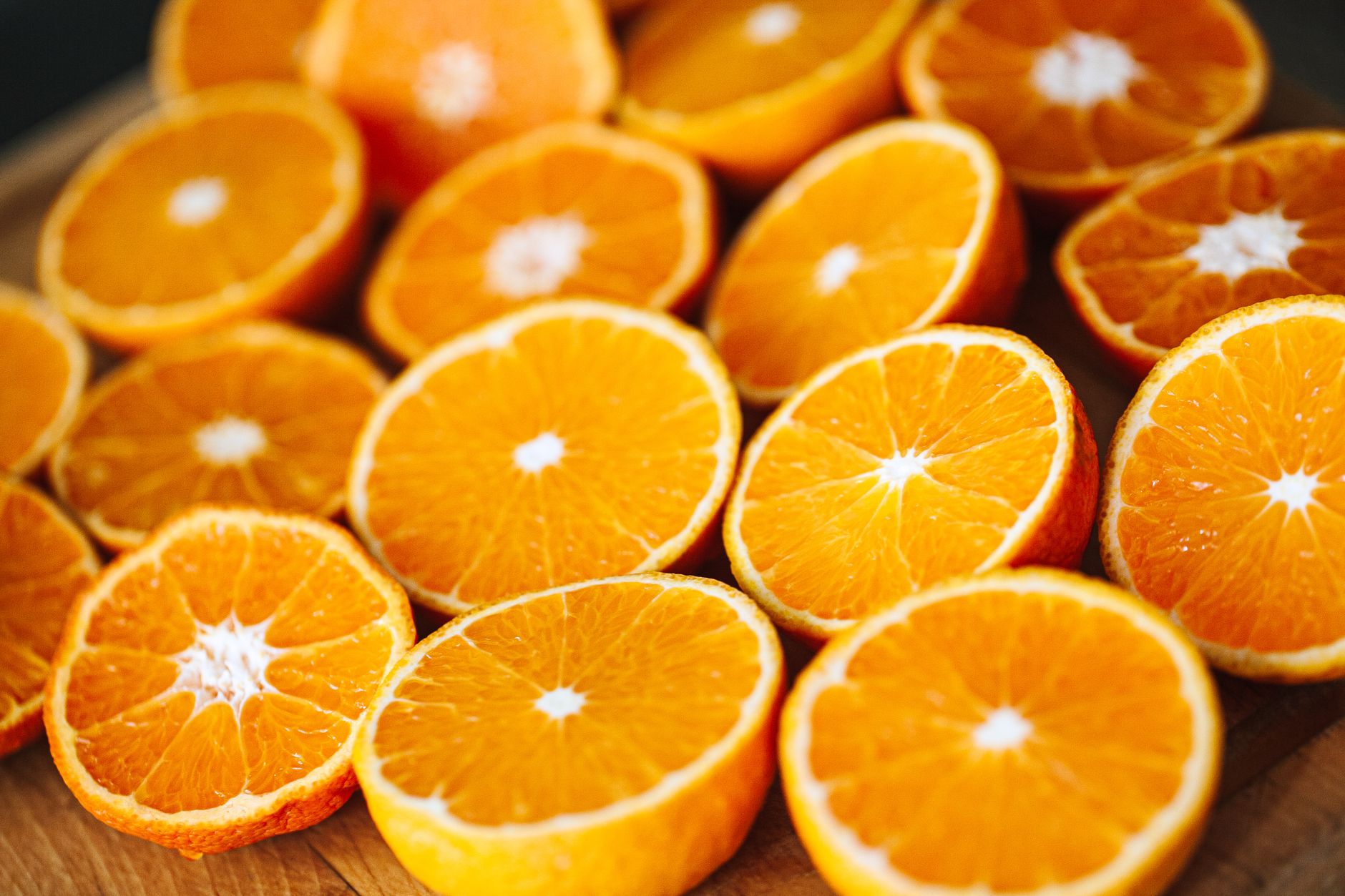
Oranges are a popular fruit known for their sweet and tangy flavor, refreshing juiciness, and vibrant color. They are rich in vitamins, particularly vitamin C, and are enjoyed globally in various forms, from snacks to desserts. One common inquiry about oranges is their sugar content. Understanding the sugar levels in oranges can help manage dietary needs and preferences.
This article explores the sugar content in oranges, breaking down amounts by serving size, and provides insights into their nutritional benefits, cultivation, and culinary uses. Whether you’re snacking on them fresh or adding them to recipes, it’s good to know what you’re consuming.
How Much Sugar Is in an Orange?
The sugar content in an orange can vary based on its size and variety. On average, a medium-sized orange (about 130 grams) contains approximately 12 grams of sugar. This sugar comes from naturally occurring fructose, which is the sugar found in fruits.
Here’s a detailed breakdown of sugar content based on different serving sizes:
| Serving Size | Weight (grams) | Sugar Content (grams) |
|---|---|---|
| Small orange | 96 | 9 |
| Medium orange | 130 | 12 |
| Large orange | 184 | 17 |
| 1/2 cup of orange segments | 92 | 9 |
| 1 cup of orange juice | 248 | 21 |
Understanding Sugar in Oranges
The sugar found in oranges is primarily fructose, which gives the fruit its sweet taste. It’s important to note that while sugars contribute to the calorie count of oranges, they also bring with them important nutrients. Oranges are indeed more than just sugar sources; they are packed with dietary fiber, vitamins, and minerals.
In addition to fructose, oranges contain sucrose and glucose, albeit in smaller amounts. The natural sugars in fruit, such as oranges, do not have the same health repercussions as added sugars found in many processed foods.
Nutritional Benefits of Oranges
Besides sugar, oranges provide numerous health benefits. Here are some notable nutritional components:
- Vitamin C: A medium orange contains about 70 mg of vitamin C, which is well above the daily requirement for most adults. Vitamin C supports immune function and acts as an antioxidant.
- Fiber: The same medium orange contains around 3 grams of dietary fiber, promoting digestive health and aiding in maintaining a healthy weight.
- Potassium: Oranges are a good source of potassium, which is essential for heart health and regulating blood pressure.
- Folate: This B-vitamin found in oranges is particularly important for cell division and might aid in lowering the risk of heart disease.
How to Select and Store Oranges
Choosing the right orange is essential for the best taste and quality. Here are some tips:
- Look for Firmness: A ripe orange should feel heavy for its size and have a firm skin. Avoid any with soft spots.
- Check the Color: The shade can indicate ripeness. Look for vibrant color without many green spots, which may suggest it was harvested too early.
- Aroma: A fresh orange will have a fragrant scent. If there is no smell, it may not be ripe or fresh.
For storage, it’s best to keep oranges in a cool, dry place, preferably at room temperature for a week. Refrigeration can extend their shelf life to about two weeks. Keep them in a breathable bag to prevent moisture buildup and mold.
Culinary Uses of Oranges
Oranges are incredibly versatile in the kitchen, utilized in a variety of dishes and beverages. Here are some popular culinary uses:
Fresh Snack
Oranges are an excellent snack option on their own. Simply peel and segment, or cut them into wedges for convenience. Their refreshing taste can satisfy sweet cravings without the guilt associated with sugary snacks.
Juices and Smoothies
Fresh orange juice is a breakfast staple. To make juice, simply squeeze the oranges, or for a nutritious smoothie, blend segments with yogurt or other fruits. A vibrant orange smoothie can include ingredients like bananas, spinach, and coconut water.
Salads and Salsas
Fresh oranges can enhance salads and salsas with their sweetness and acidity. Combine orange segments with mixed greens, nuts, and a light vinaigrette for a refreshing salad. For a salsa, mix diced oranges with jalapeño, red onion, and cilantro as a zesty topping for grilled meats or fish.
Desserts
From sorbets to cakes, oranges shine in the dessert category. Their zest can enhance flavor in baked goods, while segments can top pastries or be incorporated into fruit salads. Recipes like orange sherbet showcase the fruit’s natural sweetness and provide a refreshing treat.
Potential Health Concerns
Despite their numerous benefits, some individuals may have concerns regarding sugar intake, especially for those monitoring their blood sugar levels. While the sugar in oranges is natural, it’s wise for diabetics and those on sugar-restricted diets to enjoy them in moderation.
Pairing oranges with a source of protein or healthy fat, such as nuts or yogurt, may help balance blood sugar responses, making them a smart choice for those needing to track sugar levels.
Frequently Asked Questions
Can you eat too many oranges?
While oranges are nutritious, consuming large quantities can lead to excessive sugar intake and digestive discomfort due to their high fiber content. Moderation is key to enjoying their health benefits.
Are oranges good for weight loss?
Oranges can be beneficial for weight loss as they are low in calories and high in fiber. Their water content also helps you feel full, which can reduce overall caloric intake.
Can you eat orange skin?
Orange skin is edible and contains nutrients and fiber, though it has a bitter taste. If you choose to eat it, ensure it is thoroughly washed to remove any pesticides.
Recipes Featuring Oranges
Incorporating oranges into your meals can be both delicious and nutritious. Here’s a brief look at two recipes to consider:
Cranberry Sauce with Orange
This vibrant cranberry sauce combines the tartness of cranberries with the sweet and refreshing flavor of oranges. It’s an excellent side for holiday meals and easy to prepare.
Orange Sherbet Recipe
Cool off with a homemade orange sherbet, a delightful dessert that showcases the natural sweetness of oranges with a creamy texture.
For detailed recipes, check out our cranberry sauce with orange and orange sherbet recipe.
Summary
Understanding the sugar content in oranges helps in making informed dietary choices. With around 12 grams of sugar in a medium orange, they offer a naturally sweet, nutritious snack. The numerous health benefits they provide further enhance their status as a healthy fruit choice. Enjoy them fresh, blended, or baked into various recipes to experience their delightful flavors.
Explore our related recipes, cooking tips, and food guides to discover more ways to enjoy oranges and other delicious ingredients.