
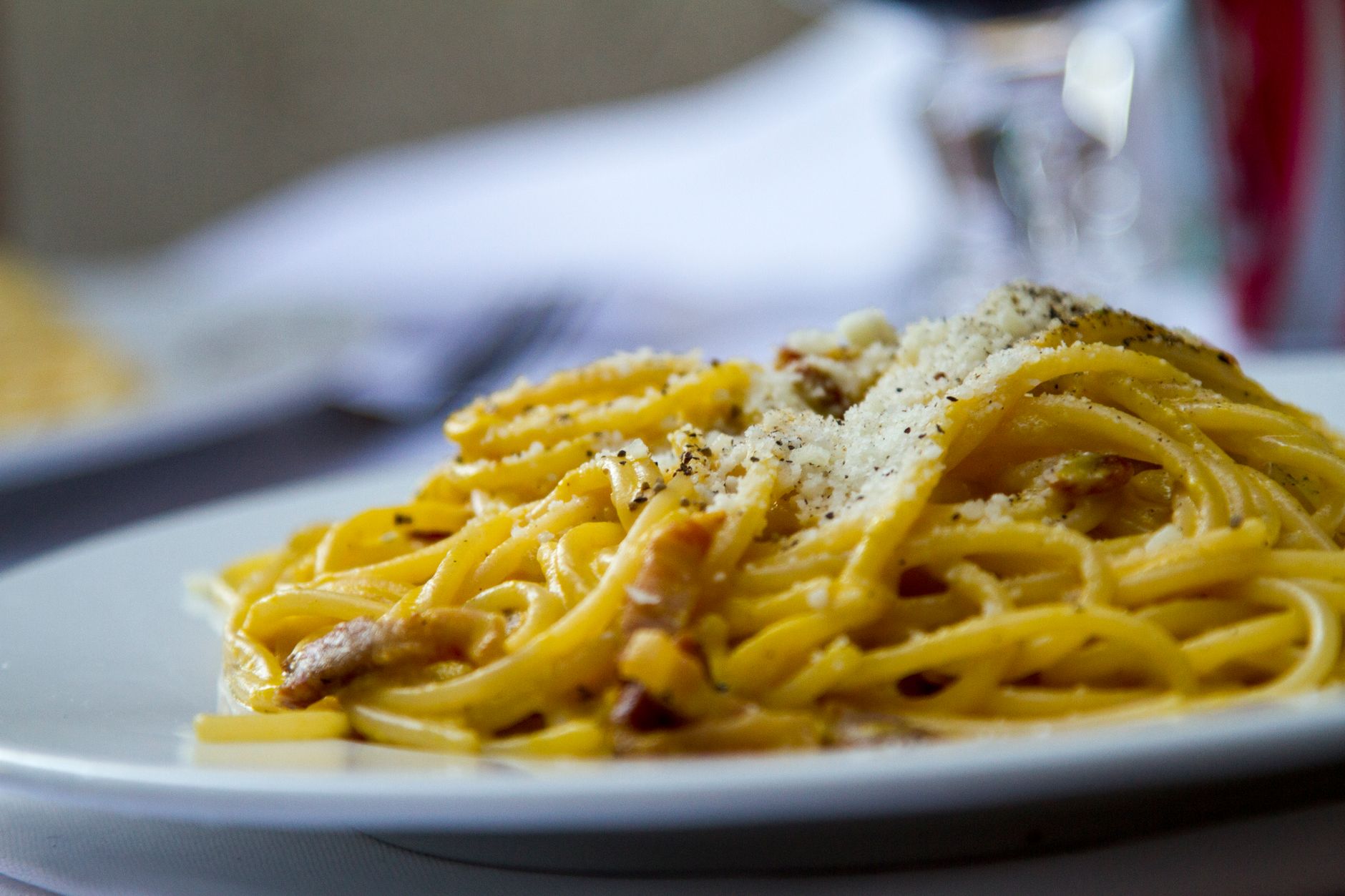
Rome, the Eternal City, is known not just for its rich history and stunning architecture but also for its unique and delicious cuisine. The flavors of Roman food reflect the region’s agricultural heritage and the influence of its culinary traditions.
From hearty pasta dishes to fresh, seasonal vegetables, Roman cuisine offers something for everyone. In this article, we will explore the foods that Rome is famous for, delving into traditional dishes, ingredients, and cooking techniques that define this vibrant culinary landscape.
What Food Is Rome Known For?
Rome is known for its traditional dishes such as pasta alla carbonara, cacio e pepe, and saltimbocca alla romana. The city’s culinary reputation is built on simplicity, showcasing high-quality, local ingredients prepared in classic ways.
Iconic Dishes of Roman Cuisine
Roman cuisine is characterized by its rustic and hearty flavors, with an emphasis on local ingredients. Below are some of the most recognized dishes:
Pasta alla Carbonara
This famous pasta dish combines spaghetti with eggs, Pecorino Romano cheese, guanciale (cured pork cheek), and black pepper. The result is a creamy, rich, and savory dish that has become emblematic of Roman cuisine.
Cacio e Pepe
Cacio e pepe translates to “cheese and pepper.” This simple yet flavorful dish consists of pasta, black pepper, and plenty of Pecorino Romano cheese. The creamy sauce is created by emulsifying the cheese with pasta water, resulting in a comforting dish with a distinct kick from the pepper.
Saltimbocca alla Romana
Saltimbocca is a classic Italian dish that features thin slices of veal topped with prosciutto and fresh sage, usually cooked in white wine. The name “saltimbocca” means “jump in the mouth,” which perfectly describes the dish’s rich flavor and tender texture.
Carciofi alla Romana
Roman-style artichokes are prepared with fresh herbs, olive oil, and garlic, then braised until tender. This dish highlights the Mediterranean flavors of Roman cuisine, showcasing seasonal ingredients.
Abbacchio alla Romana
This dish features young lamb that is marinated with herbs and spices and then slow-cooked until tender. Abbacchio is deeply rooted in Roman tradition and is often served during religious holidays.
Signature Ingredients in Roman Cooking
Roman cuisine revolves around a few key ingredients that define its flavors. Whether cooked or raw, these ingredients are essential to understanding Roman food.
Pasta
Pasta is a staple in Roman cooking, with varieties such as spaghetti, rigatoni, and pici commonly used. Roman pasta dishes are typically served al dente, allowing the noodles to hold their shape and texture.
Pecorino Romano Cheese
This hard, salty cheese made from sheep’s milk is a fundamental ingredient in many Roman dishes. Pecorino Romano is used in sauces, pasta, and salads, providing a sharp flavor that balances well with other ingredients.
Guanciale
A type of cured meat made from pork cheek or jowl, guanciale is richer and more flavorful than pancetta. It is an essential ingredient in pasta dishes like carbonara, where it adds depth and umami.
Artichokes
Artichokes are a prized ingredient in Roman cuisine, particularly during spring. Various preparations highlight their unique flavor, from frying to braising, making them a versatile choice for chefs.
Extra Virgin Olive Oil
High-quality extra virgin olive oil is essential in Roman kitchens, used for cooking, drizzling over finished dishes, and as a base for dressings. It enhances the natural flavors of the ingredients.
Culinary Techniques of Rome
Roman cooking techniques focus on simplicity, allowing the quality of the ingredients to shine. Here are some key methods commonly used in Roman kitchens:
Cooking Pasta
Cooking pasta to perfection involves boiling it in salted water until it reaches an al dente texture. This technique is crucial for retaining the structure of the pasta and creating a satisfying bite.
Braising
Braising is a slow-cooking technique where ingredients are first browned and then cooked in a small amount of liquid over low heat. This method enhances flavors and tenderizes tougher cuts of meat.
Emulsifying
Many Roman sauces, especially those using cheese, depend on emulsifying the ingredients with pasta water. By combining starchy pasta water with cheese, cooks create a creamy sauce that clings to the pasta.
Grilling
Grilling vegetables and meats over an open flame or on a grill pan adds a smoky flavor that complements the simplicity of Roman dishes. Grilled vegetables are often drizzled with olive oil and served as a side dish.
Dining Tradition in Rome
Dining in Rome is not just about the food; it’s about the experience. Meals are often enjoyed slowly, allowing diners to savor each dish. Here are some dining customs:
Antipasti and Segue
Roman meals typically begin with antipasti, which can include cured meats, cheeses, and marinated vegetables. This sets the tone for the meal, inviting diners to indulge in conversation and relaxation.
Primi and Secondi Piatti
Primi dishes, such as pasta or risotto, are usually followed by secondi, which feature meat or fish. This separation emphasizes the variety of flavors and textures in the meal, highlighting the importance of each course.
Contorni
Side dishes known as contorni are often served alongside the secondi, providing a contrast in flavor and texture. They typically consist of vegetables, either roasted or sautéed, and complement the main dish.
Popular Desserts in Roman Cuisine
Rome also boasts a selection of delectable desserts, each with its own unique flavor and texture. Here are a few favorites:
Maritozzo
Maritozzo is a sweet bun filled with whipped cream, often enjoyed for breakfast or as a snack. Its light, fluffy texture paired with creamy filling makes it a popular treat among locals.
Filetti di Baccalà
Battered and deep-fried cod fish make for a delectable snack or appetizer. This dish is particularly common during the Christmas season when it’s traditionally served with fried vegetables.
Tartufi
These truffle-shaped desserts are made from chocolate, nuts, and other sweet ingredients. They are often coated in cocoa powder or chopped nuts, offering a rich and indulgent finish to any meal.
Dining Out: Where to Experience Roman Cuisine
For visitors to Rome, experiencing local cuisine is a must. Whether you prefer casual trattorias or more upscale ristorantes, there are numerous options. Here are a few tips for dining out:
Trattorias vs. Ristorantes
Trattorias are often family-run establishments that offer a more casual dining experience. They tend to serve classic Roman dishes at reasonable prices. In contrast, ristorantes provide a more formal setting, often with a wider variety of dishes and fine dining options.
Local Recommendations
Look for restaurants that are busy with locals, as this is usually a good sign of authentic cuisine. Ask for recommendations from locals or explore neighborhoods known for their culinary scene.
Reservations
Making reservations, especially for dinner at popular restaurants, can help ensure a spot. Many Roman dining establishments have limited seating and can fill up quickly during peak dining hours.
Cooking Roman Dishes at Home
Recreating Roman dishes at home can be an enjoyable experience. Here are some key tips to help you achieve authentic flavors:
Ingredient Sourcing
To experience true Roman cuisine, seek out high-quality ingredients. Use local produce, authentic Italian pasta, and genuine Pecorino Romano cheese to enhance the flavor and authenticity of your dishes.
Cooking Techniques
Pay attention to traditional cooking methods, such as emulsifying sauces and properly cooking pasta. These techniques are important for achieving the desired texture and taste that are characteristic of Roman cuisine.
Experiment with Seasonal Ingredients
Roman dishes often reflect the seasons, so consider using seasonal ingredients available in your area. This will not only add freshness to your meals but also align with the essence of Roman cooking.
Conclusion
Rome’s culinary landscape is a testament to the city’s rich history and cultural influences. With its emblematic dishes, signature ingredients, and heartfelt cooking techniques, Roman cuisine offers a delightful experience for food lovers. Explore the flavors of Rome by trying your hand at some of these dishes or visiting a local trattoria to enjoy them in their authentic glory.
For more delicious recipes, consider trying our traditional pasta e fagioli or spicy rigatoni dishes. Explore the diverse world of Italian cuisine and find inspiration for your next meal.