
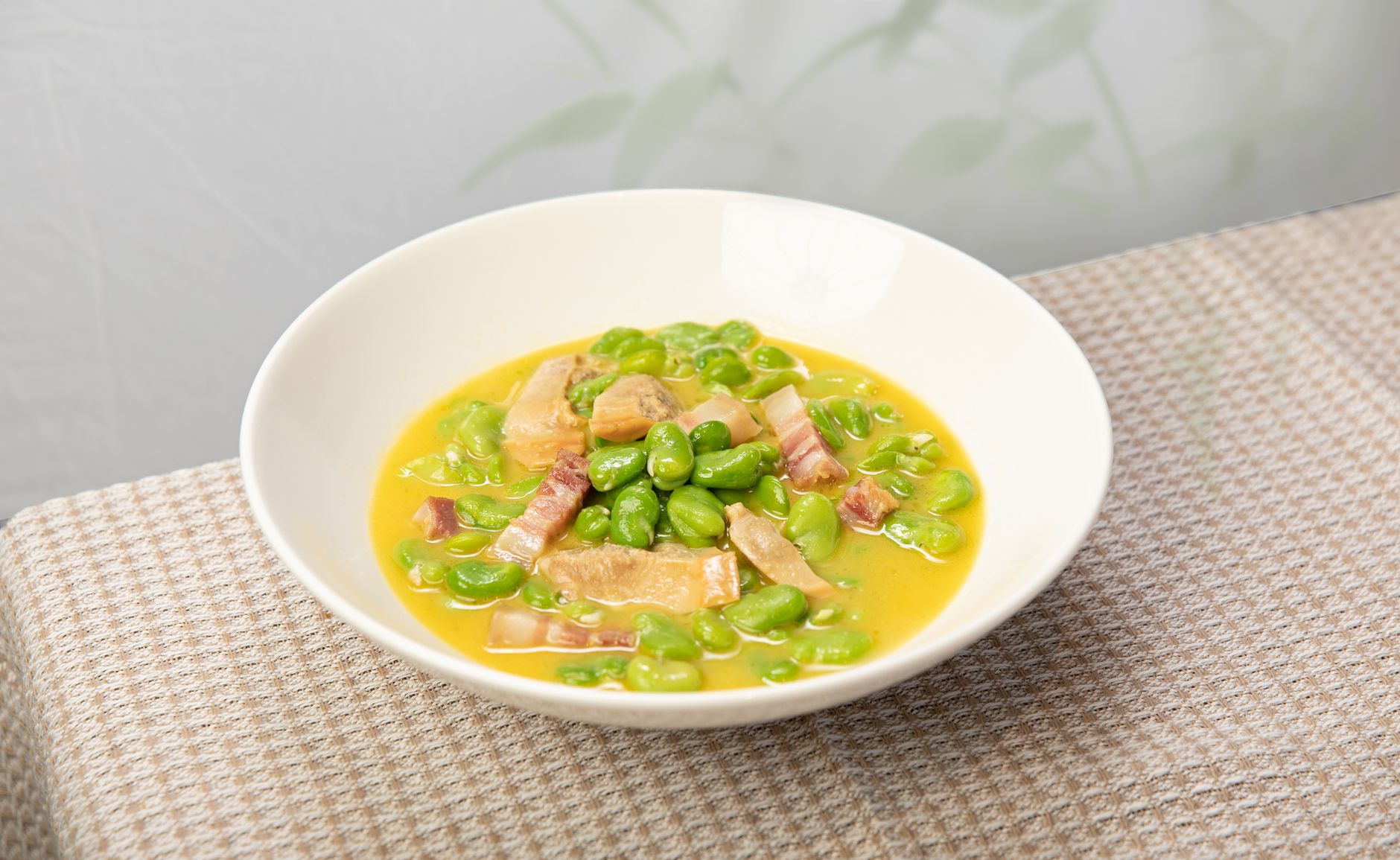
Boiling green beans is a quick and easy cooking technique that can transform this healthy vegetable into a tender, vibrant side dish. Whether you’re preparing them as a side for dinner or adding them to a salad, understanding how long it takes to boil green beans can make a significant difference in your meal prep.
In this guide, we’ll explore the ideal cooking times, techniques, and tips to help you prepare green beans that are perfectly cooked and bursting with flavor. Let’s dive into how to boil green beans effectively!
How Long Does It Take to Boil Green Beans?
Typically, it takes between 4 to 10 minutes to boil green beans, depending on the type and desired level of tenderness. For crisp-tender beans, aim for 4 to 6 minutes, while softer beans may require 7 to 10 minutes. Individual cook times can vary based on factors such as freshness and size.
Choosing Your Green Beans
Before boiling, selecting the right green beans is crucial for the best culinary outcome. Here are tips on choosing the best beans:
- Types: Common varieties include French green beans (haricots verts), snap beans, and standard green beans. French green beans are thinner and more delicate, requiring less cooking time.
- Freshness: Look for beans that are bright green and firm, without any blemishes or soft spots. Fresh beans will have a crisp snap when bent.
- Size: Uniformity in size ensures that the beans cook evenly. Aim for beans that are similar in length and thickness.
Preparation Steps
To properly prepare green beans for boiling, you’ll need to follow a few simple steps:
- Wash: Rinse the green beans under cold water to remove any dirt or debris.
- Trim: Use kitchen scissors or a knife to cut off the stem ends. You can also remove the tails, but this is optional.
- Cut: If desired, cut the beans into smaller, bite-sized pieces. However, leaving them whole often holds in more nutrients.
- Cooking vessel: Select a large pot to allow the beans enough space to cook evenly. Fill it with water, about 2/3 full.
Boiling Green Beans
Here’s how to boil green beans step by step:
- Bring water to a boil: Place your pot on high heat and bring the water to a rolling boil. You can add a pinch of salt to the water for added flavor.
- Add the green beans: Carefully add the prepared green beans to the boiling water. Stir gently to ensure even cooking.
- Set a timer: For crisp-tender beans, set your timer for 4 to 6 minutes. For softer beans, aim for 7 to 10 minutes. Test for doneness by tasting or checking the color.
- Drain: Once the beans reach your desired tenderness, drain them in a colander. It’s essential to stop the cooking process promptly.
- Shock in ice water (optional): To retain vibrant color and crispness, transfer the beans to an ice bath right after boiling. This helps halt further cooking.
Visual and Texture Cues for Doneness
Knowing when your green beans are done can depend on personal preference:
- Color: Bright green indicates freshness. If they start to lose their color, they may be overcooked.
- Texture: Crisp-tender beans should feel firm but have some give. Overcooked beans will be mushy and may lose their vibrant look.
Common Mistakes When Boiling Green Beans
Here are some frequent pitfalls to avoid while boiling green beans:
- Overcrowding the pot: Adding too many beans at once can lower the water temperature significantly, leading to uneven cooking.
- Not salting the water: This can enhance the beans’ flavor and help maintain their color. A pinch of salt in boiling water can make a big difference.
- Ignoring cooking times: Validate the doneness based on color and texture instead of only relying on the timer. Keep tasting for the preferred consistency.
Serving Suggestions for Boiled Green Beans
Once boiled, green beans can be enjoyed in various ways:
- As a side dish: Serve them alongside grilled meats or fish with a splash of lemon juice and a sprinkle of salt.
- In salads: Add boiled green beans to green salads or grain salads like farro or quinoa for added texture and nutrition.
- With dressings: Toss the beans in olive oil, balsamic vinegar, or garlic butter for a more robust flavor profile.
- Stir-frying: Mix the boiled beans into stir-fry dishes for a quick, flavorful addition.
Storing and Reheating Boiled Green Beans
If you have leftover boiled green beans, proper storage is essential for maintaining their flavor and texture:
- Storage: Place the cooled beans in an airtight container. They can be stored in the refrigerator for up to 3 to 5 days.
- Freezing: For longer storage, consider freezing the beans. Blanch them before freezing to help preserve their texture and color. Use freezer-safe bags and remove as much air as possible.
- Reheating: Reheat boiled green beans in the microwave for quick heating, or toss them in a hot skillet with a little olive oil to regain some crispness.
Practical Variations and Substitutions
Here are some variations and substitutions to consider when boiling green beans:
- With garlic: Add minced garlic to the boiling water for an aromatic flavor infusion.
- With spices: Experiment with adding spices like red pepper flakes or thyme for additional flavor.
- Sautéed instead of boiled: Instead of boiling, sauté green beans in a pan with olive oil for a different texture and taste.
- Other vegetables: Consider adding other vegetables, such as carrots or bell peppers, boiling them together for variety.
Conclusion
Boiling green beans is a straightforward process that can yield a delicious and nutritious side dish. Remember to adjust the cooking time based on your desired tenderness and the type of green beans you use. Embrace these tips and avoid common mistakes for the best results. With your freshly boiled green beans, the possibilities for serving and enjoying them are endless.
To enhance your culinary skills and discover more about cooking methods, check out how to cook fresh green beans or learn how to boil asparagus for your next meal!