
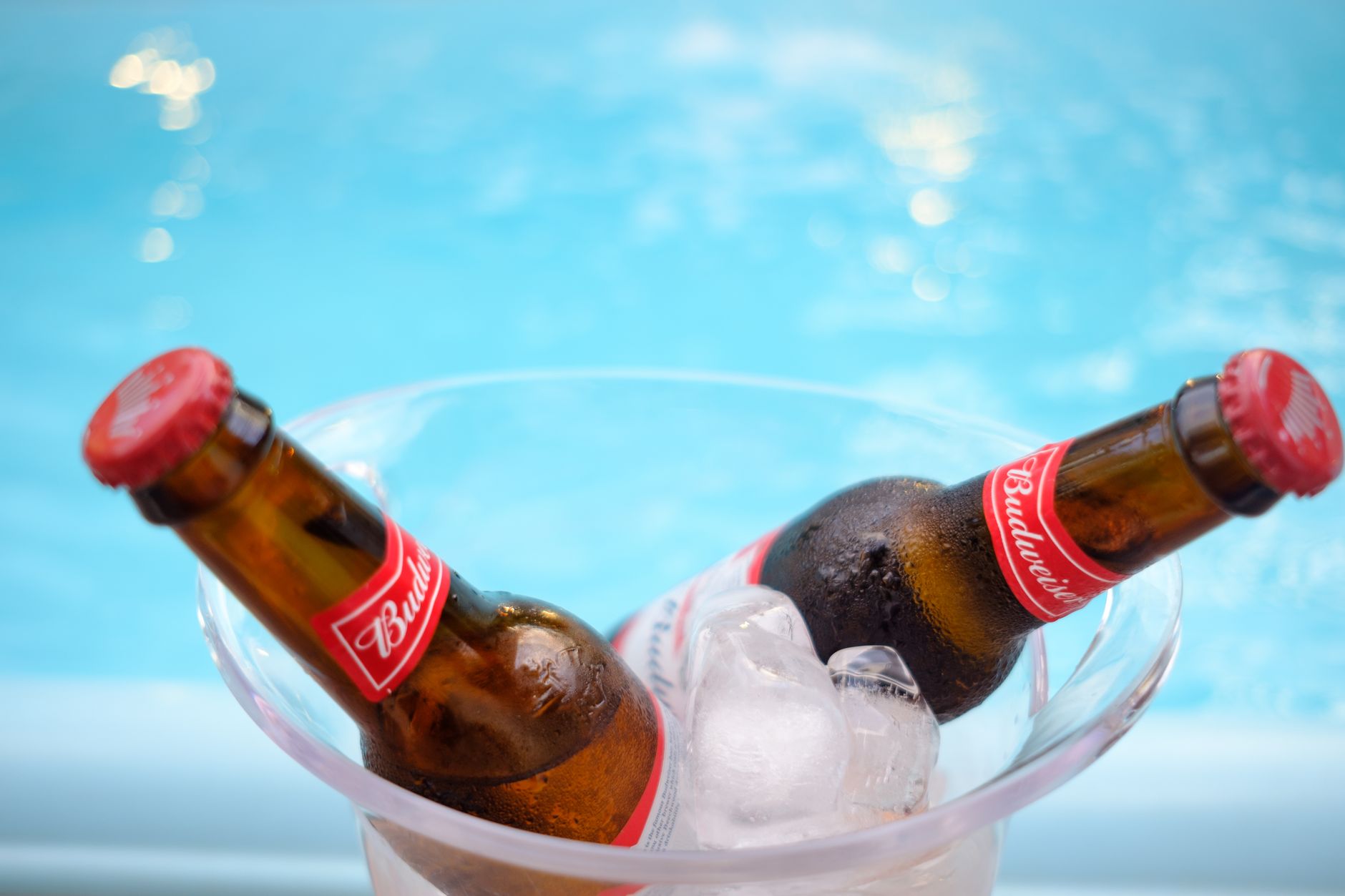
Budweiser, often referred to as “The King of Beers,” is an American-style lager with deep roots in the brewing history of the United States. Its classic taste has made it a staple in American culture, found at barbecues, sporting events, and celebrations. In this article, we will explore Budweiser’s origins, its brewing process, its role in American food culture, and creative ways to enjoy this iconic beer.
Understanding whether Budweiser is truly American goes beyond just its production location. This article will delve into its historical background, cultural significance, culinary pairings, and serving ideas, all of which contribute to its identity as an American staple.
Is Budweiser American?
Yes, Budweiser is an American beer. It was first brewed in St. Louis, Missouri, in 1876 by German immigrants Adolphus Busch and Eberhard Anheuser. Over the years, it has become synonymous with American brewing, enjoying popularity both domestically and internationally.
The History of Budweiser
Budweiser’s story begins in the late 1800s, a time when American brewing was largely dominated by German immigrants who brought their beer-making traditions with them. Adolphus Busch recognized the potential of brewing quality beer in the United States and aimed to create a lager that would compete with those from Europe.
After numerous experiments and refinements, Busch developed the Budweiser recipe, which features a blend of barley malt, rice, hops, and water. The use of rice as an adjunct allows for a light, crisp finish, differentiating Budweiser from other heavier lagers.
The name “Budweiser” is derived from the Czech town of Budweis, known for its beer production. However, the brewery behind Budweiser claims it as its own with the slogan “The King of Beers.” Since its inception, Budweiser has been produced by Anheuser-Busch, which has grown to be one of the largest beer producers in the world.
The Brewing Process
The brewing of Budweiser involves several key steps that are essential to achieving its signature light flavor and smooth finish. Here’s a breakdown of the process:
- Milling: Barley grains are milled to loosen the husks and break the grains for the mashing process.
- Mashing: The milled grains are mixed with hot water to activate enzymes, converting starches into fermentable sugars.
- Boiling: The mash is boiled, and hops are added for bitterness, aroma, and flavor. The boiling process also sterilizes the wort.
- Fermentation: After cooling, yeast is added to the wort, and fermentation begins. This process usually lasts about five to seven days, where the yeast converts sugars into alcohol.
- Filtration and Pasteurization: The beer is filtered and pasteurized to stabilize flavor and extend shelf life. This process removes impurities and ensures a clear product.
- Packaging: Finally, Budweiser is packaged into bottles, cans, or kegs and distributed for consumption.
Cultural Significance of Budweiser
Budweiser has transcended its role as just a beverage. It is deeply embedded in American culture and identity. From football tailgates to Fourth of July picnics, Budweiser is often the drink of choice.
In advertising, Budweiser has created memorable campaigns that emphasize its connection to American life. Iconic commercials, especially those featuring the Clydesdales, capitalize on themes of friendship, celebration, and patriotism. These ads resonate with core American values and embody the spirit of sharing a cold beer with friends and family.
Food Pairings with Budweiser
One of the joys of enjoying Budweiser is pairing it with a variety of foods. Its light, crisp flavor complements many dishes, making it a versatile choice for meals and snacks.
Grilled Meats
Budweiser pairs wonderfully with grilled meats including burgers, hot dogs, and BBQ ribs. The beer’s crispness cuts through the richness of fat, enhancing the flavors of the grilled foods.
Spicy Foods
Its refreshing profile also makes Budweiser an excellent companion to spicy dishes, such as buffalo wings or spicy tacos. The carbonation helps to temper the heat, allowing you to enjoy your meal more fully.
Salty Snacks
Salty snacks like pretzels, nachos, or chips and salsa are perfect for Budweiser. The beer complements the saltiness while refreshing your palate, making it ideal for snacking while watching a game.
Seafood
Light lagers like Budweiser also go well with seafood dishes. Fried calamari, fish tacos, or grilled shrimp benefit from the beer’s clean taste, which balances the flavors without overpowering them.
Cocktails and Culinary Uses with Budweiser
Beyond just being consumed on its own, Budweiser can also be used creatively in cocktails and cooking. Here are some interesting ideas:
Budweiser Beer Can Chicken
This popular grilling method involves placing a half-full can of Budweiser inside a whole chicken before roasting it on a grill. The steam from the beer keeps the chicken moist while adding flavor. Here’s a quick breakdown of how to prepare it:
- Ingredients:
- 1 whole chicken (3-5 pounds)
- 1 can of Budweiser
- Your choice of chicken seasoning (salt, pepper, garlic powder, etc.)
- Instructions:
- Preheat your grill to medium heat.
- Open the can of Budweiser and take a few sips (or pour out a bit), leaving it about halfway full.
- Season the chicken inside and out with your preferred seasoning.
- Carefully place the chicken over the can, ensuring it stands upright.
- Place it on the grill, cover, and cook for about 1.5 hours, or until the internal temperature reaches 165°F.
- Remove the chicken carefully, let it rest for a few minutes, and then serve.
Budweiser BBQ Sauce
Making a BBQ sauce with Budweiser adds depth and flavor to your grilling recipes. Here’s a simple recipe for Budweiser BBQ sauce:
- Ingredients:
- 1 cup Budweiser
- 1 cup ketchup
- 1/2 cup apple cider vinegar
- 1/4 cup brown sugar
- 1 tablespoon Worcestershire sauce
- 1 teaspoon smoked paprika
- Salt and pepper to taste
- Instructions:
- In a saucepan, combine all ingredients and bring to a boil.
- Reduce the heat and let it simmer for about 30 minutes until it thickens.
- Cool and store in the refrigerator until ready to use.
Serving Budweiser: Tips and Ideas
How you serve Budweiser can enhance the drinking experience. Here are some practical tips and ideas for serving this iconic beer:
Glassware
While Budweiser can be enjoyed from the can or bottle, serving it in an appropriate glass can elevate the experience. A tall pilsner glass highlights its carbonation and golden color, allowing the drinker to appreciate its appearance. A standard pint glass or mug is also acceptable.
Serving Temperature
The ideal temperature for serving Budweiser is between 38°F and 45°F. Serving it too cold can mask the flavors, while warmer temperatures can make it less refreshing. Chilling it to the correct temperature ensures you savor its crispness.
Garnishes
Although Budweiser is typically enjoyed plain, you can experiment with garnishes. A slice of lime or lemon can add a refreshing twist, particularly in warm weather. Additionally, serve it alongside a plate of nachos dusted with fresh cilantro for a flavorful pairing.
Common Mistakes to Avoid
When enjoying Budweiser or using it in recipes, there are a few common pitfalls to watch out for:
- Overpouring: When pouring from a can or bottle, let the beer cascade down the side of the glass to minimize foam and ensure a smooth pour.
- Ignoring Food Pairings: While Budweiser is versatile, pairing it with heavy dishes like rich stews can overwhelm its light flavor. Opt for lighter fare for the best experience.
- Serving at the Wrong Temperature: As mentioned earlier, serving Budweiser too cold or too warm can affect the taste. Always aim for the ideal temperature.
Storage and Shelf Life
Proper storage of Budweiser is essential to maintain its freshness and flavor. Keep it in a cool, dark place, preferably between 50°F to 55°F. Avoid exposure to light and temperature fluctuations, as these can negatively impact the taste. Budweiser is best consumed fresh, within six months of the purchase date, for optimal flavor.
Once opened, it’s advisable to consume Budweiser within a few hours to enjoy its carbonation and taste. If left in the refrigerator, it should be consumed within 1-2 days for the best experience.
Conclusion
Budweiser is undeniably an American beer, with a rich history that continues to resonate in contemporary culture. Its versatile flavor profile allows for a wide range of culinary applications, making it a perfect companion for various foods and cooking methods. Whether enjoyed on its own or creatively incorporated into recipes, Budweiser remains a beloved staple of American food culture. Grab some Budweiser and explore its versatility today!
For more ideas on food and drink pairings, check out our guides on Bud Light Can and Wisconsin Old-Fashioned Recipe.