
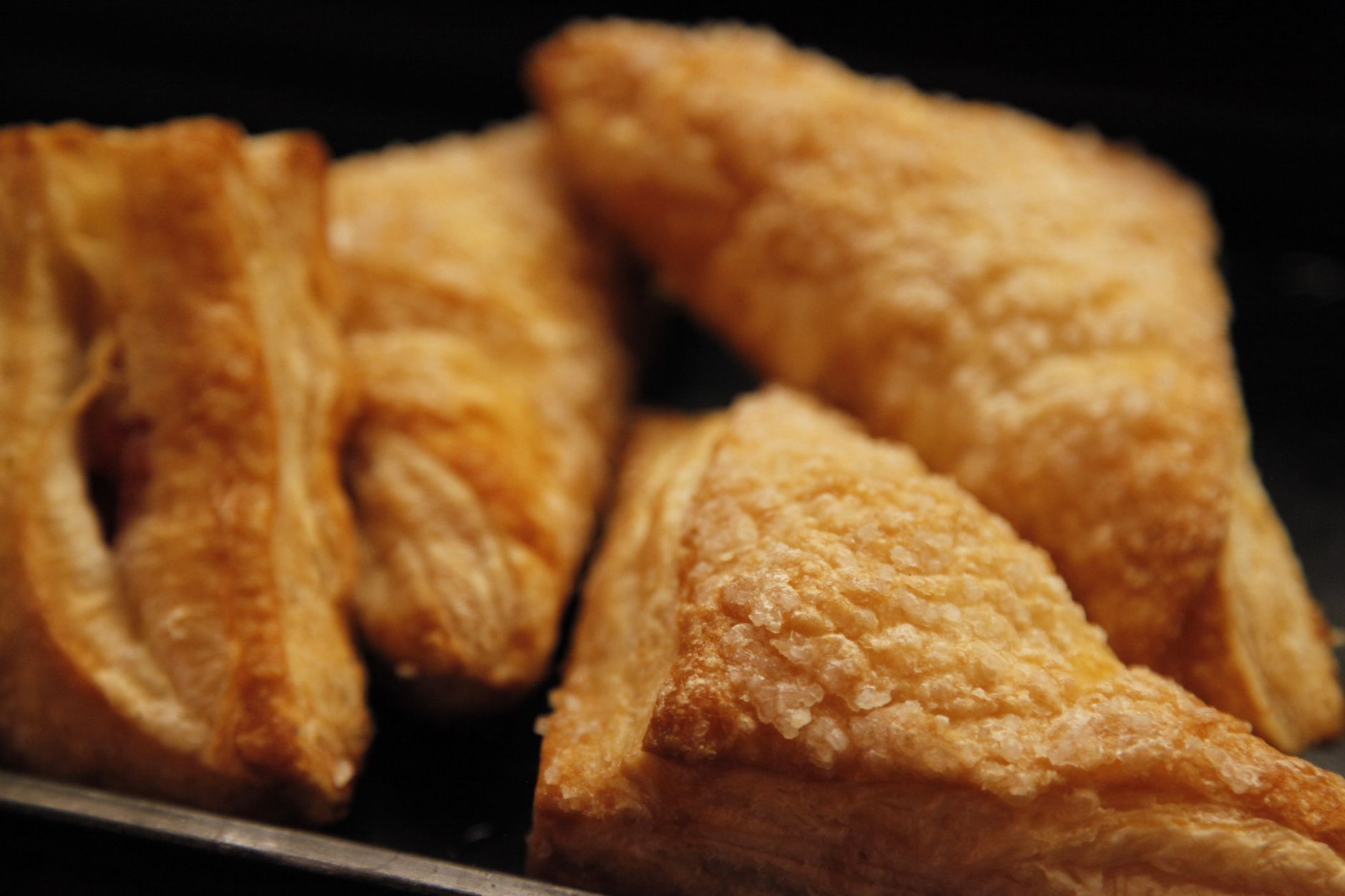
Puff pastry is a versatile and delightful ingredient essential for many delicious dishes. From pastries to pies, its flaky layers create an irresistible texture and taste. Whether you’re making sweet or savory treats, knowing how long to bake puff pastry at 400°F is crucial for achieving the perfect result.
This guide will explore the specifics of baking puff pastry, including how long to bake it at 400°F, what to watch for to ensure doneness, and tips for working with this delightful dough.
How Long to Bake Puff Pastry at 400?
When baking puff pastry at 400°F, the general cooking time ranges from 15 to 25 minutes, depending on the thickness and size of the pastry. It’s essential to watch for a golden-brown color and a puffed appearance to ensure optimal doneness.
Understanding Puff Pastry
Puff pastry is a laminated dough made by folding butter into dough multiple times to create thin layers. During baking, the moisture in the butter creates steam, resulting in the pastry’s characteristic light and airy texture. To make the most of your puff pastry, it’s valuable to understand how it behaves during the baking process.
Key Characteristics
- Flakiness: Layers expand and separate during baking, giving classic puff pastries their flaky structure.
- Color: A beautifully baked puff pastry should be golden brown when done.
- Puffiness: The pastry should rise significantly, doubling or tripling in height.
Types of Puff Pastry Recipes
Puff pastry can be used in various recipes, including:
- Sweet Treats: Eclairs, palmiers, fruit tarts, and cream puffs.
- Savory Dishes: Quiches, sausage rolls, and pot pies.
- Appetizers: Cheese straws and filled pastries.
Preparation Steps for Baking Puff Pastry
Before diving into baking, it’s important to prepare your puff pastry properly to ensure a successful bake. Here are essential steps to follow:
1. Thawing the Puff Pastry
If using frozen puff pastry, it’s vital to thaw it correctly. Transfer the pastry from the freezer to the refrigerator for several hours or overnight. If you are short on time, leaving it at room temperature for about 30 minutes can also work, but be cautious not to let it get too warm or it may become sticky.
2. Rolling Out the Dough
Once thawed, gently roll out the puff pastry on a lightly floured surface. Aim for an even thickness of about 1/8 inch. Be gentle, as overworking it can warm the butter and compromise the layers.
3. Cutting the Pastry
Cut the pastry to your desired shape and size. Remember that puff pastry puffs up in the oven, so give it enough space and make allowance for the final size of your pastry.
Baking Puff Pastry at 400°F
Now that you’ve prepared your puff pastry, it’s time to bake it. Here’s everything you need to know for a successful bake at 400°F.
1. Preheat Your Oven
Make sure to preheat your oven to 400°F (204°C) before placing the pastry inside. A hot oven is crucial for achieving maximum puff and flakiness.
2. Preparing the Baking Sheet
Line a baking sheet with parchment paper or a silicone baking mat. This prevents the pastry from sticking and allows for even cooking. Place the cut pastry pieces on the baking sheet, ensuring they are not touching each other.
3. Egg Wash for Color
To achieve a golden brown color, brush the tops of the pastry with an egg wash made from a beaten egg mixed with a tablespoon of water. This step is optional but highly recommended.
4. Baking Time
For puff pastry, baking time at 400°F typically ranges from:
- 15-25 minutes: For smaller pastries like cheese straws and puffs.
- 25-30 minutes: For larger pastries like pot pies or tarts.
Check for doneness around the 15-minute mark, but continue baking until the pastry is golden brown and has a pronounced puff.
5. Checking for Doneness
Visual cues for doneness include:
- A golden brown color on the exterior.
- Visible puffing of the layers.
- If unsure, insert a toothpick into the center; it should come out clean and dry.
Common Mistakes and Troubleshooting
While puff pastry is relatively straightforward to bake, a few common pitfalls can lead to less-than-perfect results. Knowing these mistakes and how to avoid them will improve your baking.
1. Not Preheating the Oven
Failing to preheat your oven can result in uneven baking and inadequate puffing. Always allow your oven to reach the desired temperature before placing the pastry inside.
2. Too Much Moisture
Excessive moisture can result in soggy bottoms. Ensure that fillings are not too wet and consider using a fork to poke small holes in the bottom to allow steam to escape.
3. Overworking the Dough
Overworking the puff pastry can melt the butter layers. Handle the dough as little as possible and minimize rolling to maintain the flaky texture.
4. Baking Too Quickly or Slowly
If your pastry is browning too quickly, it may need to be covered loosely with aluminum foil. Conversely, if it’s browning too slowly, consider increasing the oven temperature slightly.
Substitutions and Variations
While puff pastry itself is specific in its preparation, there are ways to alter the recipe for different dietary needs or preferences.
1. Gluten-Free Puff Pastry
Gluten-free puff pastry is available in stores or can be made using gluten-free flours. However, it may not puff quite as dramatically as traditional puff pastry due to the absence of gluten.
2. Vegan Alternatives
For a vegan version, use plant-based butter or margarine. Adjust baking times as necessary, since some vegan butters behave differently than traditional butter.
3. Substituting Fillings
You can customize puff pastry fillings. Common substitutions include:
- Vegetables: Swap in seasonal vegetables or your favorites.
- Cheese: Use different types of cheese for varied flavors.
- Sweet Fillings: Experiment with jams, chocolate, or cream cheese instead of the traditional fillings.
Storage and Reheating Tips
If you have leftover baked puff pastry, it’s essential to store it correctly to maintain its texture and flavor.
1. Storing the Puff Pastry
Baked puff pastry is best enjoyed fresh but can be stored at room temperature in an airtight container for up to two days. If longer storage is needed, consider refrigerating, but note that the texture may suffer.
2. Reheating Baked Puff Pastry
To reheat, place the puff pastry in a preheated oven at 350°F for about 10 minutes or until warmed through. Avoid the microwave, as this will result in a chewy, soggy texture.
Serving Suggestions
Puff pastry lends itself to various serving methods and pairings. Here are some ideas:
1. Sweet Treats
Try serving sweet puff pastry desserts with fresh fruit compote or a dusting of powdered sugar. They pair excellently with whipped cream or ice cream for an indulgent treat.
2. Savory Combinations
Serve savory puff pastry with fresh salads or roasted vegetables. A dipping sauce like aioli or a spicy salsa can enhance flavors further.
Conclusion
Understanding how long to bake puff pastry at 400°F is essential for creating delightful, flaky dishes. With this guide, you can iron out the details necessary for perfect puff pastry every time. From thoughtful preparation to checking for doneness, using the right techniques will lead to successful results.
Explore related recipes, cooking tips, or food guides to keep your baking skills sharp and expand your culinary repertoire. Check out our apple puff pastry recipe or learn how long to bake boneless pork chops for delicious meal ideas.