
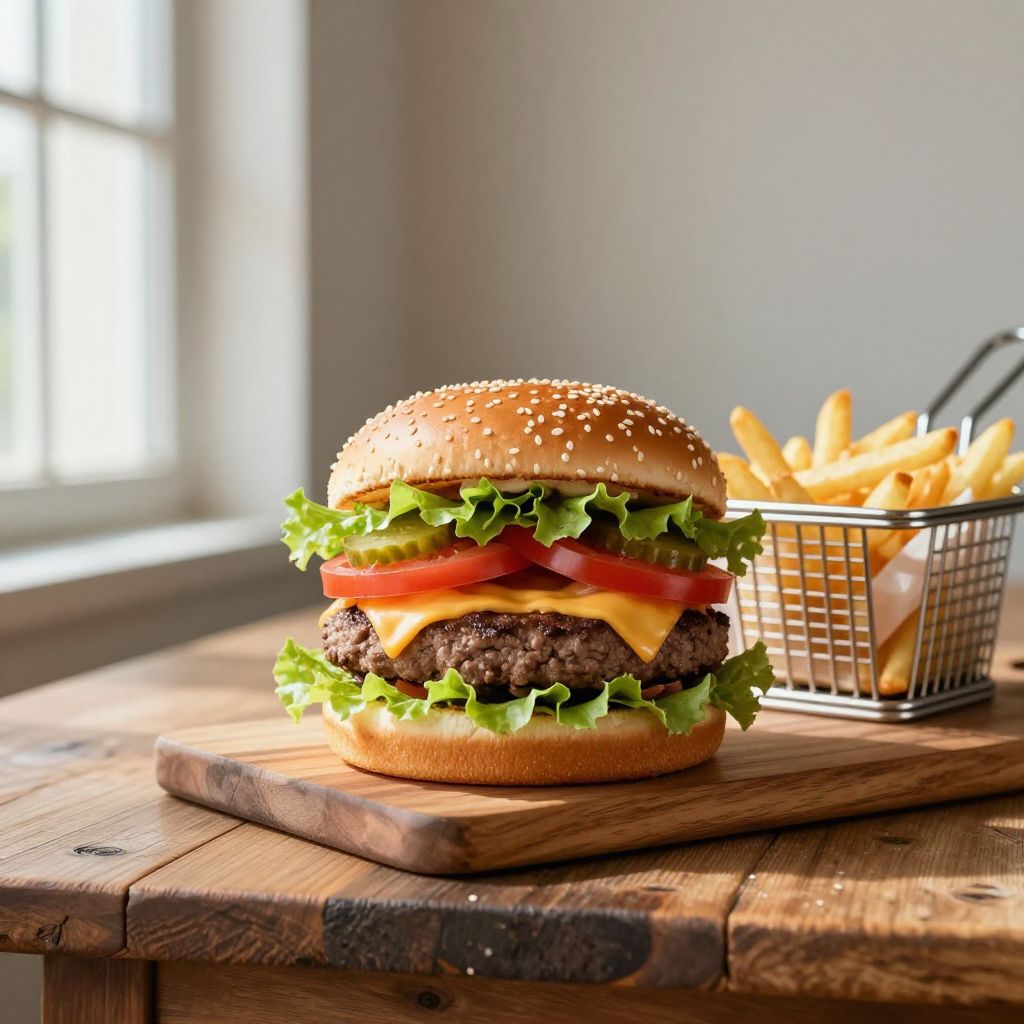
Fast food is a staple in many diets around the world, favored for its convenience and taste. However, there is an ongoing debate about the nutritional quality of fast food in relation to its classification as processed food. Understanding the distinctions between fast food and processed food can be crucial for making healthier dietary choices.
This article delves into the nuances of fast food, its processing methods, and its implications on health. We’ll also explore common ingredients, how they are prepared, and how to make informed decisions when choosing fast food options.
Is Fast Food Processed Food?
Yes, fast food is considered a type of processed food. Processing refers to any method of changing raw ingredients into a final product, which can include cooking, canning, freezing, and packaging. Fast food involves the use of preservatives and flavor enhancers to extend shelf life and enhance taste.
To further understand the relationship between fast food and processed food, it’s essential to explore the specific characteristics of processed foods and how they apply to common fast food items.
Understanding Processed Foods
Processed food includes any food that has been altered from its natural state for safety reasons or convenience. Here are the three main categories of processed foods:
- Minimally processed foods: These are natural foods that have been cleaned, cut, or prepared (like pre-washed salad greens or chopped vegetables) but retain most of their original nutritional value.
- Processed culinary ingredients: These are items like oils, sugars, and salts that are extracted from natural sources. They are used in cooking and baking.
- Heavily processed foods: This category includes items like ready-to-eat meals, packaged snacks, and sugary cereals. These foods typically contain added preservatives, flavoring, and artificial ingredients.
Fast food generally falls into the heavily processed category due to the methods employed in cooking and assembling the meals, along with the addition of numerous additives.
Common Characteristics of Fast Food
Fast food is characterized by convenience, affordability, and speed of service. Here are some common characteristics:
- Quick preparation: Fast food is designed to be prepared rapidly, often using techniques such as deep frying and microwaving.
- Standardized menu items: Fast food chains offer a consistent menu across locations, which is made possible through industrial processing methods.
- Highly palatable ingredients: Many fast food items are engineered to taste good, combining fats, sugars, and salts to drive consumer demand.
Common Ingredients in Fast Food
Fast food items often feature a range of common ingredients, many of which are processed. Here’s a closer look at some of these key ingredients:
1. Breads and Buns
Fast food sandwiches and burgers typically come in buns, which often contain enriched flour, sugar, and preservatives like calcium propionate. These ingredients can result in higher glycemic responses compared to whole grain breads.
2. Meat and Poultry
Meats served in fast food are usually processed for flavor and preservation. This includes everything from ground beef for patties to chicken that undergoes marinating or breading. For example, fast food chicken nuggets often contain additives such as sodium phosphates to enhance moisture retention, alongside various seasonings.
3. Sauces and Dressings
Sauces used in fast food provide flavor and texture but come with added sugars, oils, and preservatives. Common sauces include mayonnaise, ketchup, barbecue sauce, and salad dressings, frequently using high fructose corn syrup as a primary ingredient for sweetness.
4. Cheese
Processed cheese, often used in fast food, is made from natural cheese mixed with emulsifiers, preservatives, and stabilizers. This can lead to a reduction in nutritional quality compared to natural cheese.
5. Frozen and Pre-Cooked Foods
Many fast food items are precooked and frozen, only to be reheated in restaurants. This can include fries, onion rings, or chicken patties, which often contain additives to maintain texture and flavor.
How Fast Food is Prepared
Fast food preparation involves a range of methods, predominantly designed for efficiency. Understanding these methods can shed light on the nutritional aspects of fast food:
- Deep frying: Many fast food items, such as fries and chicken, are deep-fried to achieve a crispy texture. This method, while fast, adds significant amounts of fat and calories.
- Grilling and toasting: Items like burgers may be grilled or toasted, usually treated with marinades or seasonings that enhance flavor but can also contribute extra sodium and sugar.
- Microwaving: Some foods are pre-cooked and reheated using microwaves, which raises concerns about consistent heating and food safety, particularly with protein-rich items.
Fast Food as Convenience vs. Nutritional Value
While fast food is undeniably convenient and appealing, the nutritional value often takes a back seat. Fast food tends to be high in calories, unhealthy fats, sugars, and sodium, making it less suitable for everyday consumption. Keeping an eye on ingredient lists can help consumers make informed choices.
One of the leading issues with fast food is portion size. Larger servings can lead to increased calorie intake and contribute to weight gain over time. Take burgers, for example: a standard fast food burger can have twice the calories compared to its homemade counterpart.
Making Healthier Fast Food Choices
For those who choose to indulge in fast food occasionally, there are some strategies for making healthier selections:
- Opt for grilled items: Choosing grilled chicken sandwiches can cut down on extra calories compared to fried chicken options.
- Customize your order: Don’t hesitate to request alterations, like less sauce or no cheese, to better suit your nutritional preferences.
- Choose water over soda: Substitute sugary drinks with water or unsweetened iced tea to reduce calorie intake.
- Monitor portion sizes: Consider ordering smaller sizes or items from the kids’ menu to manage calorie consumption.
Beyond the Menu: Handling Fast Food at Home
For those wanting to enjoy the flavor of fast food while controlling ingredients and preparation methods, making homemade fast-food-style meals can be a fantastic option. Here’s how to approach this:
1. Homemade Burgers
Using lean ground beef or turkey, you can create flavorful patties without the excess fat and added preservatives. Pair with whole grain buns, fresh vegetables, and homemade condiments to significantly improve nutritional value.
2. Oven-Baked Fries
Instead of deep-frying, cut potatoes into wedges and bake with a light spray of oil and seasoning. This method retains flavor while reducing fat content.
3. Fast Food-Style Salads
Create salads resembling those from fast-food chains by using fresh greens, grilled chicken, fresh vegetables, and a vinaigrette dressing, while avoiding excessive cheese and croutons.
How to Store and Reheat Fast Food
If you find yourself with leftover fast food, proper storage and reheating can help maintain its quality:
- Storage: Store leftovers in airtight containers within two hours of purchase. Keep items refrigerated; most fast food is best consumed within 3-4 days.
- Reheating: Reheat fast food in an oven or toaster oven for crispiness. Use microwave settings cautiously to avoid rubbery textures, especially for items containing bread or breading.
Common Misconceptions About Fast Food
Despite the negative narratives surrounding fast food, several misconceptions exist. Here are a few:
- All fast food is unhealthy: While many fast food options are high in calories and low in nutrition, some chains offer healthier options like salads, fresh fruits, and whole-grain items.
- Organic fast food doesn’t exist: Emerging fast food brands are focusing on organic ingredients and healthier cooking methods, challenging the traditional ideas of fast food.
Final thoughts on Fast Food and Processed Food
Fast food is indeed a form of processed food, characterized by its speed, convenience, and often lower nutritional value. However, consumers have the power to make informed choices by being aware of ingredients and preparation methods. By understanding the nature of fast food and how to navigate menus wisely, it’s possible to enjoy the convenience of fast food without sacrificing health.
As you consider your next meal, take time to explore lighter, homemade versions of your favorite fast food items or opt for healthier menu selections. If you’re looking to recreate fast food flavors at home, check out our McGriddle Recipe or our Chick-fil-A Chicken Recipe for delicious alternatives. Your taste buds—and your body—will thank you.