
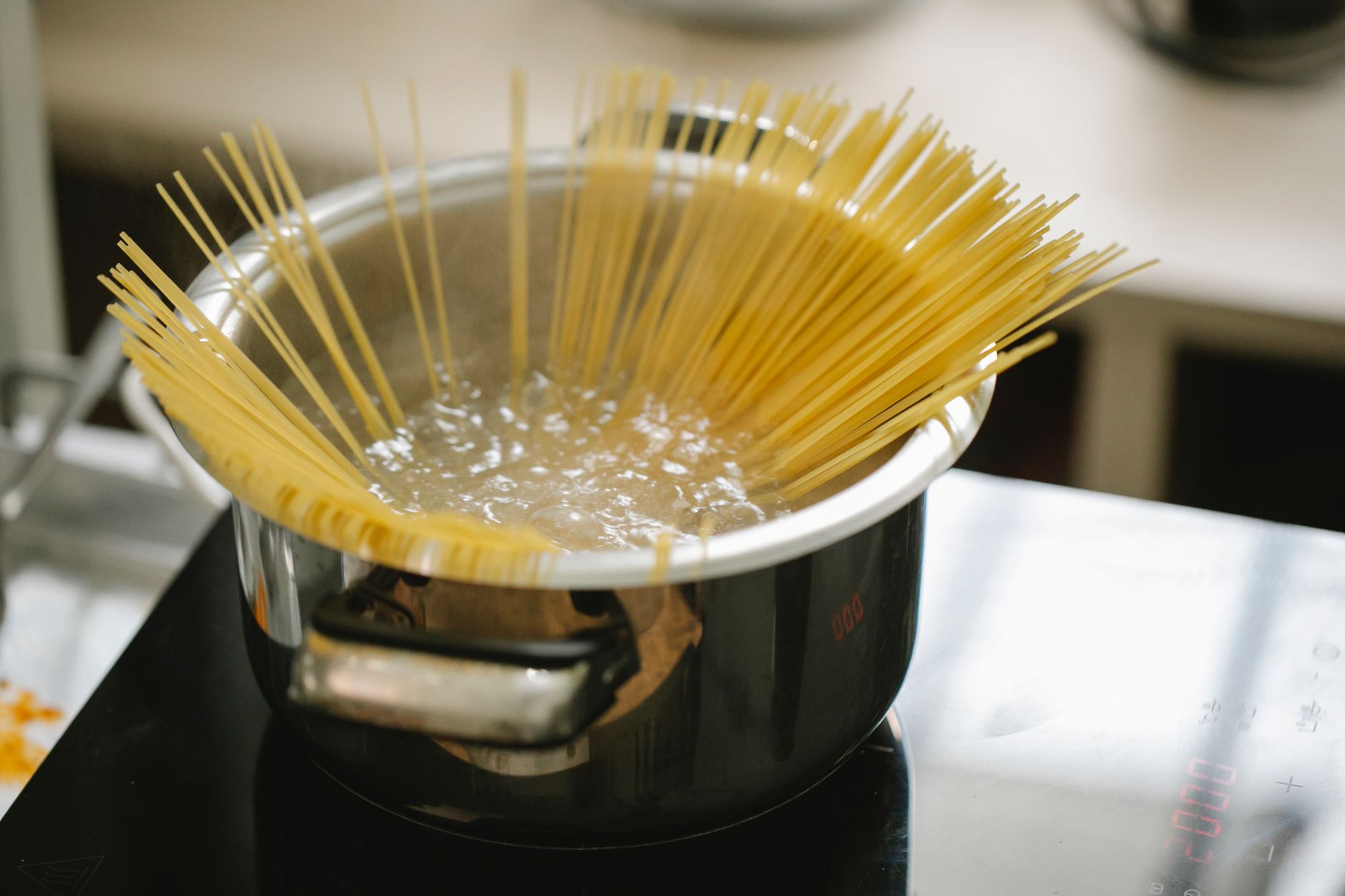
Pasta is a staple food enjoyed in nearly every corner of the world, known for its versatility and ease of preparation. Whether you’re whipping up a quick weeknight dinner or crafting a gourmet dish, understanding how long it takes for pasta to boil is essential for perfect results.
This guide covers everything you need to know about boiling pasta, including timing, techniques, and tips for avoiding common mistakes. With accurate boiling times and temperature insights, you’ll be on your way to cooking pasta like a pro.
How Long Does It Take for Pasta to Boil?
The cooking time for pasta typically ranges from 8 to 12 minutes, depending on the shape and thickness of the pasta. Most dried pasta varieties will take about 10 minutes to boil to al dente perfection. However, it’s crucial to check the package instructions for specific timings, as they can vary by brand and type.
Types of Pasta and Their Cooking Times
Different types of pasta require different boiling times. Here’s a breakdown of common pasta shapes and their approximate boiling durations:
| Pasta Type | Cooking Time (Minutes) |
|---|---|
| Spaghetti | 8-12 |
| Penne | 10-12 |
| Fusilli | 10-12 |
| Fettuccine | 10-14 |
| Linguine | 8-10 |
| Macaroni | 7-9 |
| Lasagna Sheets | 8-10 |
| Orrechiette | 10-12 |
Note that fresh pasta typically cooks faster than dried pasta, usually requiring only 2 to 4 minutes depending on its thickness. It’s always best to taste for doneness when boiling any type of pasta.
The Boiling Process Explained
To boil pasta effectively, follow these steps to ensure that it cooks evenly and achieves the desired texture. Here’s how you do it:
- Choose a large pot: Use a pot large enough to hold plenty of water without boiling over. Ideally, use 4-6 quarts of water per pound of pasta.
- Bring the water to a boil: Place the pot on the stove over high heat and cover it with a lid. This will help the water boil faster. Once boiling, remove the lid.
- Add salt: Season the water generously with salt. A standard ratio is about 1 tablespoon of salt per 4 quarts of water. This enhances the flavor of the pasta.
- Add the pasta: Once the water is boiling rapidly, add the pasta. Stir it immediately to prevent sticking.
- Start your timer: Refer to the package instructions for timing, and taste for doneness a minute or two before the suggested time.
- Toss or stir occasionally: Give the pasta a stir every few minutes to keep it from sticking.
- Check for doneness: Pasta should be al dente – tender, but with a slight bite. Drain the pasta when it reaches your preferred texture.
- Reserve pasta water: If using sauce, consider saving a cup of the pasta cooking water before draining. The starchy water can help thicken and bind the sauce.
Tips for Perfectly Boiled Pasta
While boiling pasta may seem straightforward, here are some essential tips to help you achieve the best results:
- Use plenty of water: Cooking pasta in sufficient water prevents it from becoming gummy, allowing it to move freely.
- Do not rinse: Unless you are preparing cold pasta salads, avoid rinsing the cooked pasta. Rinsing washes away the starch that helps sauces adhere.
- Use a timer: The best way to achieve precision is to use a timer. It will help ensure you don’t overcook your pasta.
- Taste test: The only true way to know if pasta is done is by tasting it. If it’s to your liking, it’s ready!
- Avoid oiling the water: Many people think adding oil to the boiling water prevents sticking, but it can also prevent the sauce from adhering to the pasta.
Common Mistakes When Boiling Pasta
Even the most experienced cooks can make mistakes when boiling pasta. Here are some common pitfalls and how to avoid them:
- Not salting the water: Neglecting to salt the water can result in bland pasta, as the pasta absorbs the water’s flavor.
- Overcrowding the pot: Cooking too much pasta at once can lead to uneven cooking and a mushy texture.
- Not stirring immediately: Failing to stir right after adding pasta may result in clumps and sticking.
- Ignoring timing: Cooking pasta longer than the specified time can lead to a mushy texture. Keep an eye on it, and taste for perfect doneness.
- Not reserving pasta water: This liquid is liquid gold for creating sauces; don’t forget to save some before draining!
How to Sauce Your Pasta
Once your pasta is boiled correctly, the next step is to dress it with a sauce. Here are some tips for saucing pasta effectively:
- Choose the right sauce: Consider the pasta type and sauce pairing. For instance, thicker sauces work well with wide noodles, while lighter sauces pair well with finer pasta.
- Temperature matters: For the best results, heat your sauce in a separate skillet while the pasta cooks. Combine them just before serving.
- Add pasta water: Incorporate a ladle of the reserved pasta water into your sauce for a silkier texture and to help the sauce cling better.
- Finish cooking together: If you toss the drained pasta in the sauce for a minute or two, it helps bind the flavors together.
Meal Ideas Featuring Pasta
Pasta can be the star of countless dishes, making it a versatile ingredient. Here are some meal ideas that highlight boiled pasta:
- Pasta Primavera: Toss boiled pasta with fresh, sautéed vegetables and a light olive oil or garlic sauce.
- Spaghetti Carbonara: Mix hot pasta with crisp bacon, eggs, cheese, and black pepper for a creamy sauce.
- Penne Arrabbiata: Pair your penne with a spicy tomato sauce for a flavorful kick.
- Macaroni and Cheese: Boil macaroni and mix it with a creamy cheese sauce for a hearty comfort food dish.
- Lasagna: Use boiled sheets of lasagna pasta layered with ricotta, mozzarella, and your choice of filling.
Storing and Reheating Cooked Pasta
Leftover boiled pasta can be stored and reheated for future meals. Here’s how:
- Storage: Cool the pasta to room temperature, then store it in an airtight container in the refrigerator for up to 3-5 days.
- Freezing: For longer storage, freeze boiled pasta for up to 2-3 months. Thaw it overnight in the refrigerator before reheating.
- Reheating: To reheat, add a splash of water or oil and microwave or heat in a skillet over low heat until warm. You can also briefly boil it again for about 30 seconds.
Conclusion
Mastering the art of boiling pasta opens the door to countless culinary possibilities. With the right timing, seasoning, and techniques, you can elevate your pasta dishes to new heights.
For more delicious recipes and cooking tips, check out our guides on cooking fresh green beans and making orecchiette pasta.