
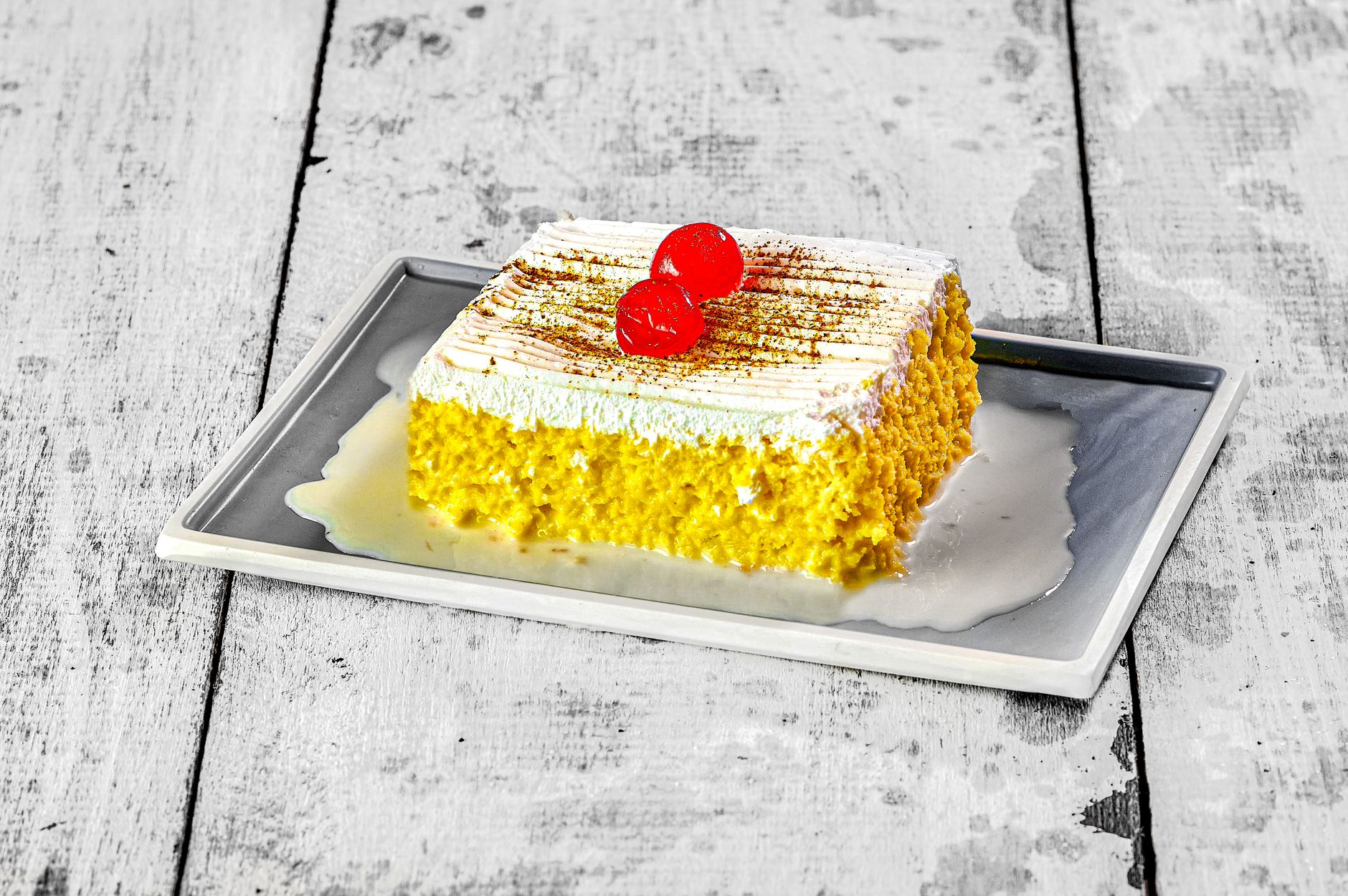
Tres leches cake, a sponge cake saturated with three types of milk, is a beloved dessert across Latin America and beyond. Its unique texture and rich flavor make it a favorite for celebrations and gatherings. But where exactly does this luscious dessert come from and how has it evolved over the years?
This article delves into the history, origins, and cultural significance of tres leches cake, providing insights into its preparation and highlighting the reasons for its enduring popularity.
Where Does Tres Leches Come From?
Tres leches cake originates from Latin America, specifically believed to have roots in Mexico, but variations exist throughout Central America and beyond. The cake’s distinct soaked texture and sweet flavor profile stem from the combination of three different milks used to moisten the cake.
While its exact origin remains debated, tres leches cake likely evolved in the early to mid-20th century, gaining popularity across Latin America as a dessert for special occasions and gatherings. Its delicious blend of flavors and moist texture has earned it a cherished place in many cultural traditions.
The Historical Background of Tres Leches Cake
The history of tres leches cake can be traced back to the early 1900s. Some culinary historians suggest that the concept of soaking cake in milk may have originated from traditional European recipes. The idea of using multiple types of milk to create a moist cake, however, seems to be a distinctly Latin American innovation.
In the 1950s, tres leches gained widespread recognition after being featured in various Mexican cookbooks and television shows, contributing to its popularity in other Latin American countries. It became firmly entrenched in Mexican cuisine and is now widely regarded as a national dessert.
Cultural Significance of Tres Leches Cake
Tres leches cake is more than just a dessert; it’s embedded in cultural celebrations and family gatherings across Latin America. It is often prepared for birthdays, weddings, and holidays, symbolizing sweetness and togetherness.
In some regions, tres leches is accompanied by specific toppings or flavor variations, such as whipped cream, fruit, or nuts, reflecting local tastes and culinary traditions. Each family may have its own preferred recipe or method of preparation, contributing to the cake’s rich heritage.
Understanding the Composition of Tres Leches Cake
The signature characteristic of tres leches cake lies in its moist and creamy texture, achieved by soaking the sponge cake in three types of milk. The primary ingredients are:
- Evaporated Milk: This concentrated milk adds creaminess and richness to the cake.
- Sweetened Condensed Milk: This thick, sugary milk contributes sweetness and results in a decadent flavor profile.
- Whole Milk: This balances the textures and enhances the overall mouthfeel of the cake.
The cake itself is typically a light and airy sponge cake that absorbs the three types of milk effectively, resulting in a moist, delectable treat.
Preparing Tres Leches Cake: A Step-by-Step Guide
If you’re interested in preparing tres leches cake at home, here’s a detailed guide to help you create this exquisite dessert. The following method includes typical ingredients and instructions, but feel free to experiment with variations according to your taste.
Ingredients
- 1 cup all-purpose flour
- 1 ½ teaspoons baking powder
- ¼ teaspoon salt
- 5 large eggs, separated
- 1 cup granulated sugar
- 1 teaspoon vanilla extract
- 1/3 cup whole milk
- 1 can (12 oz) evaporated milk
- 1 can (14 oz) sweetened condensed milk
- 1 cup heavy whipping cream
- 1 tablespoon sugar (for whipping cream)
- Fresh fruit or nuts for garnish (optional)
Essential Equipment
- Mixing bowls
- Electric mixer or whisk
- 9×13 inch baking dish
- Spatula
- Measuring cups and spoons
- Liquid measuring cup
Step-by-Step Method
- Preheat your oven to 350°F (175°C) and grease the baking dish.
- In a bowl, sift together the flour, baking powder, and salt. Set aside.
- In a separate bowl, beat the egg yolks with granulated sugar and vanilla extract until thick and pale.
- Stir in the flour mixture, alternating with whole milk, until just combined.
- In another bowl, beat the egg whites until soft peaks form, then gently fold them into the batter.
- Pour the batter into the prepared baking dish and bake for about 30 minutes, or until a toothpick comes out clean.
- Once baked, allow the cake to cool completely in the dish on a wire rack.
- In a separate bowl, whisk together the evaporated milk, sweetened condensed milk, and heavy cream.
- When the cake is cool, poke holes evenly over the surface with a skewer or fork. Pour the milk mixture over the cake, allowing it to soak in thoroughly.
- Cover the cake with plastic wrap and refrigerate for at least 4 hours, preferably overnight.
- Before serving, whip the heavy cream with sugar until stiff peaks form. Spread the whipped cream over the top of the soaked cake and garnish with fresh fruit or nuts if desired.
- Slice and serve chilled.
Variations and Flavor Additions
While traditional tres leches cake is incredibly satisfying, many chefs and home bakers enjoy customizing their versions to explore different flavors and textures. Here are some exciting variations:
- Coconut Tres Leches: Substitute coconut milk for one of the milks in the soaking mixture to enhance tropical flavors. You can also add shredded coconut on top.
- Chocolate Tres Leches: Incorporate cocoa powder into the cake batter for a rich chocolate flavor and complement it with chocolate shavings on top.
- Fruit-Flavored Tres Leches: Add pureed fruit, such as mango or strawberry, into the milk mixture or as a layer in the cake for added dimension.
Common Mistakes and Troubleshooting
When making tres leches cake, it’s crucial to pay attention to a few common pitfalls:
- Overbaking: Keep an eye on the timing. Overbaked sponge can lead to a dry texture that won’t absorb the milk mixture well. Check for doneness using a toothpick.
- Insufficient Soaking: To achieve the desired moistness, always allow the cake enough time to soak in the milk mixture. Refrigerating overnight enhances the flavor.
- Overwhipping the Cream: When preparing the topping, stop whipping as soon as you reach stiff peaks. Overwhipped cream can become grainy and lose its airy texture.
Storage and Serving Suggestions
Tres leches cake can be stored in the refrigerator for several days, making it an excellent make-ahead dessert for parties or family gatherings. Be sure to keep it covered to prevent it from absorbing any external flavors.
When serving, consider the following tips:
- For an elegant presentation, garnish individual slices with fresh fruit or a dusting of cocoa powder or cinnamon.
- Serve alongside a cup of coffee or tea, as the milk-soaked cake complements the rich flavors of these beverages beautifully.
- For an adventurous twist, drizzle with caramel or chocolate sauce before serving.
The Global Influence of Tres Leches Cake
While tres leches cake is mostly associated with Latin American countries, its popularity has spread worldwide due to its deliciousness and the growing appreciation for diverse cuisines. Variations of this cake can now be found in restaurants and bakeries in many cultures, often adapted to local tastes.
In regions outside of Latin America, you might find recipes incorporating local flavors, like matcha in Japan or various spices in India, demonstrating the versatility of this delightful dessert.
Conclusion
Tres leches cake is not just a dessert; it represents a rich culinary tradition filled with history, culture, and flavor. Whether you’re celebrating a special occasion or simply indulging in a sweet treat, this cake is sure to leave a lasting impression.
To make your own tres leches cake, refer to the detailed instructions provided and consider experimenting with unique flavors to create a version that resonates with your palate.
For more delicious recipes and baking tips, explore related content on our blog! Discover the world of baking with our Baking Essentials Guide, find new ways to enjoy Layered Cakes, or learn about different Mexican Desserts that can inspire your next culinary adventure.