
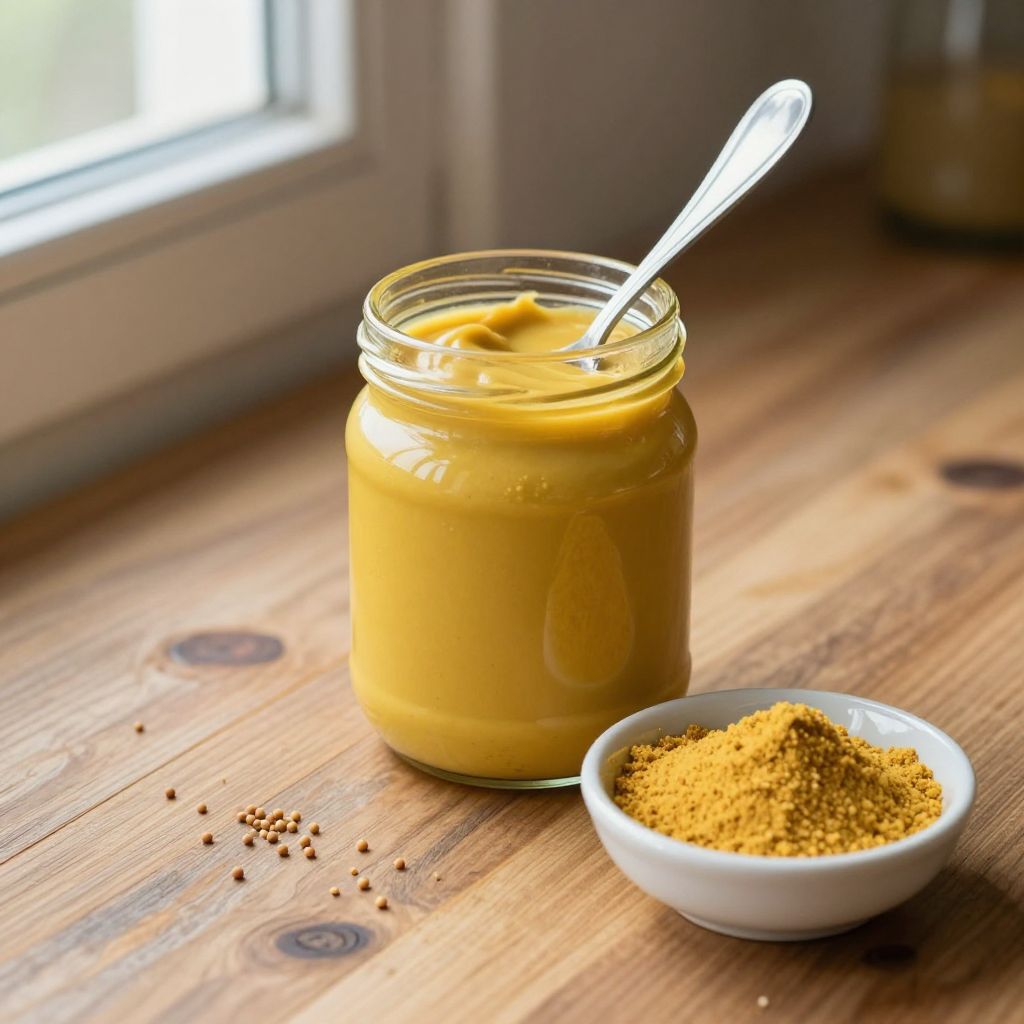
Mustard, a popular condiment, adds zing to sandwiches, burgers, and salads. However, a common question arises among home cooks: should mustard always be refrigerated? This article delves into the reasons why storing mustard in the refrigerator might not be the best option and explores the best practices for mustard storage.
Understanding the proper way to store mustard not only preserves its quality but also enhances your culinary experiences. Let’s dive into the science behind mustard’s components and learn the best ways to keep this tangy condiment at its best.
Why Should You Not Put Mustard In The Fridge?
Mustard does not need to be refrigerated because its ingredients, which include vinegar, mustard seeds, and spices, create a naturally acidic environment that inhibits the growth of harmful bacteria. Storing mustard at room temperature can enhance its flavor and texture, especially if it is freshly opened or homemade.
Mustard: An Overview
Mustard comes in various forms and flavors, from yellow mustard to dijon, whole grain, and spicy brown. Each type has its distinct taste, making it a versatile ingredient in numerous dishes.
The Components of Mustard
Mustard primarily consists of:
- Mustard Seeds: The seeds used can vary and include yellow, brown, and black varieties, each offering different flavor profiles.
- Vinegar: This ingredient gives mustard its acidity, helping to preserve it.
- Spices: Various spices like turmeric, garlic, and paprika can be added to modify the flavor.
Acidity and Preservation
The key to mustard’s long shelf life lies in its acidity. The vinegar not only boosts the flavor but also assists in preventing spoilage. This is significant as many other condiments, such as mayonnaise, require refrigeration due to their lower acidity.
Proper Storage of Mustard
When it comes to mustard storage, there are several factors to consider:
Unopened Mustard
If your mustard is still sealed, it can safely be stored in a cool, dark place, such as a pantry or cabinet. Keep it away from direct sunlight and heat sources to maintain its flavor and quality.
Opened Mustard
Once opened, mustard can remain in the pantry if you use it frequently. Keeping it out not only preserves its texture but also allows the flavors to evolve over time. Here are some additional tips:
- Keep the lid tightly sealed: This prevents contamination and loss of flavor.
- Avoid warm environments: Excessive heat can affect flavor and quality.
- Use clean utensils: Always use a clean spoon when scooping mustard to prevent bacterial growth.
When to Refrigerate Mustard
While many mustard varieties do not require refrigeration, you might choose to refrigerate them in certain situations:
- If you live in a particularly warm climate.
- If you have homemade mustard, which may not contain preservatives.
- If you’ve added other ingredients that could spoil, such as fruit or dairy, you should refrigerate it.
Effects of Refrigeration on Mustard
Refrigerating mustard can lead to various undesirable changes in texture and flavor. Here’s what can happen:
Flavor Changes
Chilling mustard can dull its flavor and complexity. This is due to the cooling effect on flavor compounds, which may make the mustard taste flat and less vibrant.
Texture Issues
Mustard can become thicker or develop a grainy texture when stored in the refrigerator. This is particularly true for whole grain mustards, as the cold may affect the consistency of the mustard seeds.
Separation
Some types of mustard may separate when chilled, making it necessary to stir or shake before using. This can be inconvenient if you need mustard on the go.
Other Common Mustard Misconceptions
As with many culinary staples, misconceptions about mustard often lead to improper storage practices. Let’s clear up a few common myths:
Mustard Goes Bad Quickly
Many people believe mustard can spoil quickly; however, due to its acidic nature and preservatives, it can last for a long time if stored properly. In fact, opened mustard can maintain its best quality for up to a year when left out.
All Types of Mustard Require Refrigeration
While some types of condiments such as mayonnaise or ketchup require refrigeration, mustard is different. Mustard’s specific composition allows it to thrive outside the fridge, provided it’s used within a reasonable time frame.
How to Tell If Mustard Has Spoiled
Even though mustard can last a long time, it’s important to keep an eye on its quality. Here are signs that mustard may have gone bad:
Unpleasant Odor
If the mustard has developed a strong sour or off-smell that differs from its usual aroma, it may be time to discard it.
Change in Color or Texture
If you notice a separation of liquids, a significantly altered color, or an unusual texture, these may be signs of spoilage.
Growth of Mold
Any visible mold or unusual growth in or on the mustard is a clear indication that it should be thrown away.
Mustard Recipes and Uses
Mustard’s unique flavor profile means it works in various recipes, enhancing dishes from dressings to marinades. Here are some popular ways to incorporate mustard into your cooking:
Salad Dressings
Mustard is a key ingredient in many vinaigrettes. Its tanginess complements the acidity of vinegar, creating a perfect balance.
Marinades
Using mustard in marinades adds depth. Combine it with olive oil, herbs, and spices for a fantastic flavoring for meats and vegetables.
Condiment Pairings
Mustard works wonderfully with various ingredients like honey, mayonnaise, or hot sauce, creating delicious spreads for sandwiches and burgers.
Mustard in Cooking
Incorporate mustard into sauces, stews, and even baked dishes for an added punch of flavor. Its versatility enhances many culinary applications.
Practical Tips for Mustard Use in Your Kitchen
To make the most out of your mustard, consider these practical tips:
Choose High-Quality Mustard
Opt for organic or artisanal mustard brands that often have richer, more complex flavors than mass-produced options.
Experiment with Flavors
Don’t hesitate to try different types of mustard in your recipes. Whole grain mustard, for example, adds texture, while dijon is perfect for creamy dressings.
Store in Small Containers
If you frequently reach for mustard, consider investing in smaller bottles to ensure freshness and less waste when purchasing specialty mustards.
Conclusion
Storing mustard at room temperature can enhance its flavor and preserve its quality due to the acidity of its ingredients. While refrigeration is not necessary, ensure that you consider your specific mustard type and usage frequency. With its ability to elevate flavors in various dishes, mustard will continue to be a beloved condiment.
For more insights into food storage and ingredients, check out our guides on refrigerating cholula sauce and ghee storage practices. Explore your culinary landscape with confidence!