
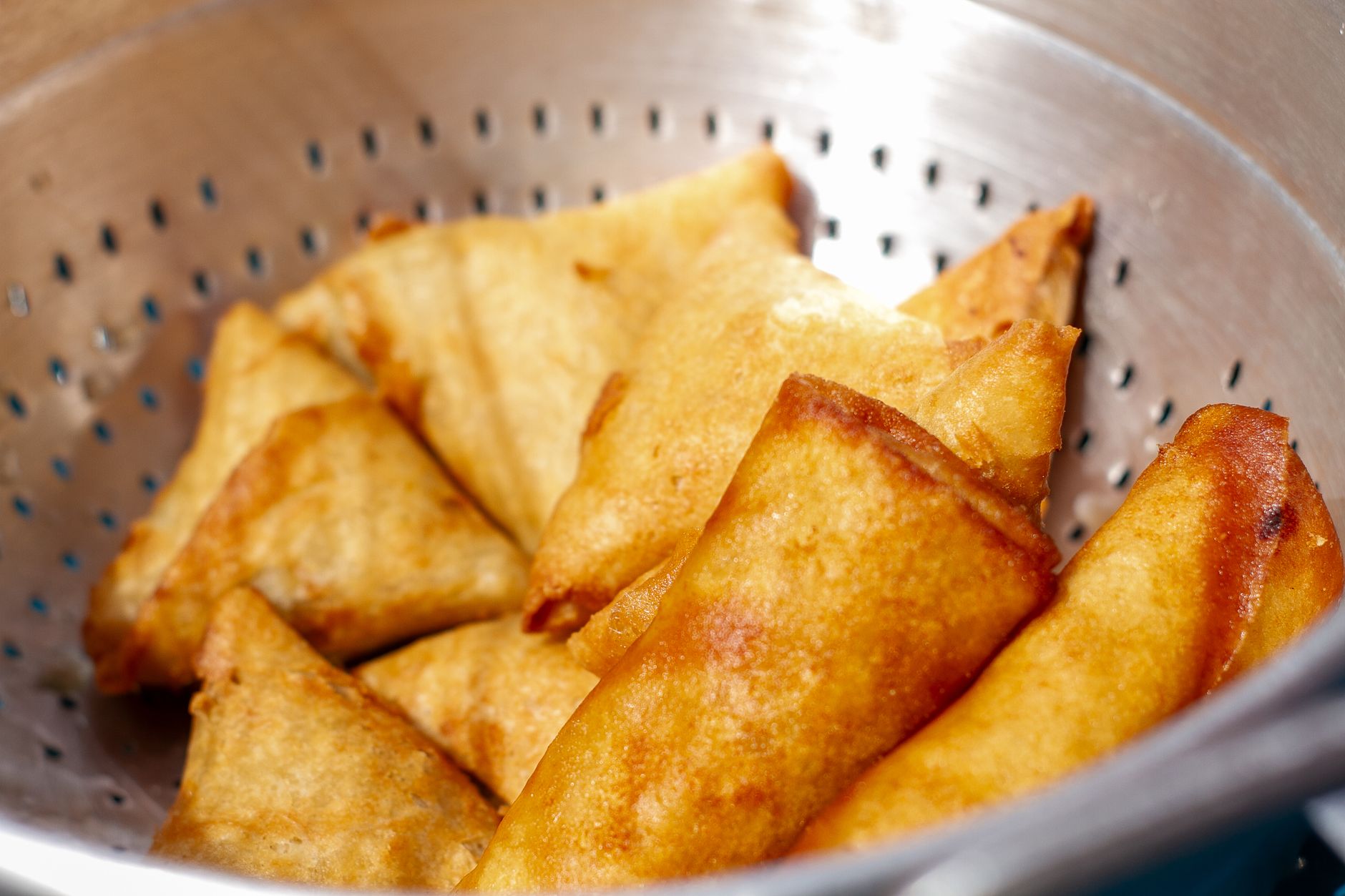
Samosas are a popular snack originating from South Asia, characterized by their crispy, golden-brown exterior and savory fillings. Traditionally enjoyed at gatherings, celebrations, or as a street food option, these delectable pastries are often filled with spiced potatoes, peas, or meat. As interest in dietary preferences rises, many wonder: Are samosas gluten-free?
In this article, we will explore the key ingredients of samosas, the potential for cross-contact with gluten, and tips for identifying gluten-free options. Whether you are gluten-sensitive, have celiac disease, or simply prefer gluten-free foods, understanding how samosas fit into your diet is essential.
Is Samosa Gluten Free?
Traditional samosas are not gluten-free as they are made with wheat flour for the dough. However, with the rise of gluten-free diets, many recipes and commercial options are available that substitute gluten-free flour. Always check labels when purchasing pre-made samosas, as cross-contact with gluten can occur during production.
Key Ingredients in Traditional Samosas
To understand whether samosas are gluten-free, we must examine their ingredients. Traditional samosas generally consist of two main components: the dough and the filling.
The Dough
- Wheat Flour: The primary ingredient in traditional samosa dough, wheat flour contains gluten, which provides structure and chewiness.
- Water: Used to bring the flour together to form a smooth dough.
- Oil: Added for richness and to give the pastry a flaky texture.
- Salt: For flavor enhancement.
The Filling
Samosa fillings can vary widely, but common ingredients include:
- Potatoes: Often mashed and spiced, potatoes offer a hearty base.
- Peas: Add a pop of color and sweetness.
- Spices: Common spices include cumin, coriander, garam masala, turmeric, and chili for warmth and complexity.
- Meat: Some samosas include ground meat like lamb or chicken, mixed with spices and sometimes potatoes.
Gluten-Free Alternatives for Samosa Dough
Fortunately, there are many gluten-free alternatives available for making samosa dough. Below are some common substitutes:
Gluten-Free Flour Blends
- Rice Flour: Provides a delicate texture; often used in Asian cuisines.
- Chickpea Flour (Besan): Offers protein and a nutty flavor, ideal for savory dishes.
- Almond Flour: Adds richness but may require additional binding agents due to lower gluten content.
- Gluten-Free All-Purpose Flour: These blends contain a mix of flours and starches designed to mimic the properties of wheat flour.
Homemade Gluten-Free Samosa Dough Recipe
To create your own gluten-free samosa dough at home, follow this simple recipe:
- Ingredients:
- 1 cup gluten-free all-purpose flour
- 2 tablespoons oil (coconut, olive, or vegetable)
- 1/4 teaspoon salt
- Water, as needed (about 1/4 cup)
- In a mixing bowl, combine the gluten-free flour and salt.
- Drizzle in the oil and mix until crumbly.
- Gradually add water, mixing until a smooth dough forms. It should be soft but not sticky.
- Wrap the dough in plastic wrap and let it rest for at least 30 minutes to allow hydration.
Cross-Contact Concerns
Even if you prepare samosas using gluten-free ingredients, cross-contact with gluten can happen. Additionally, many establishments that serve samosas may share cooking equipment. Here are a few tips to ensure safety:
Tips to Avoid Gluten Cross-Contact
- Check Labels: Always read ingredient labels to verify that products are gluten-free certified.
- Ask Questions: When dining out, inquire about preparation practices to ensure no cross-contact has occurred.
- Separate Cooking Tools: Use separate utensils and cookware if making gluten-free samosas at home.
- Clean Surfaces: Thoroughly clean all surfaces, including countertops and frying equipment, before cooking gluten-free dishes.
Finding Gluten-Free Samosas in Stores and Restaurants
With the growing demand for gluten-free options, many grocery stores and restaurants now offer gluten-free samosas. Here’s how to find them:
Store-Bought Options
When shopping for gluten-free samosas, look for:
- Gluten-Free Labels: Ensure that the packaging explicitly states “gluten-free.”
- Health Food Stores: Natural foods retailers often carry gluten-free frozen options.
- Ethnic Grocery Stores: Many Asian and Indian markets sell gluten-free samosas, especially during festivals.
Dining Out
To enjoy samosas at a restaurant, consider the following:
- Specialty Restaurants: Seek out Indian or Pakistani restaurants that offer gluten-free menu options.
- Online Menus: Review restaurant websites to check for gluten-free offerings.
- Communicate Clearly: Specify your gluten intolerance or celiac disease to ensure staff understands the need for strict food preparation precautions.
Common Mistakes When Preparing Gluten-Free Samosas
While preparing gluten-free samosas, several challenges may arise. Understanding these can help avoid potential issues:
Incorrect Flour Ratios
Gluten-free flour blends can behave differently than wheat flour. Be sure to follow recipes closely or adjust liquid ratios for desired dough consistency.
Overworking the Dough
Excessive kneading can lead to tough texture. Mix until just combined for a light, flaky result.
Under-Filling with Ingredients
Be generous with your fillings. Under-filling can lead to poorly shaped samosas that don’t hold during frying.
Temperature Control
When frying, maintain the oil temperature. Frying at too low of a temperature can result in greasy samosas, while very high temperatures may burn the exterior before cooking the interior.
Serving Suggestions for Samosas
Samosas can be served in various ways, enhancing their appeal and flavor:
Accompaniments
- Chutneys: Sweet and spicy chutneys, such as mango or tamarind, complement the savory filling.
- Yogurt Sauce: A cool mint or raita sauce can provide a refreshing contrast to the spices.
- Salads: Serve with a side salad to add freshness to the meal.
Meal Pairings
Samosas can be enjoyed as a standalone snack, appetizer, or part of a larger meal. Consider combining them with:
- Pulao or Biryani: Flavored rice dishes can create a satisfying meal.
- Curries: Pair samosas with your favorite curries or dals for a hearty feast.
Make-Ahead and Storage Tips
Preparing samosas in advance can simplify meal planning. You can either prepare them fully or just make the dough and filling:
Make-Ahead Tips
- Prepare Filling: The filling can be made a day ahead and stored in the refrigerator.
- Freeze Uncooked Samosas: After shaping, freeze samosas on a baking tray before transferring them to a sealed container. This allows you to fry them directly from frozen.
Storage Guidelines
Store cooked samosas in an airtight container at room temperature for up to 2 days. To maintain crispiness, reheat in an oven or air fryer, avoiding the microwave, which can make them soggy.
Conclusion
Samosas are a delightful treat that can be adapted for gluten-free diets using alternative flours and cooking practices. Understanding the ingredients and potential cross-contact issues allows you to enjoy these pastries safely. Whether making them at home or searching for gluten-free options at a restaurant, careful planning will ensure you can savor the deliciousness of samosas without the gluten. Start exploring your gluten-free alternatives today!
For more related recipes and cooking tips, check out our samosa chaat recipe or learn how to prepare gluten-free gnocchi.