
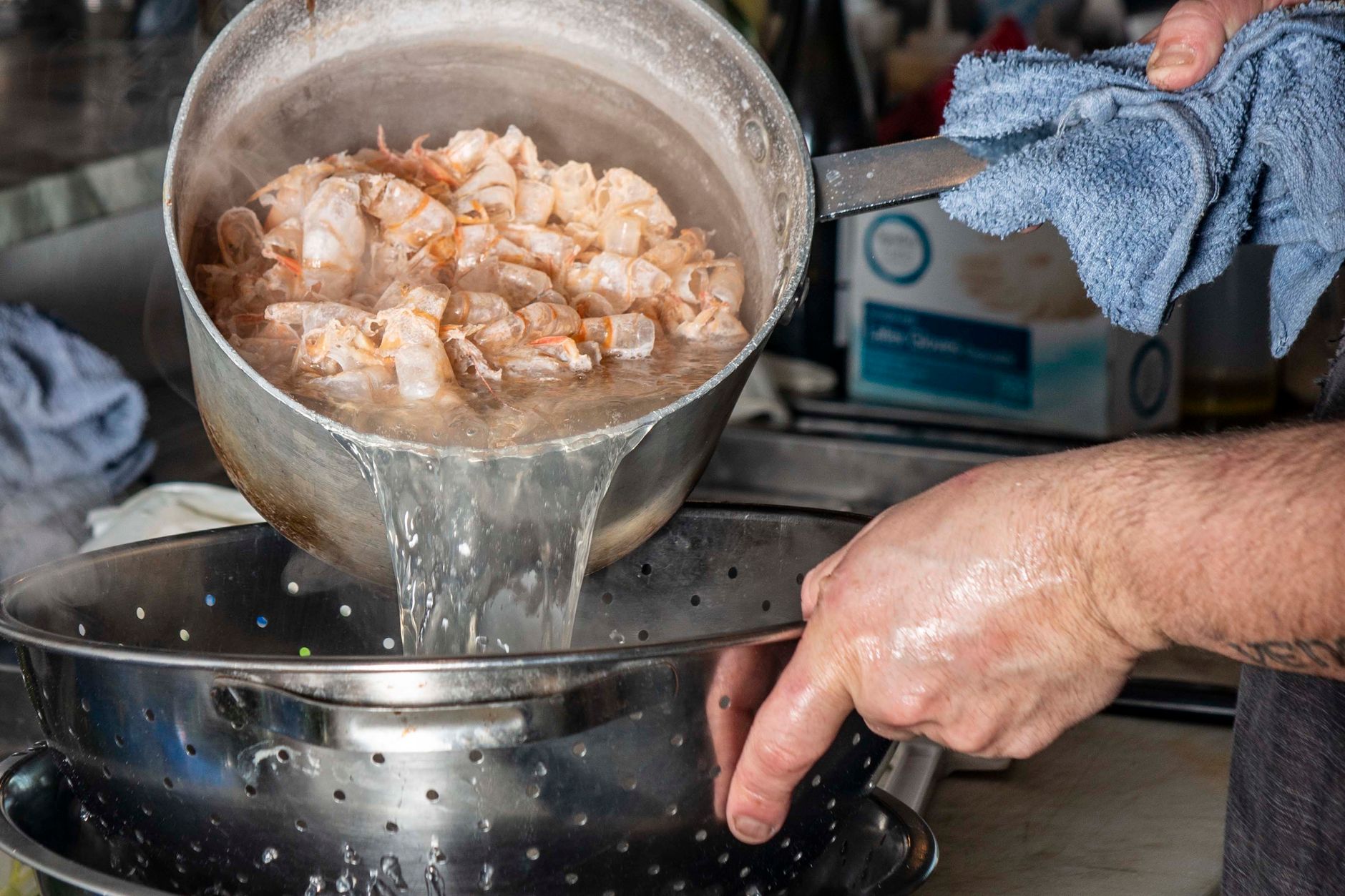
Boiling raw shrimp is a quick and effective cooking technique that enhances the natural sweetness and delicate texture of this seafood. Whether you’re preparing shrimp for a salad, pasta dish, or hearty seafood boil, understanding the right boiling time is essential for achieving perfectly cooked shrimp.
This guide will explore how long to boil raw shrimp, including tips for determining doneness, common mistakes to avoid, and methods for infusing flavor. Let’s dive into the details so you can serve up deliciously tender shrimp every time.
How Long Do You Boil Raw Shrimp?
The general rule for boiling raw shrimp is to cook them for 2 to 3 minutes, depending on their size. Larger shrimp, such as 21 to 25 count or jumbo varieties, may take up to 4 minutes. The key is to remove them from the heat as soon as they turn pink and start curling to prevent overcooking.
Having a thermometer can help, aiming for an internal temperature of 120°F (49°C) ensures optimal doneness. Once you know these time frames, you can enjoy shrimp cooked just right for any dish.
Choosing Fresh vs. Frozen Shrimp
Before boiling, selecting the right shrimp can make a significant difference in the final dish. Fresh shrimp are often ideal for boiling, but frozen shrimp can be just as suitable if handled properly.
Fresh Shrimp
- Should have a slightly salty, briny smell, reminiscent of the ocean.
- Look for a firm texture and a shiny, moist appearance.
- Avoid shrimp that appear gray or have black spots on the shell.
Frozen Shrimp
- Should be properly sealed to avoid freezer burn.
- Select shrimp that have been individually quick-frozen (IQF) for the best results.
- Thaw frozen shrimp under cold running water for about 10 to 15 minutes before boiling.
Preparing Raw Shrimp for Boiling
Preparing shrimp for boiling involves some initial steps to ensure the best flavor and texture. Here’s how to do it:
- Thaw frozen shrimp completely, if applicable. This can be done overnight in the refrigerator or quickly under cold running water.
- Peel the shrimp if desired. Leaving the shells on can enhance flavor but peeling allows for easier eating.
- Devein the shrimp by making a shallow cut down the back and removing the dark intestinal tract with the tip of your knife.
- Rinse shrimp under cold water to clean.
Boiling Raw Shrimp: Step-by-Step Instructions
Once your shrimp are prepped, it’s time to boil them. Here’s a simple method to achieve perfectly cooked shrimp:
- Fill a large pot with water, about 3/4 full, to allow enough space for the shrimp to cook evenly.
- Add salt to the water. A good ratio is about 1 tablespoon of salt per quart of water. You can also add spices like Old Bay seasoning, garlic cloves, or lemon to infuse additional flavor.
- Bring the water to a rolling boil over high heat.
- Once the water is boiling, carefully add the prepared shrimp. Be cautious to avoid splashing hot water.
- When the shrimp begin to turn opaque and curl slightly (after about 2 to 3 minutes), test one by cutting it in half to check if it’s no longer translucent.
- Once cooked, quickly transfer the shrimp to a bowl of ice water using a slotted spoon or drain in a colander to stop the cooking process.
- Let the shrimp cool for a few minutes before serving, or toss them with your desired marinade or dressing.
Detecting Doneness
Visual cues are essential in determining if shrimp are done. Properly cooked shrimp will:
- Appear pink and opaque, rather than gray or translucent.
- Have a firm, curled shape, without being tight (overcooked).
- Release a mild ocean aroma, rather than a strong fishy smell.
It’s also worth noting that shrimp will continue to cook slightly after being removed from heat, which is known as carryover cooking. This is why immediate transfer to ice water is beneficial.
Common Mistakes to Avoid When Boiling Shrimp
Cooking shrimp is relatively quick, but some mistakes can lead to less-than-ideal results. Here are common pitfalls to watch out for:
- Overcooking: Shrimp can quickly turn tough and rubbery. Stick to the recommended cooking times and check doneness early if unsure.
- Ignoring Water Salinity: Proper salting enhances flavor; don’t skip it. Unsalted shrimp may taste bland.
- Not Using Ice Water: Skipping the shock in ice water can result in continued cooking and overdone shrimp.
Flavoring the Water: Infusion Techniques
Add layers of flavor to your boiled shrimp by enhancing the water. Here are several methods:
- Herbs and Spices: Toss in a few sprigs of fresh herbs like dill or parsley. Spices like black peppercorns can also add subtle flavors.
- Citrus Fruits: Add halved lemons or limes for a brightness that complements the shrimp’s natural sweetness.
- Broth: Use seafood or vegetable broth instead of water for a richer flavor.
Serving Ideas for Boiled Shrimp
Boiled shrimp can be the centerpiece of many delicious dishes. Here are some ideas for serving:
- On a Salad: Toss boiled shrimp with mixed greens, avocado, and a light vinaigrette for a refreshing salad.
- In Pasta: Combine shrimp with garlic, olive oil, and your favorite pasta for a satisfying meal.
- As a Snack: Serve shrimp with cocktail sauce or a spicy aioli for a delightful appetizer.
Leftover Storage and Reheating
If you have leftover boiled shrimp, proper storage and reheating are essential to maintain quality:
- Store boiled shrimp in an airtight container in the refrigerator. They will typically last for 3 to 4 days.
- Reheat gently in a skillet over low heat or in the microwave for no more than 30 seconds at a time. Avoid boiling again to prevent overcooking.
Variations on the Boiling Method
While boiling is a core technique, experimenting with variations can yield exciting results:
Steaming
Steaming shrimp can preserve moisture and flavor. Use a steaming basket over boiling water for about 4 to 6 minutes.
Grilling After Boiling
For added smoky flavor, briefly boil shrimp and then finish grilling them for a few minutes until slightly charred.
Conclusion
The perfect boiled shrimp is achievable with just a small amount of knowledge and practice. By knowing when to take the shrimp off the heat and recognizing signs of doneness, you can elevate your cooking. Now that you have the details on how long to boil raw shrimp, gather your ingredients and implement the techniques learned here for a delightful meal.
For additional inspiration, check out our shrimp sauce recipe and learn how to make shrimp scampi without wine for a delicious dinner option.