
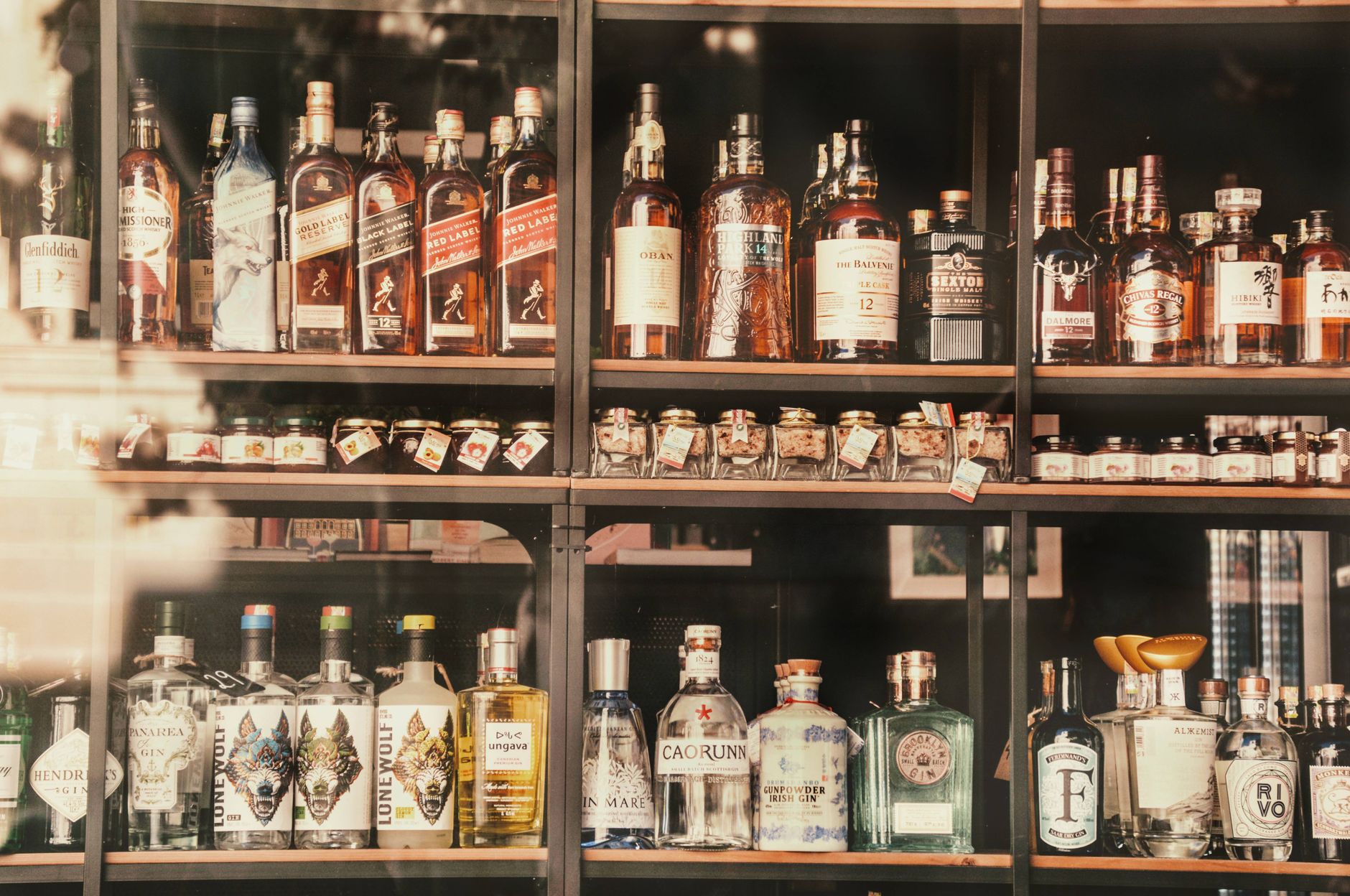
Understanding when liquor stores stop selling alcohol is essential for planning gatherings, parties, or simply stocking up for the weekend. Each state in the U.S. has its own regulations regarding the sale of alcohol, and these can vary widely. Knowing the hours can help you avoid the frustration of arriving at a closed store or missing out on essential beverages for your celebration.
In this guide, we will delve into the various factors that influence liquor store hours, including state laws, local regulations, and cultural customs. We will also explore practical tips to ensure you’re never caught short-handed when it comes to purchasing your favorite drinks.
When Do Liquor Stores Stop Selling Alcohol?
Liquor store hours depend significantly on state regulations, local ordinances, and even the type of alcohol being sold. Most states have established specific days and times when alcohol can be purchased, and many will impose restrictions that affect both weekdays and weekends. The hours generally tend to end between 9 PM and midnight, but knowing your local rules is crucial.
State Regulations and Their Impact on Liquor Store Hours
Alcohol sales in the U.S. are governed primarily by state law. While federal laws provide a framework, each state has the authority to set its own specific regulations. This means that the hours during which liquor stores can sell alcohol can vary significantly from one state to another. Here’s a general overview of how different states regulate liquor store hours:
General Trends in Alcohol Sale Hours
- Many states allow alcohol sales from 9 AM or 10 AM until 9 PM or 10 PM, especially during weekdays.
- Weekend hours are often extended, particularly in states with a more liberal approach to alcohol sales, allowing open hours until midnight.
- Some states restrict alcohol sales entirely on certain holidays like Thanksgiving or Christmas.
Examples of State-Specific Regulations
Here are a few examples to illustrate the differences:
- California: Liquor stores may sell alcohol from 6 AM to 2 AM every day.
- Texas: Stores can sell beer and wine from 7 AM to midnight; however, hard liquor sale hours vary significantly and are typically more restricted.
- Washington: Liquor stores can sell alcohol from 6 AM to 11 PM, although there are some exceptions for special events or holiday closures.
- New York: Sales generally occur from 8 AM to midnight from Monday through Saturday, but Sunday sales begin later, at noon.
Local Ordinances and Store-Specific Hours
In addition to state laws, local municipalities may impose their own regulations on liquor sales. These ordinances may limit hours further or dictate specific days when sales are banned. For instance, some cities might prohibit Sunday sales, leading to a different landscape compared to nearby areas.
Store-Specific Hours
Beyond state and local regulations, individual liquor stores may also choose their operating hours. While some select to open during the earliest allowed times to cater to morning customers, others might have limited hours, especially in less populated or lower-demand areas. Shoppers should always check store hours before planning a visit.
Types of Alcohol and Licensing Differences
The type of alcohol being sold also influences the hours and conditions under which it is sold. Stores that specialize in selling beer and wine may have different regulations compared to those selling liquor. In some states, grocery stores can sell wine and beer but must adhere to different rules when selling hard liquor.
Understanding Licenses
- Package Store License: Typically allows the sale of all types of liquor.
- Beer and Wine License: Allows the sale of beer and wine only; may have less restrictive hours.
- On-Premises License: Lets establishments like bars and restaurants serve alcohol for consuming on the premises; hours are primarily determined by local regulations.
Common Scenarios and Challenges
When planning to purchase alcohol, various scenarios can complicate matters. Events, holidays, or late-night cravings often require special attention to store hours.
Impact of Holidays on Liquor Store Hours
Many liquor stores are closed or have reduced hours during holidays, especially religious observances. Some common holidays affecting hours include:
- Thanksgiving
- Christmas
- New Year’s Day
- Independence Day
It’s wise to check with local stores ahead of time during these periods to avoid disappointment.
Late-Night Shopping
For those who find themselves wanting to buy alcohol late at night, consider that while some states allow liquor sales until 2 AM, many stores may close earlier due to labor costs or local preferences. Always check in advance if you plan to purchase late.
Tips for Success in Planning Your Liquor Purchases
To make the most of your alcohol purchasing experience, consider the following practical tips:
Plan Ahead
Consider holiday gatherings or events and plan your alcohol purchases ahead of time. Knowing your preferred brands and how much you will need can help you avoid last-minute rushes.
Set Reminders
If you find yourself more often than not scrambling to buy drinks before a party, consider setting reminders in your calendar on when to purchase your alcohol, particularly leading up to weekends or holidays.
Research Local Laws and Store Hours
Before heading out for purchases, take the time to research your state and local laws regarding alcohol sales. Knowing the hours in your area can prevent frustration.
Exploring Alternatives to the Traditional Liquor Store
In recent years, online alcohol sales have gained popularity. Some states allow for the delivery of alcohol, opening more options for consumers.
Understanding Online Purchases
Ordering alcohol online, where permitted, can provide more extensive options and flexibility regarding product selection and delivery times. Brands may have unique offers, but remember to check state-specific laws regarding online alcohol sales.
Final Thoughts on Buying Alcohol
Knowing when liquor stores stop selling alcohol is crucial for anyone looking to buy their favorite beverages. Factors including state laws, local regulations, holidays, and store-specific hours all play a role in determining availability. By planning ahead and understanding these dynamics, you will be well-prepared for your next celebration.
Next time you decide to host a get-together or simply want to stock up, remember these guidelines to ensure your liquor purchasing experience goes smoothly and without a hitch. Also, consider a refreshing drink like a Gold Rush cocktail or a Mezcal Margarita to add a unique twist to your gatherings!
If you’re interested in more drink recipes and guides, check out our Gold Rush Cocktail Recipe and Mezcal Margarita Recipe for inspiration!