
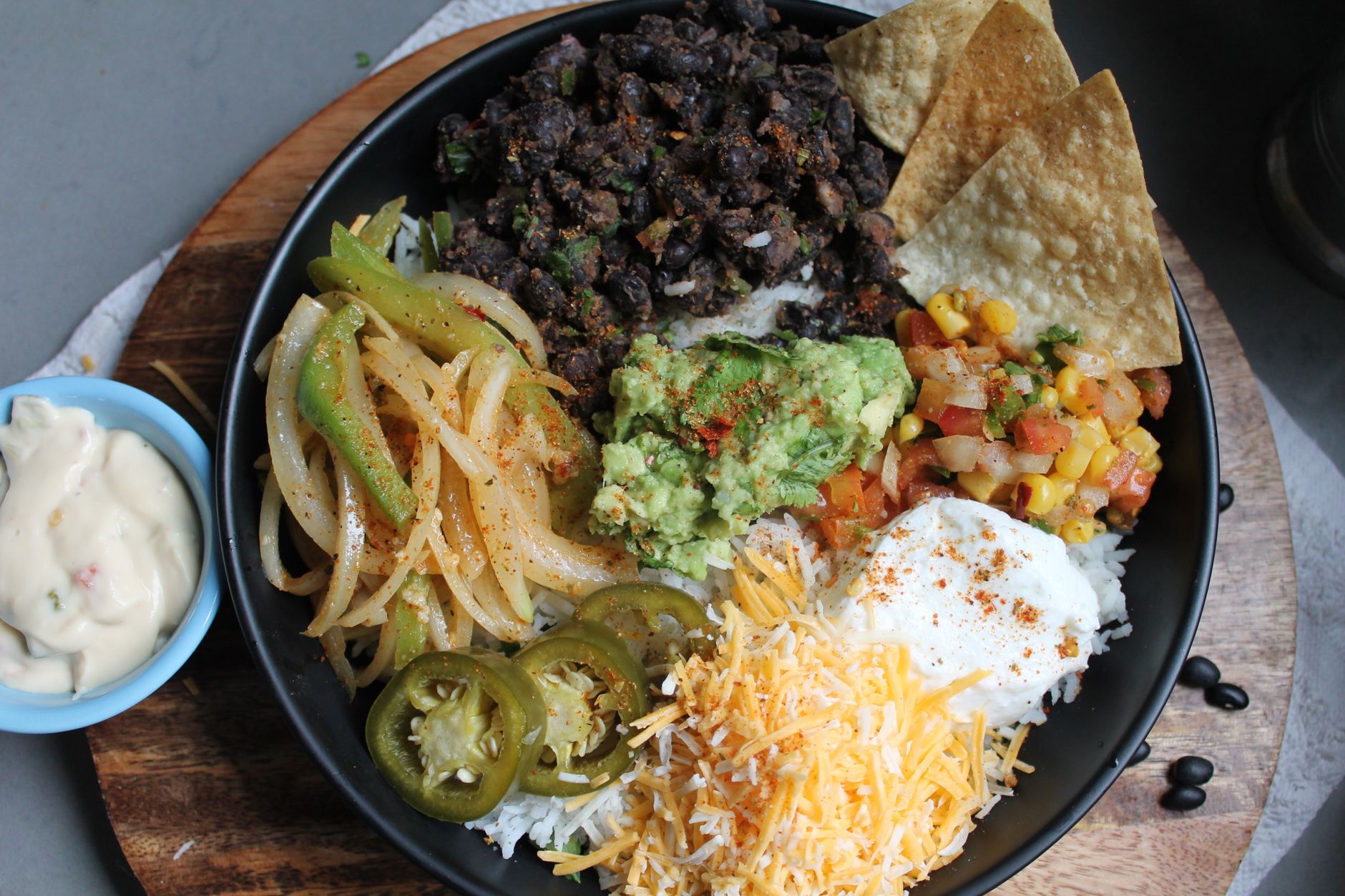
Mexican rice, often found alongside various traditional dishes, is a comforting and flavorful staple made with long-grain white rice, tomatoes, and spices. For those monitoring their carbohydrate intake, understanding the nutritional content of this dish is essential when including it in meal planning.
This article delves into how many carbohydrates are in Mexican rice, breaking down amounts based on serving sizes and exploring its ingredients and preparation methods. Whether you enjoy this dish at home or in a restaurant, this guide will help you make informed dietary choices.
How Many Carbs in Mexican Rice?
The amount of carbohydrates in Mexican rice can vary based on the recipe used and the serving size. However, a typical serving of Mexican rice, around one cup, contains approximately 45 to 55 grams of carbohydrates. This amount can change depending on the added ingredients, such as vegetables or proteins.
Understanding Mexican Rice
Mexican rice, known as “arroz rojo” in Spanish, is often characterized by its vibrant red-orange hue, which comes from the addition of tomatoes or tomato sauce. The dish is typically made with seasonings like garlic, onion, and various spices, resulting in a rich flavor profile that complements many Mexican entrees.
This dish not only serves as a side but can also hold its own as a base for a variety of toppings, making it a versatile addition to many meals.
Basic Ingredients of Mexican Rice
Understanding the ingredients in Mexican rice is essential for calculating the carbohydrate content accurately. Here’s a typical list of ingredients:
- 1 cup long-grain white rice
- 2 cups chicken or vegetable broth
- 1 medium tomato (or 1/2 cup tomato sauce)
- 1/2 onion, finely chopped
- 1-2 cloves garlic, minced
- 2 tablespoons vegetable oil
- 1 teaspoon chili powder (optional)
- Salt, to taste
Ingredients Breakdown
Each ingredient contributes to the overall carbohydrate count, particularly the rice and tomato products. Here’s a closer look:
- Long-Grain White Rice: The primary ingredient, one cup of cooked long-grain white rice generally contains about 45 grams of carbohydrates.
- Tomatoes: Fresh tomatoes provide minimal carbohydrates, with one medium tomato containing about 5 grams of carbs.
- Onion: Half an onion adds roughly 7 grams of carbohydrates.
- Garlic: A couple of minced garlic cloves contribute very few carbs, around 1-2 grams.
- Vegetable Oil: Oil does not contribute any carbohydrates.
- Broth: Depending on the type of broth used (chicken or vegetable), this may add a negligible amount of carbohydrates.
Making Mexican Rice: A Step-by-Step Guide
Preparing Mexican rice involves a few straightforward steps that are essential to achieving the right texture and flavor. The following method outlines how to make a standard version of Mexican rice:
- Start by rinsing the rice: Rinse 1 cup of long-grain white rice in cold water until the water runs clear. This helps remove excess starch, preventing the rice from becoming sticky.
- Sauté the aromatics: In a medium saucepan, heat 2 tablespoons of vegetable oil over medium heat, then add 1/2 finely chopped onion and 1-2 minced garlic cloves. Cook until they are soft and translucent.
- Add the rice: Add the rinsed rice to the saucepan, stirring to coat it in the oil and aromatics. Cook for 2-3 minutes until the rice turns slightly golden.
- Add the tomatoes: If using fresh, chop 1 medium tomato and add it to the saucepan. If using tomato sauce, pour in 1/2 cup. Stir well.
- Pour in the broth: Add 2 cups of chicken or vegetable broth, along with any spices, such as 1 teaspoon of chili powder. Season with salt to taste and stir again.
- Bring to a boil: Increase the heat and bring the mixture to a rolling boil.
- Simmer: Once boiling, reduce the heat to low, cover the pan, and let it simmer for about 15-20 minutes or until the rice absorbs all the liquid and is tender.
- Fluff and serve: After cooking, remove from heat and allow it to sit for 5 minutes. Fluff with a fork and serve as a side dish.
Variants and Substitutions
Mexican rice offers many opportunities for customization, whether for flavor or dietary preferences. Here are some common substitutions and variants:
- Brown Rice: For a healthier option, substitute white rice with brown rice. This will increase cooking time and carbohydrate content slightly, but it adds fiber and nutrients.
- Vegetable Add-Ins: Chopped bell peppers, peas, or corn can be added for flavor and nutrition. However, these additions may alter the total carbohydrate count.
- Reduced-Sodium Broth: Opt for low-sodium broth if you’re managing salt intake; this does not affect the carb count but is beneficial for health.
- Spices and Herbs: Consider adding cumin, paprika, or cilantro for enhanced flavor without significant additional carbs.
Common Mistakes to Avoid
When making Mexican rice, be aware of the following common mistakes to achieve the best results:
- Not rinsing the rice: Failing to rinse the rice can result in a gummy texture.
- Overcooking or undercooking: Precise timing is essential. Cooking rice too long can make it mushy, while not cooking it enough can leave it hard.
- Incorrect liquid ratios: Ensure you use the right amount of broth for the quantity of rice. A general rule is a 2:1 liquid-to-rice ratio.
How to Serve Mexican Rice
Mexican rice is incredibly versatile when it comes to serving suggestions. Here are a few ideas:
- As a Side Dish: Serve alongside popular Mexican dishes such as tacos, enchiladas, or grilled meats for a complete meal.
- Topped with Proteins: Add shredded chicken, beef, or beans to make the dish more substantial.
- Mixed with Vegetables: Combine the rice with sautéed vegetables for a colorful and nutritious bowl.
Storage and Reheating Tips
When preparing Mexican rice in advance, it’s essential to store it properly to maintain freshness:
- Storage: Allow the rice to cool completely before transferring it to an airtight container. Store in the refrigerator for up to four days.
- Freezing: For longer storage, you can freeze Mexican rice. Pack it in freezer bags, removing as much air as possible. It can last up to three months in the freezer.
- Reheating: To reheat, add a splash of water to the rice and warm it in the microwave or on the stovetop. Stir to ensure even heating.
Nutritional Considerations
For those watching their carbohydrate intake, it’s valuable to be mindful of Mexican rice’s nutritional components:
- Carbohydrates: As mentioned earlier, one cup of Mexican rice can contain around 45-55 grams of carbohydrates.
- Fiber Content: Opting for brown rice can significantly increase fiber content, aiding in digestion.
- Overall Health: While Mexican rice can fit into a balanced diet, it is best consumed in moderation, especially if you are tracking your carbohydrates for health reasons.
Conclusion
Mexican rice is a flavorful, adaptable dish that can enhance many meals. While it does contain a considerable amount of carbohydrates, understanding the nutritional facts enables you to enjoy it in moderation or as part of a balanced diet. Being aware of the factors influencing its carb count, such as ingredients and serving sizes, allows you to make informed choices.
For readers exploring related culinary topics, feel free to check out recipes for Puerto Rican rice or learn about the carbohydrate content in eggs.