
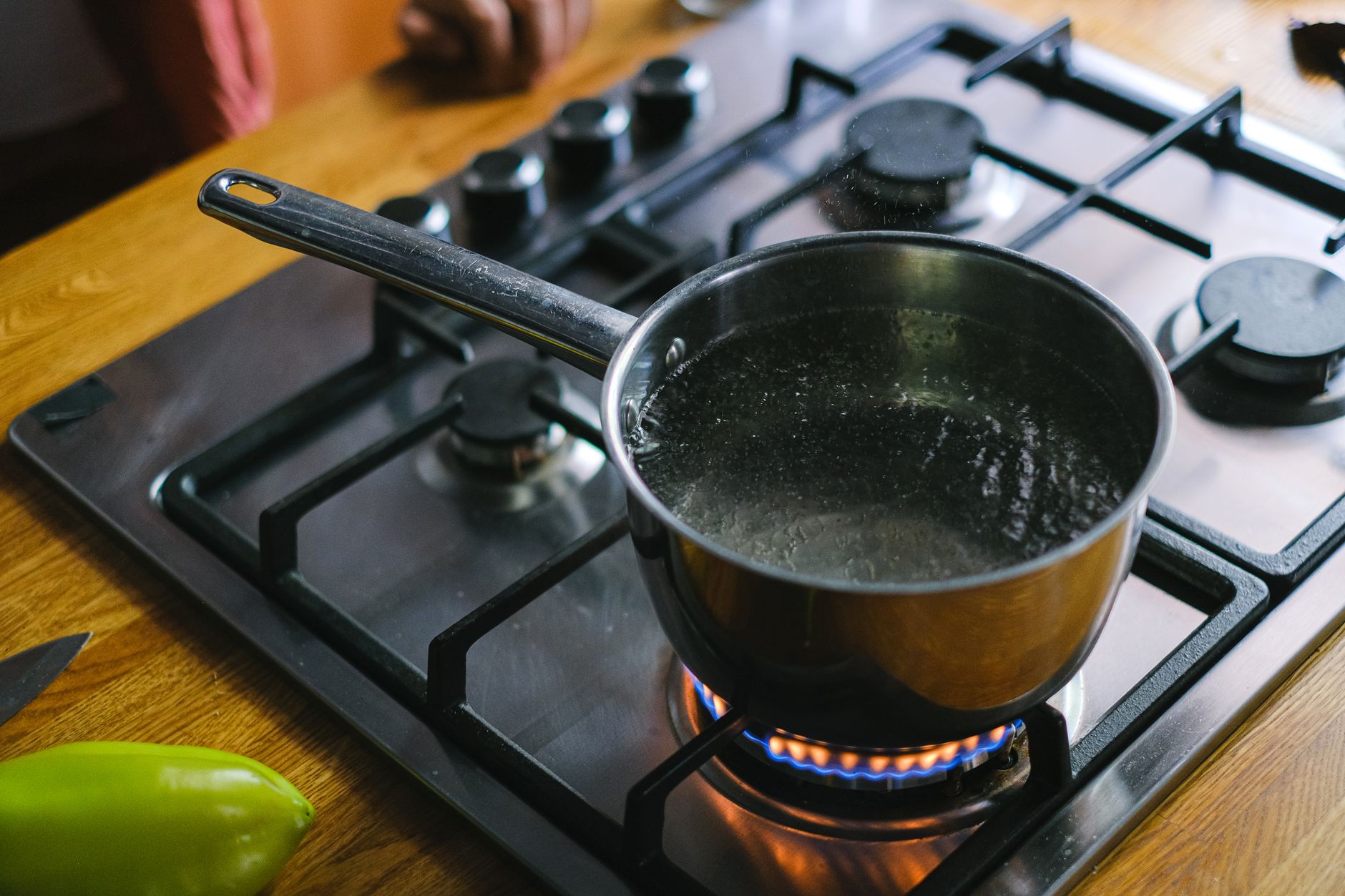
Water boiling is a fundamental cooking process that many of us rely on for various tasks, from cooking pasta to blanching vegetables. Understanding the boiling point of water, how to achieve it, and its implications in the kitchen is essential for both novice and experienced cooks.
At sea level, water boils at 100°C (212°F), but altitude and other variables can affect this temperature. This article delves into when water is boiling, practical uses, and helpful serving ideas.
When Is Water Boiling?
Water is considered boiling when it reaches a temperature of 100°C (212°F) at sea level. At this point, bubbles form and rise continuously to the surface, indicating an active boiling state. Factors like altitude and impurities can influence the exact boiling point.
Factors Affecting Boiling Point
The boiling point of water can vary based on several factors:
- Altitude: At higher elevations, atmospheric pressure is lower, which decreases the boiling point. For example, at 5,000 feet, water boils at about 95°C (203°F).
- Impurities: Adding salt or other substances can raise the boiling point, a phenomenon known as boiling point elevation.
- Heat Source: The type of heat source can influence the speed at which water reaches its boiling point. A gas stove may heat water faster than an electric stovetop.
Recognizing Boiling Water
There are distinct indicators to identify when water is boiling:
- Continuous Bubbles: The most apparent sign is the formation of bubbles that rise continuously to the surface of the water.
- Vapor Production: Boiling water produces visible steam. If you notice steam and vigorous bubbling, the water is at a boiling state.
- Sound: Boiling water often produces a sound. Hear a pronounced bubbling or rumbling; it’s likely boiling.
Practical Uses of Boiling Water
Boiling water serves several essential functions in cooking:
Cooking Pasta
Boiling is integral to cooking pasta, as it hydrates and softens the pasta while allowing it to absorb flavors. Cook pasta in a large pot with plenty of boiling salted water for optimal results.
Blanching Vegetables
Blanching involves boiling vegetables briefly to enhance color, texture, and flavor, followed by rapid cooling in ice water. This technique is commonly used to prepare vegetables for freezing.
Making Stocks and Broths
Boiling water is essential for extracting flavors from meat, bones, and vegetables. Layers of flavor develop when water is brought to a simmer and maintained over time.
Sanitation Purposes
Boiling water effectively kills bacteria, making it suitable for sanitizing kitchen utensils or preparing food safely in environments where water quality is questionable.
Baking and Cooking Applications
Boiling water is often critical in baking processes like creating a water bath for custards or cakes, where gentle heat aids in even cooking and prevents drying.
Cooking Techniques with Boiling Water
There are several cooking techniques that utilize boiling water, each bringing unique benefits:
Boiling
- Fill a pot with water, leaving enough space for bubbling.
- Place it on high heat until bubbles reach the surface.
- Add ingredients like pasta or vegetables once the water boils.
Simmering
Simmering involves cooking food gently in water (or flavored liquid) at just below boiling point (around 85-95°C or 185-203°F). It is crucial for dishes like soups and stews that benefit from gradual heat transfer.
Steaming
Steaming uses boiled water to cook food without direct contact, preserving nutrients and enhancing flavor. You can set a steamer basket over boiling water and cover it for even cooking.
Cooking Times for Different Foods in Boiling Water
Understanding the recommended cooking times for various foods boiled in water can help avoid overcooking:
Pasta
- Spaghetti: 8-10 minutes
- Macaroni: 6-8 minutes
Vegetables
- Green Beans: 4-5 minutes
- Carrots (sliced): 5-7 minutes
Eggs
- Soft Boiled: 4-6 minutes
- Hard Boiled: 9-12 minutes
Common Mistakes to Avoid When Boiling Water
A few common mistakes can hinder boiling results:
- Insufficient Water: Using too little water will not allow adequate boiling and can lead to uneven cooking.
- Wrong Pot Size: Using a small pot can trap heat and lead to quicker boiling, but can also result in large bubbling overflow.
- Adding Ingredients Too Early: Adding food before the water reaches a full boil can lead to undercooked results.
Serving Ideas Using Boiled Water Dishes
Once you’ve boiled food, consider these serving suggestions to elevate the experience:
Pasta Dishes
Toss cooked pasta with olive oil, herbs, and a sprinkle of parmesan for a simple meal. Incorporate vegetables, proteins, or sauces to create a more complex dish.
Vegetable Salads
Blanched and cooled vegetables make for vibrant salads. Combine them with nuts, seeds, or grains and a light vinaigrette for a refreshing side dish.
Egg Dishes
Soft or hard-boiled eggs can be served on toast or in salads. Add a sprinkle of salt and pepper or a drizzle of sriracha for flavor enhancement.
Make-Ahead Tips
Boiled dishes can be made ahead, saved in the refrigerator, and reheated later. For optimal freshness:
- Chill boiled food quickly before refrigeration to preserve texture.
- Store in airtight containers to prevent drying out.
- Reheat gently on the stove or in the microwave until heated through.
Storage and Reheating Guidance
Following proper storage techniques can prolong the life of boiled ingredients:
Storage
- Cooked and cooled pasta should be stored in an airtight container for up to 3-5 days.
- Blanched vegetables can last 3-5 days in the refrigerator, while boiled eggs can be safely stored for about one week.
Reheating
When reheating boiled foods, especially pasta and vegetables:
- Add a splash of water to the pan before reheating to prevent drying.
- Use medium heat and stir frequently to ensure even warming.
Conclusion
Understanding when water is boiling and how to utilize this cooking technique effectively opens up a world of culinary possibilities. From basic pasta recipes to advanced cooking techniques, boiling is a fundamental skill every home cook should master.
For even more helpful cooking insights, explore how long to boil asparagus or learn about the best practices for cooking tilapia.