
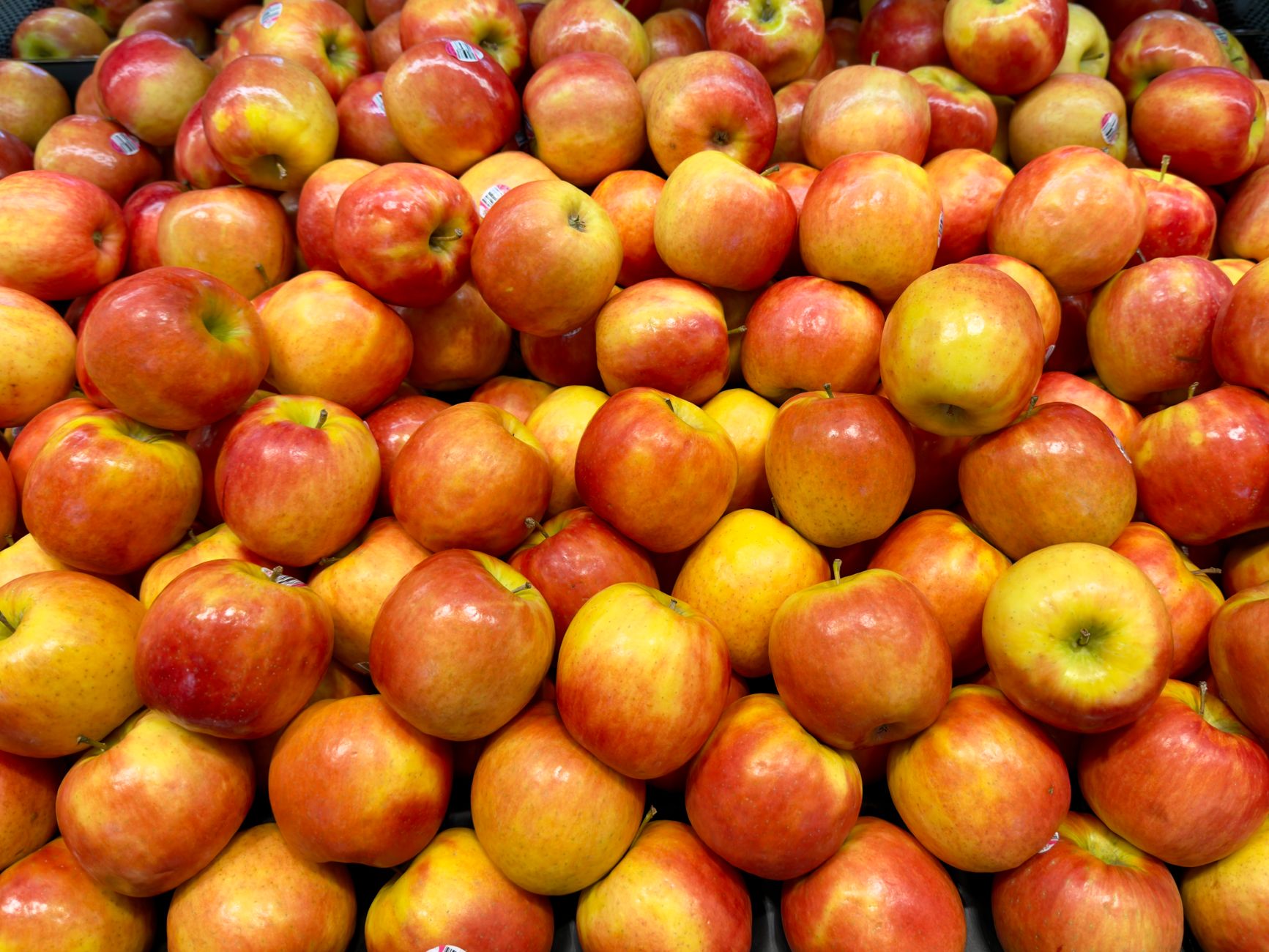
Apples are often celebrated for their health benefits and versatility in cooking and baking. However, many people may wonder if these delicious fruits can cause digestive issues like diarrhea. This article delves into the relationship between apples and diarrhea, examining factors such as fiber content, portion sizes, and individual digestive health.
Understanding how apples affect digestion not only helps in meal planning but also aids in making informed choices about incorporating them into your diet. By exploring fiber types, the role of fructose, and tips for enjoying apples, we aim to clarify the potential for apples to cause digestive discomfort.
Can Apples Cause Diarrhea?
Yes, apples can cause diarrhea in some individuals, primarily due to their high fiber content and natural sugars, such as fructose. When consumed in excessive amounts or by those with sensitive digestive systems, apples can lead to gastrointestinal distress. It’s essential to understand how fiber and portion sizes influence digestion.
Understanding Fiber in Apples
Apples are rich in dietary fiber, which can have both beneficial and adverse effects on digestion. There are two main types of fiber: soluble and insoluble fiber. Each type plays a unique role in digestive health.
Soluble Fiber
Soluble fiber dissolves in water, forming a gel-like substance in the digestive tract. This type of fiber can help slow digestion and regulate blood sugar levels. Apples contain pectin, a type of soluble fiber that may promote the growth of healthy gut bacteria, improving overall digestive health.
Insoluble Fiber
Insoluble fiber adds bulk to stool and aids in moving food through the digestive system. While beneficial for preventing constipation, excessive consumption of insoluble fiber can lead to digestive discomfort, including bloating and diarrhea, especially in sensitive individuals.
The Role of Portion Sizes
Portion sizes are crucial to consider when consuming apples. While they are packed with nutrients, eating them in large quantities can overwhelm the digestive system, particularly if a person is not accustomed to high-fiber foods. Here are some guidelines:
- A typical serving size is one medium apple, approximately 182 grams.
- Consuming more than two or three apples in a single sitting may lead to digestive upset, especially if your body isn’t used to high fiber intake.
- Pairing apples with other foods can help moderate their effects on your digestive system.
Fructose and Its Impact
Another component of apples that could lead to digestive issues is fructose, a natural sugar found in many fruits. Some individuals have difficulty absorbing fructose, leading to symptoms like gas, bloating, and diarrhea. The fructose content in apples can vary, but here’s what to consider:
- Apples contain fructose in varying amounts, depending on the type (e.g., red delicious vs. granny smith).
- Individuals with fructose malabsorption may need to limit their intake of apples and other high-fructose fruits.
Identifying Sensitivities
Each person’s digestive system can react differently to foods. Some people might enjoy apples without any issues, while others may experience discomfort. Recognizing your own digestive sensitivities is crucial. Here are a few tips:
- Keep a food diary to identify patterns related to apple consumption and digestive symptoms.
- Introduce apples gradually into your diet, especially if you are not used to eating fiber-rich foods.
- Be mindful of organic versus non-organic apples, as pesticides may also play a role in gastrointestinal distress for some individuals.
Cooking and Preparing Apples
Cooking apples can change their fiber content and potentially mitigate digestive issues. Here are several methods that can make apples gentler on the stomach:
- Baking: Baking apples softens their fiber and can make them easier to digest. Baked apples with a sprinkle of cinnamon make a delicious and comforting treat.
- Stewing: Stewed apples retain nutrients while being easier to digest. This method breaks down fiber and can reduce the risk of diarrhea.
- Making Applesauce: Homemade applesauce is another excellent option. It provides the sweetness of apples without the potential for fiber-related discomfort.
Common Recipes Featuring Apples
Incorporating apples into your diet doesn’t have to be intimidating. Here are some popular recipes that balance flavor and digestion:
Baked Apples
Baked apples filled with oats, nuts, and spices make a delightful dessert that is easy on the stomach. The cooking process softens the fiber, making it more manageable for digestion.
Applesauce Cake
This moist and flavorful cake uses applesauce as a key ingredient, which can help mitigate some of the digestive concerns associated with whole apples.
Apple-Cinnamon Oatmeal
Adding diced apples to your morning oatmeal combines the benefits of oats and cooked apples, providing a balanced breakfast that’s gentle on the digestive system.
Tips for Enjoying Apples Without Digestive Issues
To enjoy apples while minimizing the chances of experiencing diarrhea or other digestive discomforts, consider the following tips:
- Start with small portions and gradually increase your intake to allow your body to adjust.
- Combine apples with protein or fats, such as almond butter or cheese, to help balance their sugar content and aid digestion.
- Opt for peeled apples when necessary, as this can reduce fiber intake and make digestion easier.
Storing and Selecting Apples
Choosing the right apples and storing them properly can also influence their effects on digestion:
Selecting the Right Apples
Choose firm, fresh apples free from blemishes or soft spots. The type of apple can impact sweetness and fiber content; some sweeter varieties may cause more digestive issues than tart varieties.
Proper Storage
Store apples in a cool, dry place, or in the refrigerator to keep them fresh longer. Too much time at room temperature may lead to spoilage, resulting in digestive upset if consumed.
When to Avoid Apples
In some cases, it may be best to avoid apples altogether. If you have been diagnosed with conditions like irritable bowel syndrome (IBS) or fructose malabsorption, consult your healthcare provider about your apple intake. Symptoms of these conditions can be exacerbated by consuming high-fiber and high-fructose foods.
Recognizing Symptoms of Digestive Issues
Understanding the symptoms related to apple consumption can help you make informed dietary choices. Common symptoms of digestive distress include:
- Gas and bloating
- Stomach cramps
- Diarrhea
- Nausea
If you experience consistent digestive issues after eating apples, consider moderating your intake or adjusting how you consume them. Consulting with a healthcare provider or registered dietitian can provide personalized insights and recommendations.
Conclusion
Apples can indeed cause diarrhea for some people, primarily due to their fiber content and natural sugars. However, by understanding portion sizes, cooking methods, and individual digestive health, enjoying apples can remain a delightful experience. If you have concerns about how apples affect you, consider keeping a food diary or consulting a healthcare professional for customized advice.
Explore more delicious options by trying a moist applesauce cake or a comforting apple dump cake that balances flavor and digestion.