
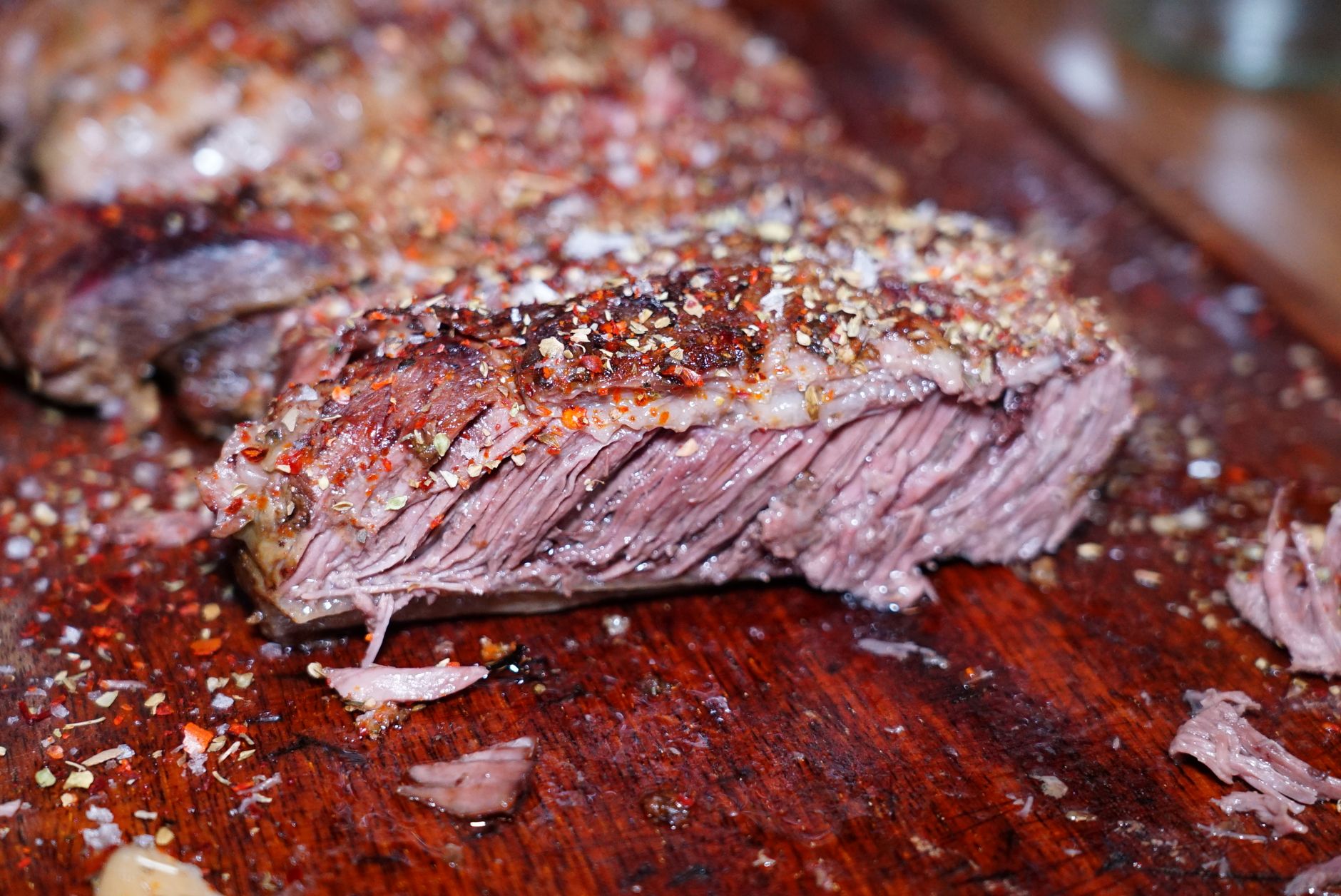
Blue steak, characterized by its very rare cooking level, is a topic of much debate among food enthusiasts. The preparation and consumption of blue steak raise questions about safety, flavor, and overall culinary experience. Understanding the implications of cooking meat at such low temperatures is essential for both the health-conscious and culinary-curious eater.
This article explores whether blue steak is safe to eat, delving into the science of meat cooking, its preparation techniques, and serving ideas for those interested in trying this unique dish.
Is Blue Steak Safe?
Blue steak is generally considered safe for consumption when proper food safety practices are followed. It is cooked at a minimal internal temperature of around 115°F (46°C), resulting in a very rare center. However, the safety largely depends on meat quality, handling, and cooking methods.
Understanding Blue Steak
Blue steak, also known as “bleu” steak in French cuisine, is a cut of meat that is seared briefly over high heat while retaining its raw interior. This style of cooking results in a tender, juicy steak with a soft, buttery texture that can be quite appealing to certain palates.
Flavor Profile
The flavor of blue steak tends to be more pronounced compared to well-done steaks due to less moisture loss during cooking. The meat retains a richness that can be complemented by seasoning, sauces, and toppings.
Cuts of Meat for Blue Steak
Many cuts of beef can be prepared as blue steak. Some of the most popular cuts include:
- Tenderloin
- Filet mignon
- Ribeye
- Striploin
Cooking Techniques for Blue Steak
Preparing blue steak requires some precision to achieve the desired doneness while ensuring food safety. Here are common methods:
High-Temperature Searing
To effectively create a blue steak, you want to sear the outside, achieving a caramelized crust while leaving the inside nearly raw. Follow these steps:
- Choose high-quality beef that has been properly handled and stored.
- Allow the meat to come to room temperature for about 30 minutes prior to cooking.
- Preheat a cast-iron skillet or grill over high heat until smoking.
- Pat the steak dry with paper towels to promote a good sear.
- Season generously with salt and pepper on both sides.
- Place the steak in the hot skillet without overcrowding, searing for about 1 to 2 minutes on each side.
- Use a meat thermometer to check the internal temperature, aiming for around 115°F (46°C) before removing from heat.
Using Sous Vide for Blue Steak
Sous vide cooking is another excellent method for safely preparing blue steak. This technique involves cooking the meat at a precise temperature in a water bath. Here’s how to do it:
- Season the steak with salt, pepper, and any other preferred spices.
- Seal the steak in a vacuum food bag.
- Heat water in a sous vide circulator to your desired temperature, typically around 120°F (49°C) for blue steak.
- Submerge the sealed steak in the water bath and cook for about 1-2 hours.
- After cooking, sear the outside quickly in a hot skillet to develop a crust.
Safety Considerations
Ensuring the safety of blue steak involves understanding meat handling and cooking practices. Here are key factors to consider:
Choosing Quality Meat
When creating blue steak, it’s imperative to choose high-quality, fresh meat. Opt for cuts from reputable sources with clear records of safe handling and storage. Ideally, purchase meat from a trusted butcher or organic farm.
Cross-Contamination Prevention
Maintaining sanitary conditions in the kitchen is crucial. Always use separate cutting boards and utensils for raw meat to avoid cross-contamination with ready-to-eat foods.
Using a Meat Thermometer
To gauge the internal temperature accurately, invest in a reliable meat thermometer. This tool is essential for ensuring that the steak reaches a safe level while achieving the desired doneness. For blue steak, remember that the target temperature lies around 115°F (46°C).
Storage and Handling
Store raw meat in a refrigerator at temperatures below 40°F (4°C). Consume or freeze it within a couple of days of purchase to maintain quality and reduce the risk of spoilage.
Common Mistakes When Cooking Blue Steak
Several pitfalls can arise when preparing blue steak. Recognizing these can help ensure a successful and safe dish.
Overcooking
One common mistake is cooking the steak for too long, leading to a loss of its distinctive blue character. Always monitor the internal temperature closely to avoid exceeding the desired level.
Improper Seasoning
Another misstep is neglecting seasoning. A generous amount of salt and pepper before cooking can enhance the steak’s flavor, while sauces can complement the dish once plated.
Lack of Resting Time
Failing to let the steak rest after cooking may allow juices to escape, resulting in a less flavorful steak. To ensure maximum tenderness and juiciness, cover the steak and let it rest for about 5 minutes before slicing.
Serving Ideas for Blue Steak
Blue steak can be a centerpiece of an elegant meal or a casual dish, depending on how it is presented. Here are some serving suggestions:
Pairing with Sides
When serving blue steak, consider complementary sides that balance its rich flavor:
- Garlic mashed potatoes
- Grilled asparagus with lemon
- Caesar salad
- Roasted vegetables
Garnishing and Sauces
Enhance the presentation and taste of your blue steak by adding garnishes or sauces:
- Chimichurri sauce for a fresh, herby contrast
- A red wine reduction for rich depth
- Horseradish cream for a zingy kick
- Caramelized shallots for sweetness
Creating a Steak Salad
Another creative way to serve blue steak is to slice it thinly over a bed of fresh greens. This can serve as a delightful salad topped with seasonal vegetables, nuts, and a light vinaigrette.
How to Make Blue Steak at Home: A Step-by-Step Guide
Recipe Overview
This simple guide will give you the essential steps to cook blue steak at home.
Servings: 2
Preparation Time: 15 minutes
Cooking Time: 5 minutes
Total Time: 20 minutes
Ingredients
- 2 high-quality steaks (ribeye, tenderloin, or filets) – about 1 inch thick
- Salt – to taste
- Pepper – to taste
- 1 tablespoon vegetable oil or clarified butter
Essential Cooking Equipment
- Cast-iron skillet or frying pan
- Meat thermometer
- Sharp knife for slicing
- Tongs for flipping the steak
Instructions
- Begin by preparing your steaks. Pat them dry with paper towels, then let them sit at room temperature for about 30 minutes.
- Season the meat generously with salt and pepper on both sides.
- Heat your skillet over high heat until it is smoking. Add the oil or clarified butter.
- Once the oil is shimmering, place the steak in the skillet. Sear for 1-2 minutes without moving it.
- Flip the steak using tongs and sear the other side for another 1-2 minutes.
- Insert a meat thermometer into the thickest part of the steak. Remove it from the heat when it reads 115°F (46°C).
- Transfer the steak to a plate, cover it lightly with foil, and let it rest for about 5 minutes before slicing and serving.
Make-Ahead & Storage Tips
While blue steak is best enjoyed fresh, if you want to prep in advance, you can marinate the steak beforehand.
Marinating Advice
Using a simple marinade of olive oil, vinegar, and herbs can enhance flavor without compromising the quality of the meat. Make sure to marinate for no more than 2 hours to avoid altering the steak’s texture.
Storing Leftovers
If you have leftover blue steak, store it in an airtight container in the refrigerator for up to 2-3 days. To reheat, use low heat on a skillet while monitoring the temperature closely to avoid overcooking.
Final Thoughts
Blue steak can offer an extraordinary culinary experience when prepared correctly. By paying attention to quality, safety, and proper cooking techniques, you can safely enjoy this unique dish. Whether you choose to serve it alongside traditional sides or incorporate modern garnishes, blue steak has the potential to delight your palate.
For more information on the different cuts of steak, check out our detailed guide on flat iron steak. If you’re looking for seasoning ideas, don’t miss our steak seasoning recipe.