
Milk is a staple in many households, known for its versatility and nutritional benefits. Understanding how milk is made can enhance your appreciation for this everyday ingredient and its various uses in cooking and baking.
This guide explores the process of milk production, the ingredients involved, the different types of milk, and tips for serving and utilizing this essential dairy item in your culinary adventures.
How Is Milk Made?
Milk is produced mainly by cows, goats, and sheep through a natural biological process called lactation, where mammals generate milk to feed their young. The process consists of several stages, including milking, pasteurization, and packaging, which transform raw milk into the products you see in stores.
The Key Ingredients in Milk Production
The primary ingredient in milk is, naturally, milk itself, which consists of water, fats, proteins, carbohydrates, vitamins, and minerals. The composition can vary depending on the source of the milk (cow, goat, or sheep) and the animal’s diet and breed.
- Water: Comprises about 87% of milk, serving as the primary solvent for other components.
- Fat: Contributes to milk’s creamy texture and flavor. Whole milk contains approximately 3.25% fat, while skim milk has less than 0.5% fat.
- Proteins: Casein and whey are the two main proteins in milk, essential for body building and repair.
- Carbohydrates: Mainly in the form of lactose, the sugar naturally found in milk that provides energy.
- Vitamins and Minerals: Includes calcium, potassium, vitamin D, and B vitamins, essential for health.
The Milk Production Process
The production of milk involves several crucial steps to ensure safety, quality, and taste. Here is a comprehensive overview of the milk-making process:
- Animal Care and Feeding: Quality milk production starts with well-cared-for animals. Farmers provide a balanced diet rich in nutrients, ensuring cows or goats are healthy. This includes high-quality forage, grains, and minerals.
- Lactation: Animals begin to produce milk after giving birth. Lactation typically lasts about 10 months, during which the animal continues to be milked regularly to maintain milk production.
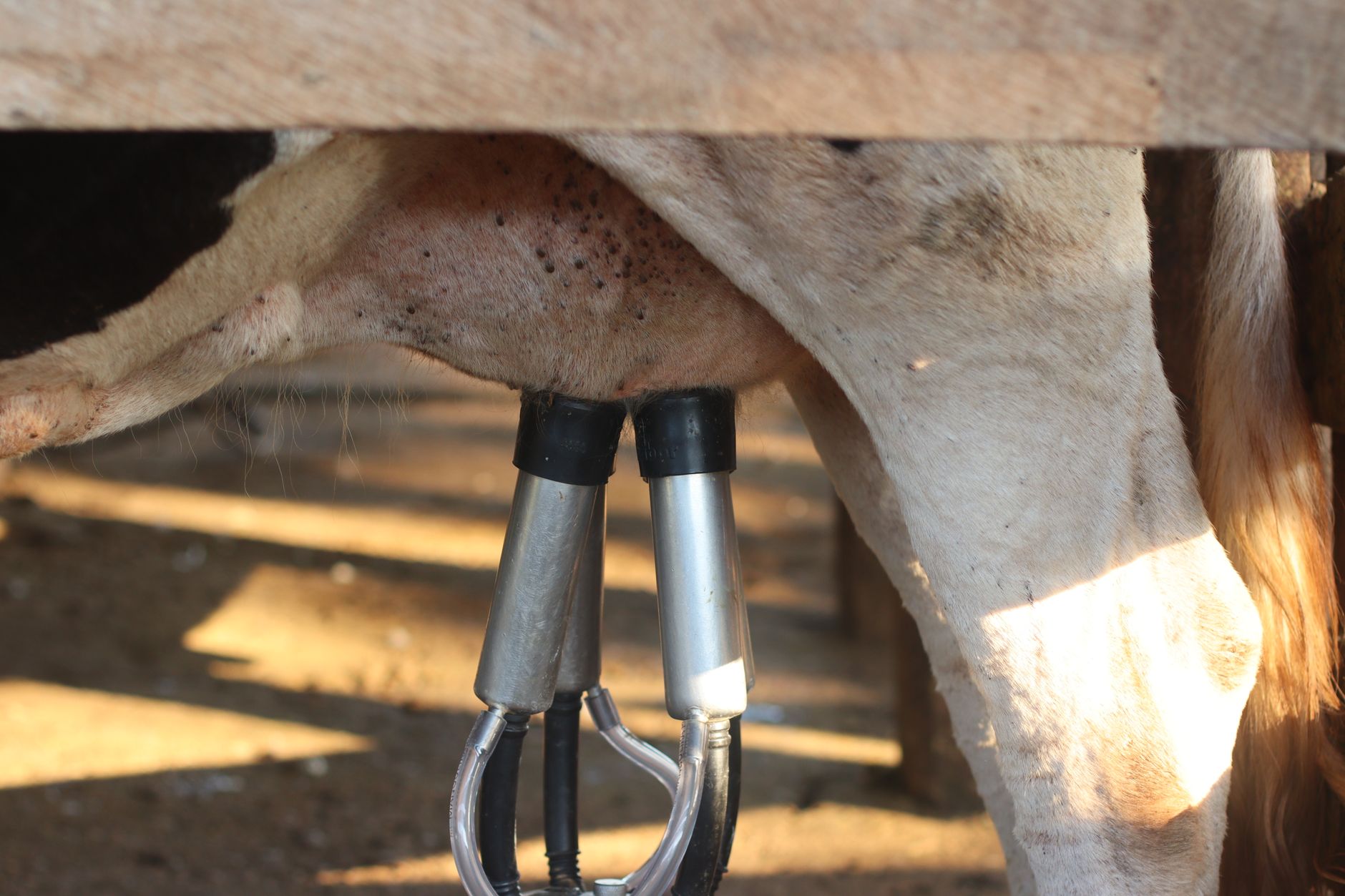
- Milking: Milking can be done by hand or using automated milking machines, which gently suction the milk from the teats. This process is done two to three times a day, ensuring that the mammal is comfortable and producing milk efficiently.
- Storage: Once collected, the milk is cooled and stored in stainless steel tanks to prevent spoilage. Keeping the milk at low temperatures (around 40°F) helps maintain its freshness.
- Testing: Before pasteurization, the milk is tested for quality and safety. This includes checking for bacteria, somatic cells, and antibiotics, ensuring that only clean milk is processed.
- Pasteurization: This crucial step involves heating the milk to kill harmful bacteria. The milk is quickly heated to at least 161°F for 15 seconds (high-temperature short-time method) and then rapidly cooled. This ensures the milk is safe for consumption and extends its shelf life.
- Homogenization: Homogenization breaks down fat molecules in milk so they remain evenly dispersed. This prevents cream from separating and rising to the top, yielding a consistent texture and flavor.
- Packaging: After pasteurization and homogenization, Milk is packaged in various containers—cartons, bottles, or pouches—designed to keep it fresh and easily accessible for consumers.
Types of Milk Available
Milk comes in many varieties, each with unique flavors and nutritional profiles. Here are some common types of milk you might encounter:
- Whole Milk: Contains about 3.25% fat and is rich and creamy.
- Skim Milk: Has less than 0.5% fat, making it lighter and lower in calories.
- Low-Fat Milk: Contains around 1-2% fat, striking a balance between flavor and health.
- Buttermilk: A tangy milk product with a lower fat content, traditionally made from the liquid left after churning butter.
- Plant-Based Milk Alternatives: Includes almond, soy, oat, and coconut milk, suitable for those with lactose intolerance or those following a vegan diet.
Utilizing Milk in Cooking and Baking
Milk is a versatile ingredient used in a wide variety of dishes, from savory to sweet. Here are some practical serving tips and ideas for incorporating milk into your meals:
- In Beverages: Use milk in coffee, tea, smoothies, or shakes to create creamy beverages.
- In Baking: Milk enhances the moisture and overall texture of baked goods like cakes, muffins, and bread.
- In Sauces: Use milk as a base for creamy sauces, like Alfredo or bechamel, to enrich the flavor and texture.
- In Soups: Add milk to soups for a creamy consistency, such as in chowders or cream soups.
- In Breakfast Dishes: Use milk to prepare oatmeal, pancakes, or French toast for a hearty morning meal.
Practical Tips for Working with Milk
When using milk in your cooking and baking, several tips can improve your results or accommodate dietary restrictions:
- Room Temperature Milk: For best results in baking, let milk come to room temperature before incorporating it into the batter, allowing for better mixing and texture.
- Substituting Milk: If you’re out of milk, you can use water or broth for savory dishes or replacement formulas for baked goods. Just keep in mind that it might change the flavor slightly.
- Storage: Store opened milk in the coldest part of the refrigerator and consume it within a week for the best quality. Always check for off odors or changes in texture before using.
Common Mistakes and Troubleshooting
While working with milk, it’s easy to make common mistakes. Here are some issues you may encounter and how to avoid them:
- Curdling: If milk curdles in recipes, it may be due to excessive heat. Always add milk gradually when heating sauces and remove them from direct heat before adding.
- Overheating: Be careful when heating milk, as it can scorch quickly. Use low to medium heat and stir frequently to prevent sticking.
- Unwanted Flavors: Improperly stored or old milk can impart off-flavors. Always check the expiry date and perform a smell test before use.
Conclusion
Understanding how milk is made gives you a deeper appreciation for its role in cooking and nutrition. By knowing the types of milk available and their various uses, you can enhance your culinary creations while enjoying this versatile ingredient.
For more tips on using milk and dairy alternatives in your cooking adventures, explore our guides on milk substitutes for heavy cream and selecting the right type of milk for your latte art.