
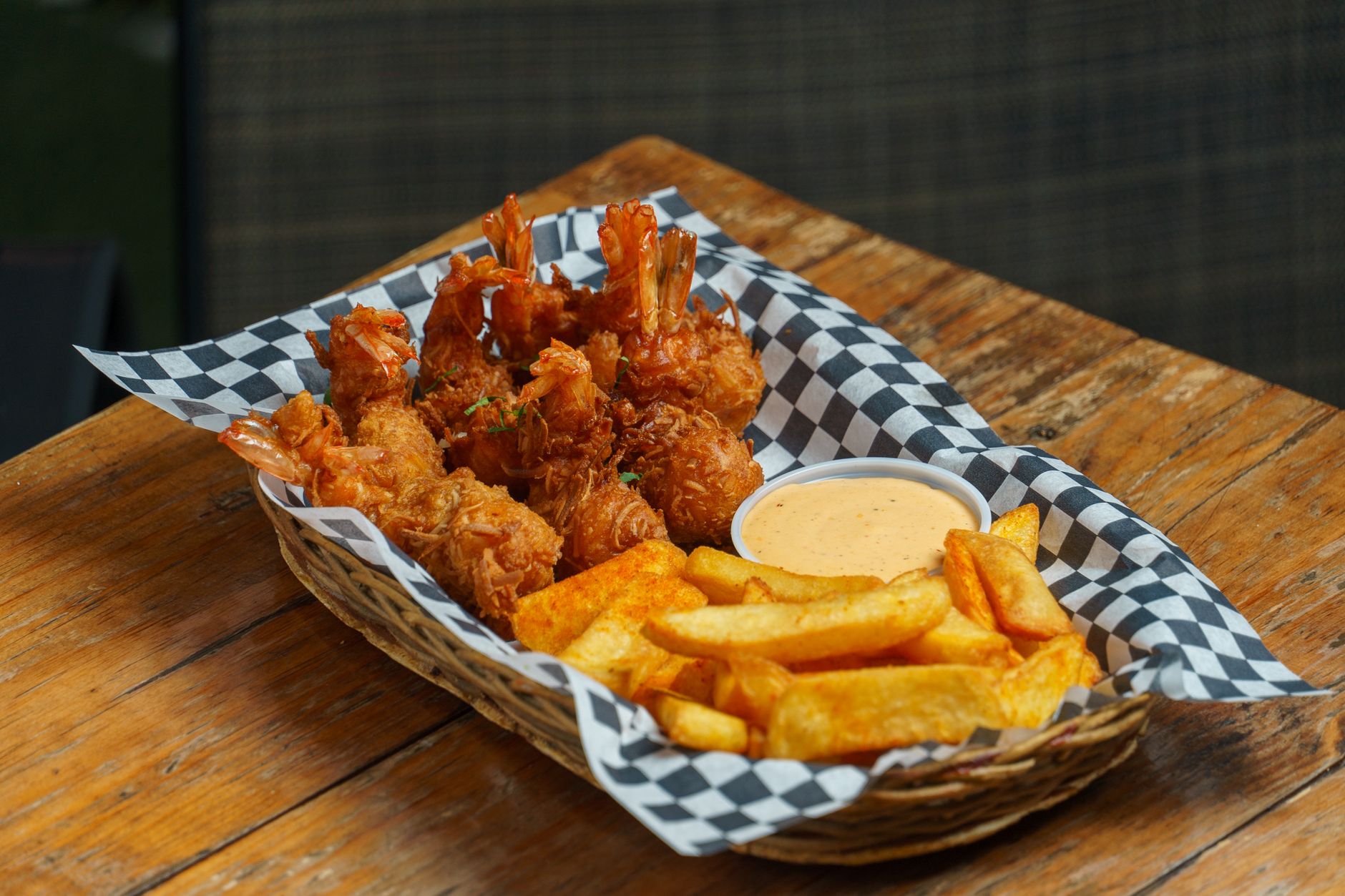
Fried shrimp is a popular dish enjoyed by many around the world. With its crispy exterior and tender interior, it offers a satisfying texture and flavor that can be quite addictive. But when considering fried shrimp for your next meal, you might wonder: is it good for you?
This article delves into the nutritional aspects of fried shrimp, recommended portions, and tips on how to enjoy it in a healthier way. Let’s explore whether this seafood delicacy fits into a balanced diet.
Is Fried Shrimp Good for You?
Fried shrimp can be tasty but is often high in calories and fat due to the frying process. While shrimp itself is a good source of protein and essential nutrients, frying can negate some of its health benefits. Moderation and preparation method are key factors in determining its healthfulness.
Nutritional Profile of Fried Shrimp
When assessing whether fried shrimp is good for you, understanding its nutritional content is essential. A standard serving size of fried shrimp (about 4 ounces or 113 grams) typically contains approximately:
- Calories: 300-400
- Protein: 18-25 grams
- Total Fat: 20-25 grams
- Saturated Fat: 3-5 grams
- Cholesterol: 180-220 mg
- Sodium: 800-1,000 mg
- Carbohydrates: 15-20 grams
- Fiber: 1-2 grams
This nutritional breakdown shows that fried shrimp is a significant source of protein; however, it can also be high in calories and sodium. The fat content primarily comes from the oil used in frying, often contributing to increased saturated fat intake.
Health Benefits of Shrimp
Despite its frying, shrimp retains several health benefits. Here are some notable advantages:
- High in Protein: Shrimp is an excellent source of high-quality protein, essential for muscle growth and repair.
- Rich in Essential Nutrients: It contains several important vitamins and minerals, including vitamin B12, selenium, and iodine, which contribute to various bodily functions.
- Low in Calories: Unbreaded or baked shrimp is relatively low in calories, making it a good choice for weight management when prepared healthily.
- Omega-3 Fatty Acids: Shrimp contains omega-3 fatty acids, beneficial for heart health and cognitive function.
Potential Health Concerns
While shrimp has health benefits, certain concerns arise when fried:
- Caloric Density: The frying process adds significant calories, which can contribute to weight gain if consumed in excess.
- Unhealthy Fats: Depending on the oil used, fried shrimp can be high in unhealthy trans fats, which can impact heart health.
- Sodium Levels: Fried shrimp can be high in sodium, especially if experienced in restaurants where additional seasoning is common, potentially leading to hypertension.
Recommended Portion Sizes for Fried Shrimp
Portion size is a crucial factor in enjoying fried shrimp healthfully. A general recommendation is to aim for a serving of 4 ounces (about 10-12 pieces), but consider the following:
- Balance with Sides: Pair fried shrimp with healthy sides, like steamed vegetables or a salad, to provide additional nutrients.
- Listen to Your Body: Pay attention to hunger cues to avoid overeating, especially if shrimp is combined with rich sauces.
- Limit Frequency: Consider enjoying fried shrimp as an occasional treat rather than a regular part of your diet.
Making Fried Shrimp Healthier
If you love fried shrimp but want to enjoy it while minimizing potential health drawbacks, consider these healthier alternatives:
Baking Instead of Frying
Baking shrimp with a light coating of breadcrumbs or panko can create a crunchy texture without the excess oil of frying. This significantly reduces the calorie and fat content.
Choosing Healthier Oils
If frying is preferred, opting for healthier oils like olive oil or avocado oil can decrease the consumption of unhealthy fats. These oils have higher smoke points and may offer beneficial nutrients.
Seasoning Wisely
Instead of reaching for salt or sodium-heavy seasoning blends, enhance the flavor of fried shrimp with herbs, spices, or citrus zest. This adds flavor without additional sodium.
Preparation Techniques
Using methods like air frying can give you the satisfaction of crispy fried shrimp with much less oil. This can cut down the overall fat and calorie count, making the dish healthier.
Common Mistakes When Cooking Fried Shrimp
When preparing fried shrimp at home, it is important to avoid these common mistakes:
- Overcrowding the Pan: Frying too many shrimp at once leads to lower cooking temperatures, which results in greasy shrimp instead of crispy ones.
- Incorrect Oil Temperature: Ensure the oil is hot enough before frying. A temperature range of 350-375°F (175-190°C) is generally ideal. Use a thermometer to check.
- Insufficient Coating: Ensure that shrimp are evenly coated in batter or breadcrumb. This provides a crispy texture and prevents sogginess.
Serving Suggestions for Fried Shrimp
Fried shrimp can be served in various delightful ways:
- As an Appetizer: Serve with dipping sauces like cocktail sauce, tartar sauce, or a spicy aioli.
- Tacos: Make shrimp tacos with fried shrimp, shredded cabbage, and a zesty slaw.
- On a Salad: Add fried shrimp to a mixed salad for added protein and flavor.
- With Grains: Serve alongside brown rice or quinoa for a well-rounded meal.
Storage and Reheating Fried Shrimp
Leftover fried shrimp can be stored for later enjoyment. Follow these guidelines for proper storage and reheating:
- Storage: Place cooled fried shrimp in an airtight container, and refrigerate for up to three days.
- Reheating: Reheat in an oven at 350°F (175°C) for about 10-15 minutes to retain crispiness. Avoid the microwave, as it can make shrimp soggy.
Conclusion
Ultimately, fried shrimp is a tasty dish that can be enjoyed in moderation within a balanced diet. By being mindful of portion sizes, preparation methods, and frequency, you can indulge without significantly compromising your dietary goals. Try healthier cooking techniques or pair with nutritious foods to enhance your meal experience.
If you’re looking for different ways to savor shrimp, consider exploring our creamy coconut shrimp recipe or a shrimp scampi recipe without wine. There’s a world of flavors ready to be uncovered!