
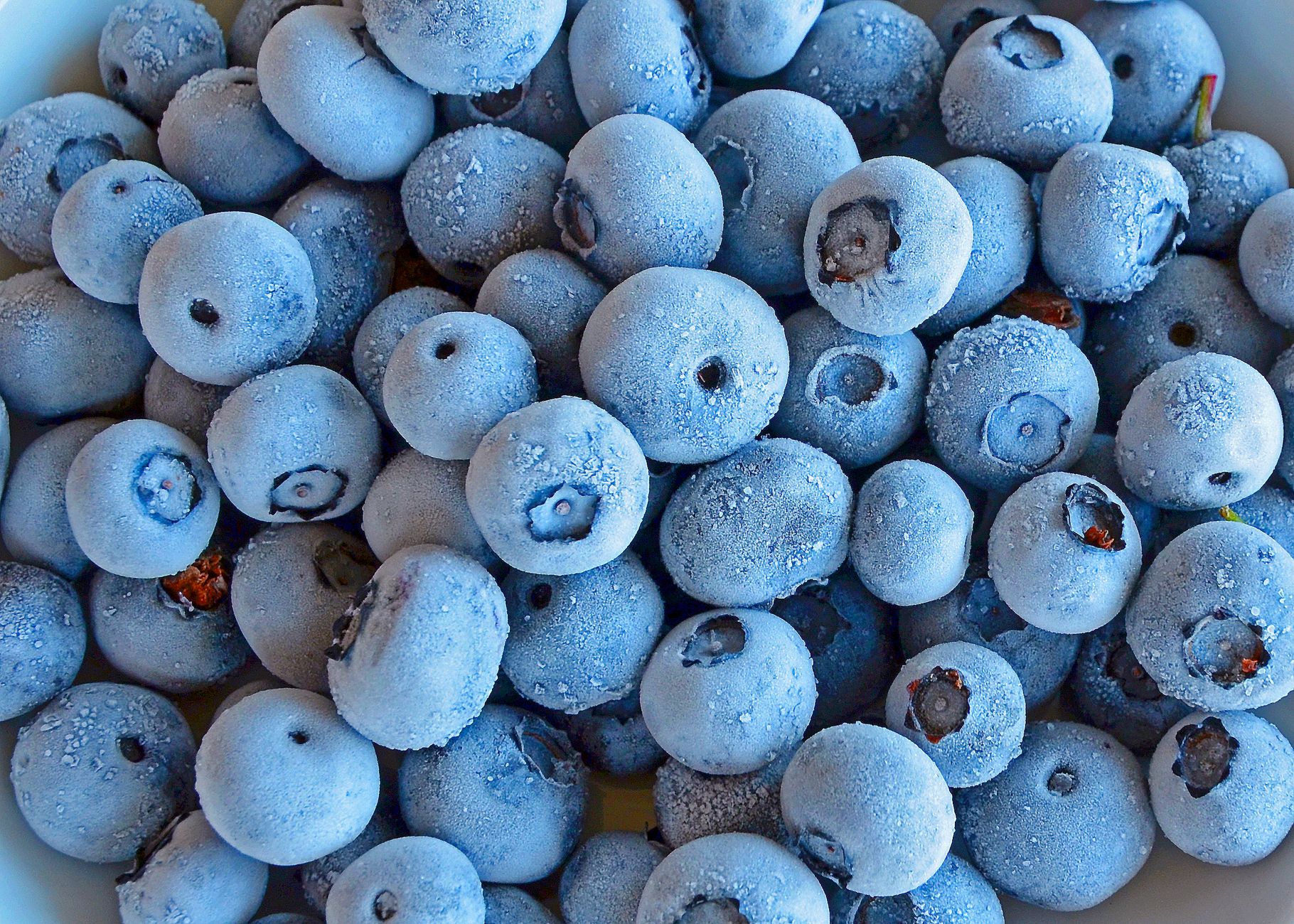
Blueberries are a delicious and nutritious snack, known for their rich flavor and numerous health benefits. Freezing blueberries is a great way to preserve their freshness while extending their shelf life. Understanding how long blueberries last in the freezer, along with proper storage methods, can help you make the most of this versatile fruit.
This guide delves into the freezing process, storage tips, shelf life, and practical uses for frozen blueberries. Whether you intend to use them in smoothies, baked goods, or as toppings, knowing how to store them correctly will ensure that they remain delicious and with optimal quality.
How Long Do Blueberries Last in the Freezer?
Frozen blueberries can last up to 6 to 12 months in the freezer when stored properly. To maintain their best quality, it is crucial to use airtight containers or resealable freezer bags to protect them from air, moisture, and odor, which can affect their taste and texture over time.
The Freezing Process: Step by Step
Freezing blueberries requires a few simple steps to ensure they maintain their flavor and nutritional value. Here’s a detailed guide on how to freeze blueberries effectively:
- Choose Fresh Blueberries: Select ripe, plump blueberries that are firm to the touch. Avoid any that are moldy, soft, or have blemishes.
- Wash the Blueberries: Rinse the blueberries gently under cold water to remove any dirt or pesticide residue. Pat them dry with a clean kitchen towel or paper towels to prevent ice crystals from forming.
- Remove Stems and Debris: As you wash the berries, check for and remove any stems, leaves, or damaged berries.
- Spread on a Baking Sheet: Arrange the washed blueberries in a single layer on a baking sheet lined with parchment paper. This step helps to freeze the berries individually, preventing them from clumping together.
- Flash Freeze: Place the baking sheet in the freezer for about 2 to 4 hours, or until the blueberries are completely frozen. This process is known as flash freezing.
- Store in Freezer Containers: Once frozen, transfer the blueberries into airtight containers or resealable freezer bags. Make sure to remove as much air as possible before sealing. Label with the date for future reference.
Storage Tips for Frozen Blueberries
To maximize the shelf life of blueberries in the freezer, consider the following storage tips:
- Use Airtight Containers: Choose containers that are specifically designed for freezing, such as heavy-duty freezer bags or plastic containers. This helps protect against freezer burn.
- Portion Control: Divide blueberries into portions that you typically use in recipes. This makes it easier to grab the amount you need without having to thaw the entire batch.
- Label Everything: Clearly label your containers or bags with the date of freezing. This encourages you to use the least old blueberries first.
- Keep Freezer Consistent: Maintain a constant freezer temperature of 0°F (-18°C) to ensure that blueberries remain safely frozen.
- Avoid Frequent Thawing: Limit the number of times you open the freezer to prevent temperature fluctuations that can cause ice crystals to form.
Identifying Signs of Spoilage
While frozen blueberries can last a long time, they may still develop issues over time. Be on the lookout for the following signs of spoilage:
- Freezer Burn: This appears as dry, white patches on the blueberries. While they are still safe to eat, they may have a compromised taste and texture.
- Off Smell: If the blueberries develop a rancid or unusual odor when thawed, it is best to discard them.
- Texture Changes: If thawed blueberries are mushy or have an off texture, it may indicate that they have been stored for too long.
How to Use Frozen Blueberries
Frozen blueberries are incredibly versatile and can be used in various recipes and dishes. Here are some practical suggestions for using them:
Smoothies
Frozen blueberries make excellent smoothie ingredients. Simply blend them directly from the freezer with yogurt, spinach, bananas, or your favorite smoothie base. They add natural sweetness and vibrant color.
Baking
Frozen blueberries can be added to baked goods such as muffins, cakes, and breads. It’s recommended to toss them lightly in flour before folding them into the batter to prevent sinking during baking.
Pancakes and Waffles
Incorporate frozen blueberries into pancake or waffle batter for a fruity twist. You can also serve them on top of pancakes or waffles with syrup for added flavor.
Oatmeal and Yogurt
Add frozen blueberries to oatmeal as it cooks or combine them with yogurt for a quick, nutritious breakfast or snack. They can be consumed directly from the freezer or thawed slightly for a softer texture.
Homemade Sauces and Jams
Transform frozen blueberries into delicious sauces or jams. Cook the blueberries with sugar and lemon juice over medium heat until they burst, creating a flavorful topping for desserts or breakfast items.
Common Mistakes to Avoid When Freezing Blueberries
To ensure quality and prevent spoilage, here are several common mistakes to avoid:
- Freezing Dirty Berries: Always wash and dry blueberries before freezing. Freezing them dirty can lead to unwanted flavors and spoilage.
- Not Using Containers: Avoid leaving blueberries unprotected in the freezer. Use airtight containers to prevent freezer burn.
- Thawing Incorrectly: Never thaw blueberries at room temperature, as this can lead to bacterial growth. Instead, thaw them in the refrigerator or microwave as needed.
- Overloading the Freezer: Avoid filling the freezer too much, as this can prevent proper air circulation. A well-managed freezer maintains a consistent temperature.
Conclusion
Blueberries are a tasty and healthy fruit that you can enjoy year-round by freezing them properly. When stored correctly in an airtight container, frozen blueberries can last up to a year, providing you with nature’s little superfood to enhance your smoothies, baked goods, and much more.
By following these storage tips, using them creatively in your cooking, and being aware of signs of spoilage, you can make the most of your frozen blueberries. Consider freezing a batch today to enjoy their delicious taste and vibrant nutrients for months to come.
For more information on blueberry storage, check out how long do blueberries last or explore our blueberry pound cake recipe.