
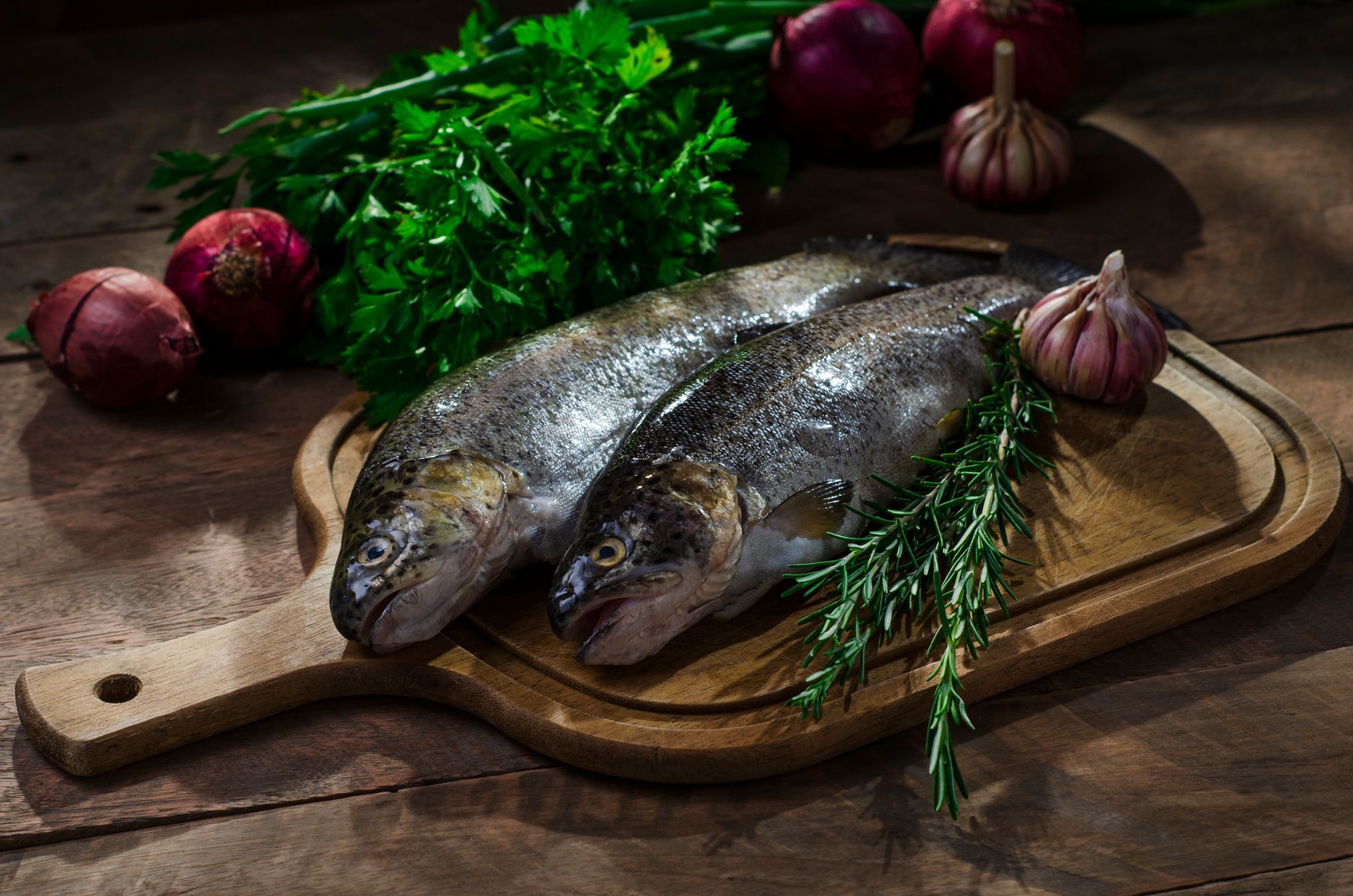
Understanding the classification of fish can sometimes be confusing, especially when it comes to distinctions between “white fish” versus other types of fish. This article aims to clarify the specifics surrounding trout, including its classification, culinary uses, and how it fits into the broader category of fish.
In particular, we will address whether trout is considered a white fish, exploring the characteristics that define white fish, culinary applications, and how trout ranks against its counterparts in flavor and texture.
Is Trout White Fish?
No, trout is not classified as white fish; it is considered a freshwater fish belonging to the Salmonidae family, which also includes salmon. White fish typically refers to ocean-dwelling fish with a mild flavor and flaky texture, such as cod, haddock, and sole. Trout, while light in color and mild in flavor, does not fit within this classification due to its distinct characteristics and habitat.
Characteristics of Trout
Trout are primarily found in freshwater environments, such as rivers, lakes, and streams. They are known for their vibrant colors and can vary significantly in size, species, and flavor. Here are some key characteristics that set trout apart:
- Species Variety: Common species include rainbow trout, brown trout, and lake trout, each with its unique flavor profile.
- Texture: Trout has a tender, flaky texture that can vary based on the specific species and cooking method.
- Color: While trout flesh can be light pink to orange (depending on the species), it is distinct from the pale white associated with white fish.
Types of Trout
There are several types of trout commonly found in both the wild and in aquaculture. Here are three of the most popular:
Rainbow Trout
Rainbow trout are often found in the western United States and are celebrated for their vibrant coloration and mild, buttery flavor. They can be prepared in a variety of ways, including grilling, baking, and pan-searing.
Brown Trout
Brown trout are known for their more robust flavor and firmer texture. They are typically found in colder waters and are also versatile in cooking, lending themselves well to smoking and roasting, enhancing their natural flavors.
Lake Trout
Lake trout are larger, often weighing several pounds. They have a rich, full flavor and are commonly cooked through grilling or broiling. Their higher fat content makes them great for dishes that require longer cooking times.
Culinary Uses for Trout
Trout is a highly versatile fish used in various culinary applications. Here are some common uses and techniques for preparing trout:
- Grilling: Whole trout or fillets can be seasoned with herbs and spices, then grilled over medium heat, providing a smoky flavor.
- Baking: Baking trout with lemon and herbs sealed in parchment or foil creates a moist, flavorful dish.
- Pan-Frying: Fillets are coated in flour or breadcrumbs and sautéed until crispy, making for a lovely main dish.
- Smoking: The rich flavor of trout becomes even more pronounced when smoked, adding depth to the fish’s natural taste.
- Salads and Pâtés: Cooked trout can be incorporated into salads or made into pâté, providing a nutritious and flavorful option.
How to Cook Trout
Cooking trout can be simple and satisfying. Below is a basic guide on how to prepare grilled trout for a delightful dining experience.
Grilled Trout Recipe
This grilled trout is a perfect way to showcase the delicate flavor of the fish. It serves as an excellent main course for any occasion.
Yield: 4 servings
Preparation Time: 10 minutes
Cooking Time: 15 minutes
Total Time: 25 minutes
Ingredients
- 4 whole trout, cleaned and scaled
- 2 lemons, sliced
- 4 sprigs of fresh parsley or dill
- 3 tablespoons of olive oil
- Salt and pepper to taste
Essential Equipment
- Grill or grill pan
- Basting brush
- Fish spatula
- Meat thermometer (optional)
Method
- Preheat the grill to medium heat (about 350°F).
- Rinse the trout under cold water and pat dry with a paper towel.
- Brush both sides of the fish with olive oil.
- Season the inside of each trout with salt and pepper, then stuff with a few slices of lemon and a sprig of parsley or dill.
- Place the trout on the grill and cook for 5 to 7 minutes per side, depending on the thickness of the fish.
- The fish is done when it flakes easily with a fork or the internal temperature reaches 145°F.
- Remove from the grill, let it rest for a few minutes, then serve with additional lemon slices.
Flavor and Texture Comparisons
While both trout and other white fish share a mild flavor, the nuances in taste can appeal to different palates. Here’s how trout compares to typical white fish like cod and tilapia:
- Flavor: Trout has a somewhat richer flavor due to its higher fat content, while white fish tends to have a more neutral taste that readily absorbs accompanying flavors.
- Texture: Trout is often more tender and flaky, especially when cooked properly, whereas white fish can be firmer.
- Cooking Methods: Trout’s unique flavor is well-suited for grilling and smoking, allowing for complexity, while white fish often lends itself to more understated preparations.
Substitutions for Trout
If you find yourself in need of a trout alternative, several other fish can work well in recipes calling specifically for trout:
- Sole: A very mild flavor and delicate texture, it’s an excellent substitute for recipes requiring pan-searing or baking.
- Cod: With a firmer texture, cod can handle grilling and frying well, providing a more robust option.
- Salmon: While richer and fattier, salmon can provide a similar flavor profile in recipes that benefit from a more intense taste.
Common Mistakes When Cooking Trout
To ensure the best results, avoid these common pitfalls when preparing trout:
- Overcooking: Trout can become dry if overcooked. Watch carefully and remove from heat when it flakes easily.
- Insufficient seasoning: Due to its mild nature, failing to season properly can lead to bland results.
- Ignoring bone removal: Ensure to check for pin bones in fillets; removing them enhances the dining experience.
Storage and Reheating Tips
Storing and reheating trout properly can help maintain its flavor and texture:
- Storage: Store cooked trout in an airtight container in the refrigerator for up to 3 days.
- Freezing: For longer storage, trout can be frozen (uncooked or cooked) for up to 6 months.
- Reheating: Reheat trout in the oven at a low temperature (around 275°F) until warmed through, to prevent it from drying out.
Trout in Cuisine Around the World
Trout occupies a unique position in various cuisines around the globe, often reflecting local culinary traditions. Here are a few notable examples:
- North America: Trout is prevalent in American dishes, often featured in outdoor cooking events or community fish fries.
- Europe: In countries like France, trout is often prepared en papillote, or baked in parchment, enhancing its delicate flavors.
- Asia: Certain Asian cuisines incorporate trout into sushi and sashimi preparations, showcasing its freshness and texture.
Nutritional Benefits of Trout
Trout is not just delicious; it’s also packed with nutrients. Here are some health benefits associated with consuming trout:
- Omega-3 Fatty Acids: Trout is rich in omega-3s, beneficial for heart and brain health.
- High-Quality Protein: It provides a high-quality protein source, essential for muscle repair and overall health.
- Vitamins and Minerals: Trout contains essential vitamins such as B12 and D, as well as minerals like potassium and selenium.
Conclusion
While trout might be similar to white fish in many aspects, it stands out with its unique flavor, cooking versatility, and nutritional benefits. With a variety of preparation methods and serving ideas, trout can easily become a favored option on your dinner table. To fully experience its culinary potential, consider trying different preparations or pairing it with various sides.
For those interested in expanding their fish repertoire, explore a delicious steelhead trout recipe or delve into the world of walleye fish with fresh and healthful cooking techniques.